Historic Fire Management Techniques Unearthed Through Tree Ring Study
Long before modern methods of fire management were conceived, Indigenous peoples in North America had already developed sophisticated techniques to manage wildfires. A recent study involving the University of Arizona and other institutions, reveals how the Western Apache utilized controlled burns to reduce wildfire risks.
According to Tom Swetnam, a researcher from the University of Arizona, the suppression of Indigenous burning practices over the past century has led to significant vegetation buildup in areas like Arizona. Swetnam noted, “The forestry and government stopped the Native American people from burning, and they’ve been putting fire out for 100 years. So most landscapes in Arizona have not had a fire for over 100 years. So now they’re [the U.S.] starting to put fire, to use fire, controlled fire where they can.”
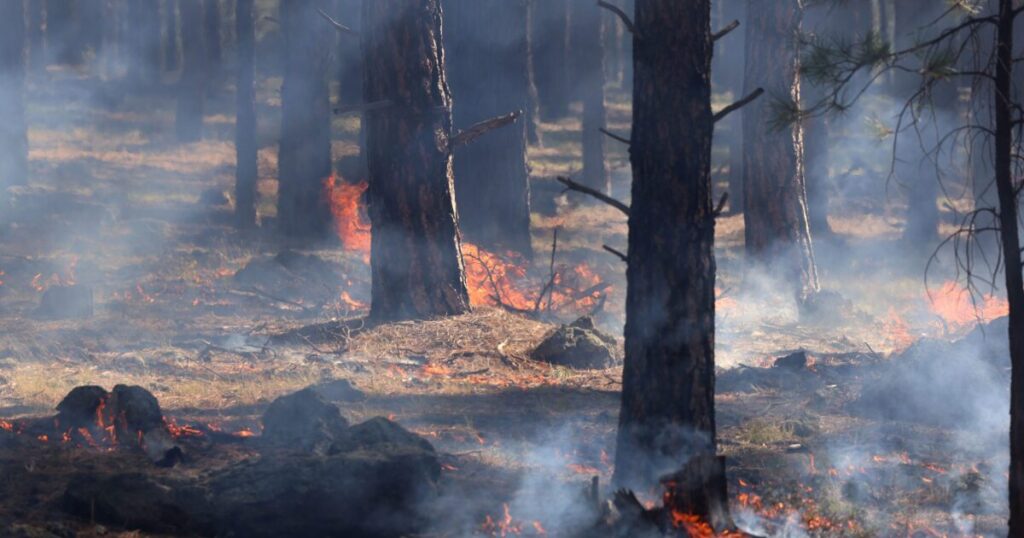
The research supports oral histories that the Western Apache implemented frequent, small fires as a means to control wildfire risks effectively. These burns were frequent enough to weaken the link between dry, hot conditions and wildfire outbreaks. Notably, smaller fires proved more efficient in managing combustible materials.
Swetnam emphasized that the Western Apache’s methods likely enhanced forest resilience against drought and reduced the occurrence of high-intensity fires currently observed. However, he noted that today’s prescribed burns have not yet reached the historical frequency once practiced.
Future research plans include examining fire management practices among other Indigenous tribes. Swetnam stated, “I think as we expand both our tree ring fire history and other paleo, long time fire history studies, and talk to Native people and collaborate with Native people, Indigenous people — on what they know and understand about fire — we’ll learn that the story is more complicated.”
He anticipates discovering varied strategies across different tribes, as diverse ecological and cultural backgrounds likely influenced the use of fire. “When you look at the history of ecology and landscapes and the history of people, it’s not all the same everywhere. Not every tribe probably used fire the same way. And so there’s going to be different stories that come out of studies elsewhere in the Southwest,” Swetnam explained.
—
Read More Arizona News