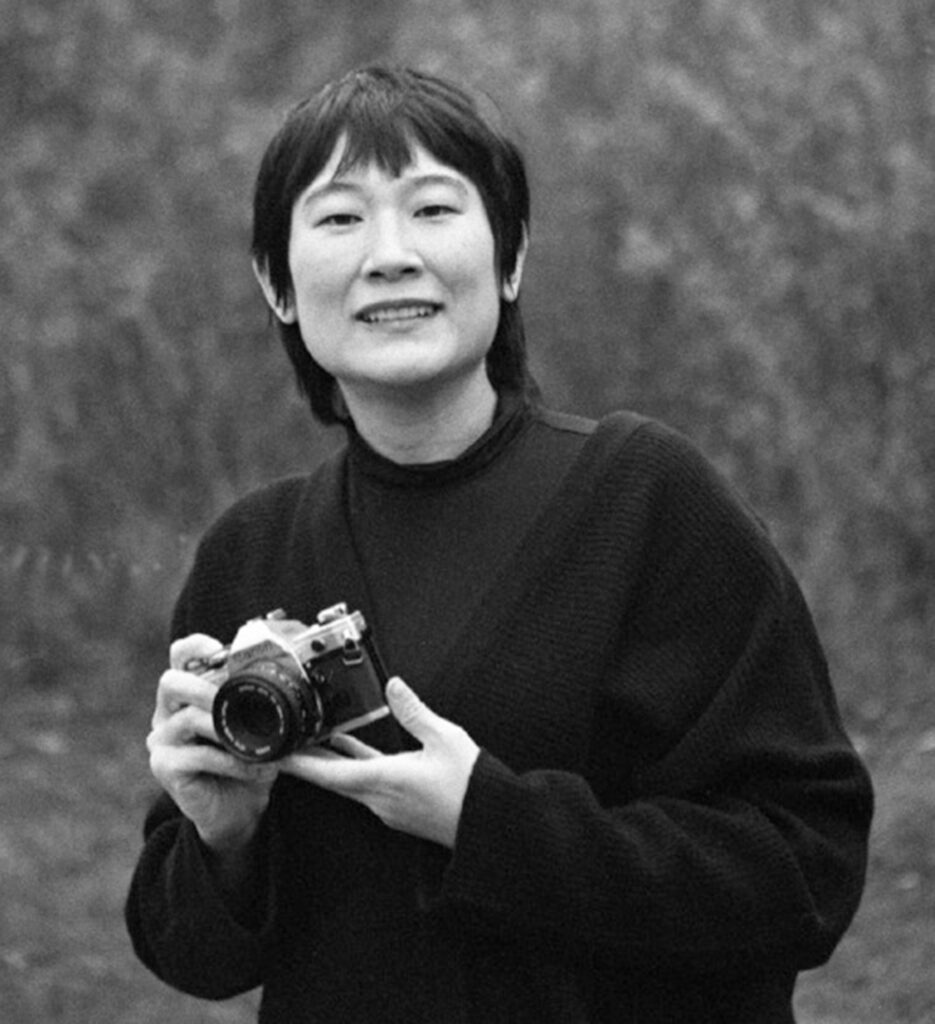
Angela Chen’s latest venture, “After School,” combines a memoir and an art installation, delving into her upbringing in a buxiban, commonly known as a cram school. This project reveals the lesser-known realities of Asian diasporic family life in America. Chen, an assistant professor at the Penny W. Stamps School of Art & Design, seeks to humanize the immigrant experience amid growing anti-immigrant rhetoric. By connecting her personal narrative with historical events, she draws parallels to the Chinese Exclusion Act of 1882.

Chen highlights the first U.S. requirement for photo ID cards for Chinese immigrants, resembling mugshots, to underline immigrant struggles. Her work aims to counter this dehumanization through storytelling. “After School” offers insights into the buxiban culture, characterized by its focus on academic excellence, while portraying its dual nature as both oppressive and formative.
Growing up after school
In “After School,” Chen reflects on her childhood spent at Futurelink School, her family’s buxiban in California’s San Gabriel Valley during the 1990s. Amid waves of Asian immigrants, Futurelink provided academic support and affordable childcare for immigrant families. Beyond academics, it taught discipline and survival in an uncertain cultural landscape. Chen recalls tutoring pupils from a young age, as her entire family supported the business.
Her passion for photography emerged while working at the center during the 2008 recession. A class at Pasadena City College offered a creative escape from daily stresses and sparked her artistic journey.
Developing memories
Chen’s “After School” book and exhibition, showcased at Counterpath in Denver, use photography to link past and present immigrant experiences. By juxtaposing images from Futurelink with historic Chinese schools, she explores themes of educational striving and societal suspicion. The exhibition features a human-shaped grappling dummy in a Futurelink T-shirt, referencing both family memories and historical mugshots.
One photo assemblage on a blackboard displays the text of a California State Assembly bill that enforced segregated schools for Chinese children, highlighting ongoing challenges of belonging for Asian Americans. Chen’s book, formatted like Futurelink workbooks, combines her narrative with archival photos, logos, and documents, inviting readers to engage with the material creatively.
Nuance and Insight
Chen’s project captures the nuanced reality of buxibans and their impact on lifelong learning. She emphasizes that each tutoring center is unique, shaped by its ethos, while acknowledging the intense focus on perfection during her upbringing. “After School” offers insights to her past self and former students, encouraging them to pursue their passions beyond the confines of cram school curricula.

For more about Chen’s book and exhibition, visit angelachen.info/After-School-WIP.
—
Read More Michigan News