Detroit has made history with the election of Mary Sheffield as its first female and Black woman mayor. Sheffield, who is the 76th person to assume this role, steps into office during Black History Month, a fitting time to celebrate her groundbreaking achievement. Michigan Public’s Morning Edition is seizing this opportunity to spotlight other trailblazing Black women in the political sphere of Michigan.
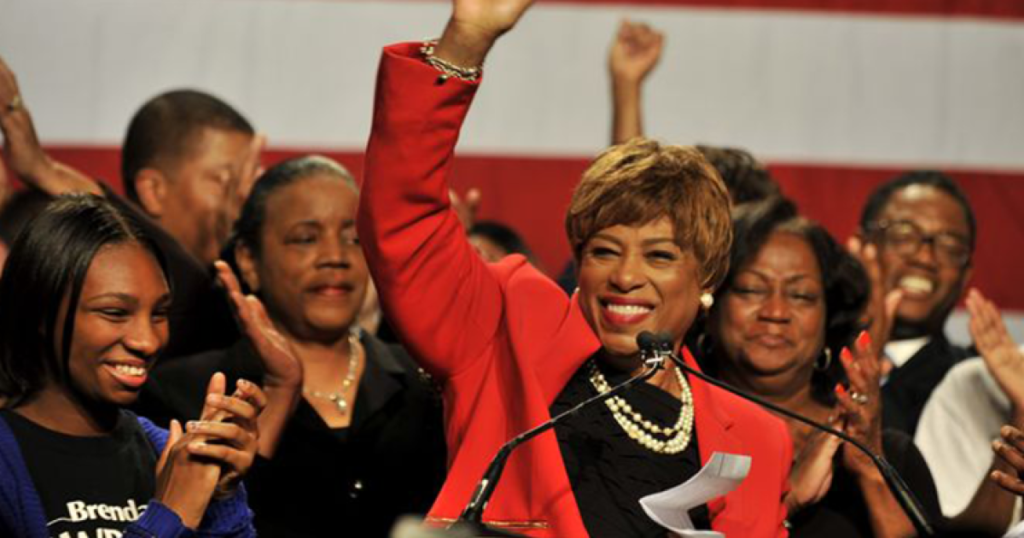
Among these pioneering figures is Brenda Lawrence, who in 2001 became the first Black mayor of Southfield. Lawrence later served as a congressional representative for Michigan over an eight-year period.
In a conversation with Morning Edition host Doug Tribou, Lawrence shared insights from her political journey.
Doug Tribou: Reflecting on your initial campaign and early days as Southfield’s mayor in 2001, what memories stand out for you?
Brenda Lawrence: I vividly remember visiting a school where a young girl approached me with curiosity. She asked, “You’re the mayor?” to which I replied, “Yes, I’m the mayor.” Her response was, “Then I can be mayor, too.” I encouraged her, saying, “Yes, you can, and you will even do better. I hope you’ll be the first president Black woman of this country.”
The significance of being the first is profound. It breaks barriers for those who might not see themselves in leadership roles, and Mary Sheffield’s election inspires future generations to believe in their potential.
Courtesy of Brenda Lawrence
DT: Your career began at the U.S. Postal Service, a unique path for a politician. What motivated your transition to politics?
BL: My grandmother instilled in me a sense of duty to my community. As a letter carrier, I engaged deeply with the community, hearing their stories and challenges. This connection fueled my involvement in politics, starting with the school board, driven by my children’s education and community service.
DT: During your congressional tenure, you were the sole Michigan representative on the House Appropriations Committee. Given the lack of Black representation in Congress from Detroit, a majority Black city, what are your thoughts on representation?
BL: While in Congress, I represented diverse communities, and the key is ensuring inclusivity in advocacy. If a representative isn’t present in crucial caucuses and committees, constituents must seek change. “If you look at your representative and you don’t see your representative in those caucuses and in those committees where it’s directly tied to your needs … you need to pick someone else.”
DT: Any advice for Mayor Sheffield and aspiring politicians?
BL: As a trailblazer, scrutiny and expectations are heightened. Mistakes are amplified, but it’s crucial to remain steadfast. Women in politics face unique criticisms, particularly regarding appearance, but these should be disregarded. I have confidence in Mayor Sheffield’s leadership and eagerly anticipate her impact.
Editor’s note: Some quotes in this article have been lightly edited for length and clarity. You can listen to the full conversation at the top of this page.
—
Read More Michigan News