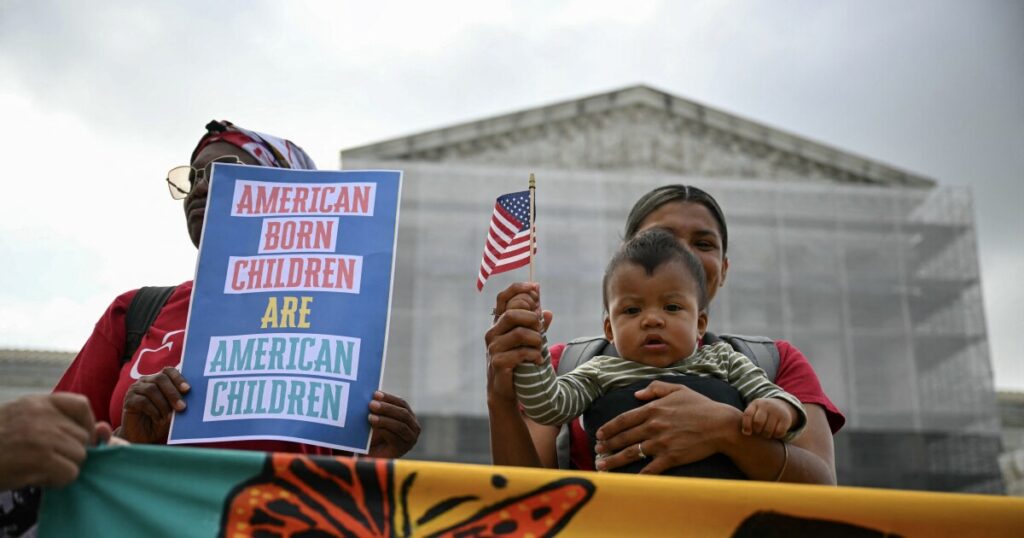
As the debate over birthright citizenship intensifies, Bruce Lesley, president of First Focus on Children, emphasizes a perspective he believes is often ignored: the impact on newborns. “It’s in the words: ‘birth’ right citizenship — this is about babies,” Lesley asserts.
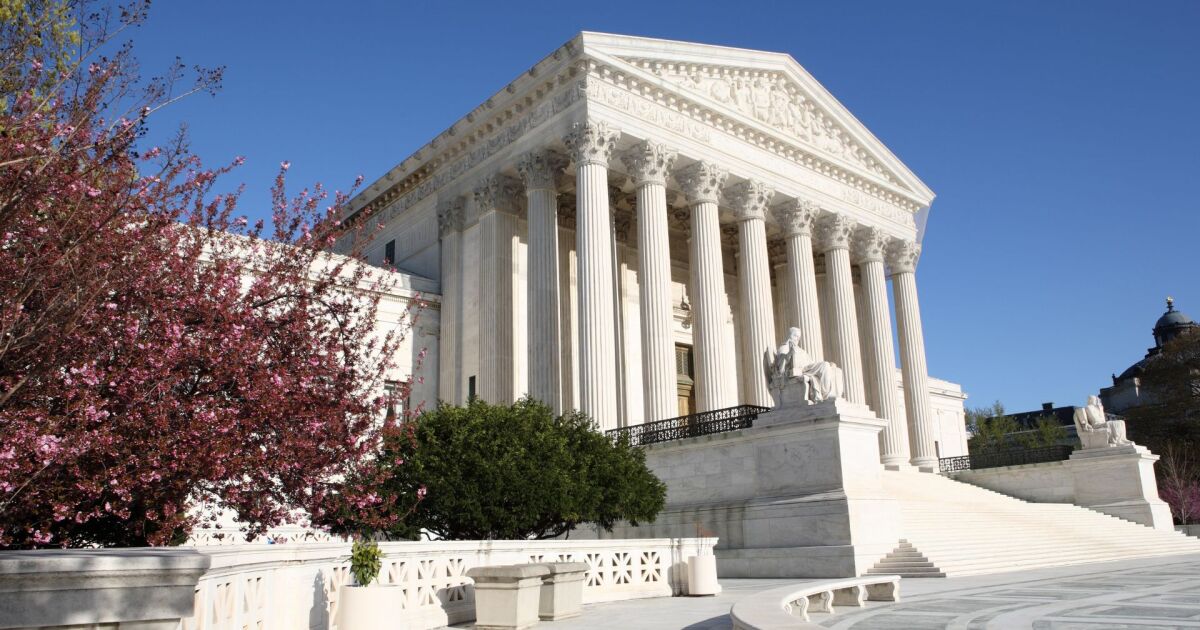
The issue is currently under scrutiny as the Supreme Court prepares to hear the Trump v. Barbara case. Lesley’s organization, a bipartisan advocacy group, has submitted an amicus brief outlining the potential consequences for infants.
In recent congressional hearings, the focus was largely on administrative and political angles, a point Lesley finds troubling. “The word ‘child’ does not cross their lips,” he says, arguing that the implications for every baby born in America are significant.
Understanding Birthright Citizenship
Established by the 14th Amendment in 1868, birthright citizenship assures that children born in the United States are automatically granted citizenship, along with access to essential services. President Trump’s executive order, aimed at restricting this right, has been blocked by the courts so far. However, the debate continues, with potential changes looming.
Currently, pregnant women, regardless of immigration status, can access Medicaid in many states, helping ensure a healthy start for newborns. Medicaid covers 40% of U.S. births, but the country still faces higher maternal and infant mortality rates than many peers.
In 2023 alone, an estimated 300,000 babies were born to parents without legal status. Any change to birthright citizenship would complicate the process for all families, requiring them to prove citizenship in a currently non-existent bureaucratic framework. With roughly 3.6 million babies born in the U.S. annually, this could have a widespread impact.
Lesley highlights the busy early weeks for new parents, filled with medical visits and essential paperwork, including obtaining a Social Security number for their newborn. This number is vital for enrolling in health insurance and other support programs. Without birthright citizenship, the burden on parents and healthcare systems could increase significantly.
Challenges in Proving Citizenship
Should birthright citizenship be overturned, parents would face the challenge of proving their baby’s citizenship status to secure vital support services. Lesley warns of potential disruptions in care, noting the uncertainty in babies’ access to Medicaid, SNAP, WIC, and other essential programs.
Hannah Steinberg, a staff attorney at the ACLU Immigrant Rights Project, notes potential complications in documenting citizenship, particularly for babies with unknown parentage. “The law actually says that these children are U.S. citizens, but this executive order just completely strips that away,” she explains, highlighting the need for systemic procedures based on birthright citizenship.
Moreover, Lesley points out that families with diverse parental circumstances, such as same-sex couples or those using assisted reproductive technologies, might face challenges in establishing their baby’s citizenship.
Impact on Maternal and Infant Health
Arturo Vargas Bustamante from UCLA’s Latino Policy and Politics Institute underscores the health implications of the debate, noting that fear of immigration policies can deter parents from seeking prenatal care. This lack of care can lead to adverse outcomes like low birth weight, with lasting impacts on children’s health.
He emphasizes the particular vulnerability of Latino families, as “75% of children of noncitizen parents are Latino,” according to a policy brief he authored, stressing the broader health and social consequences of ending birthright citizenship.
Copyright 2026 NPR
—
Read More Michigan News