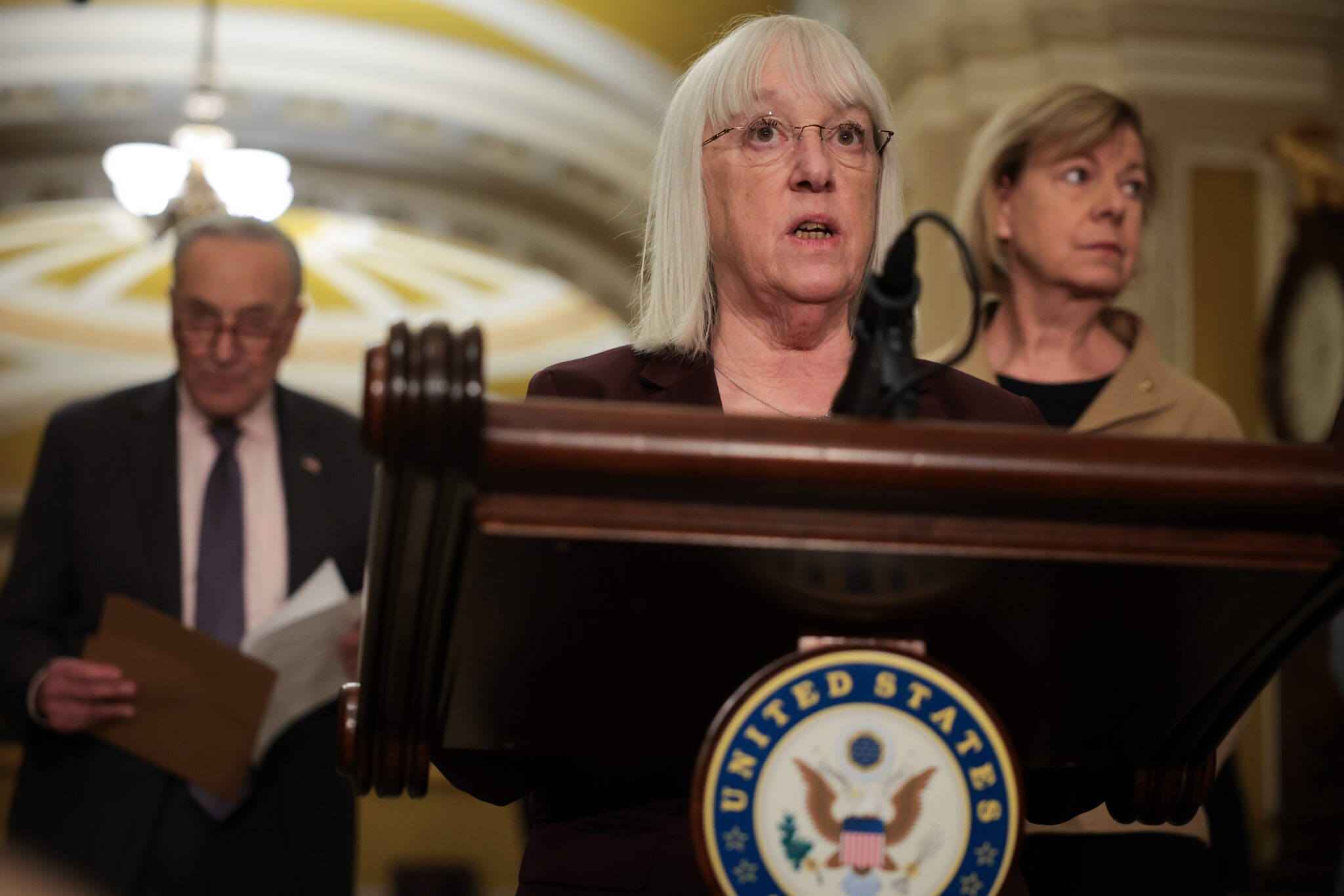
In a move to regulate the appointment of temporary immigration judges, Democrats have proposed new legislation targeting recent practices under the Trump administration. This initiative, led by Sen. Adam Schiff and Rep. Juan Vargas from California, seeks to ensure that only qualified individuals with specific legal backgrounds can serve as temporary judges.
The proposed bill would allow the attorney general to appoint temporary immigration judges with prior experience on appellate panels, within other administrative agencies, or with a decade of experience in immigration law. This aims to counter the administration’s strategy of employing up to 600 military lawyers in these roles by removing the necessity for immigration law expertise.
These legislative efforts follow the recent dismissal of at least 14 experienced immigration judges, part of a larger pattern of over 90 terminations this year alone, as reported by NPR and the immigration judges’ union. The administration’s actions have prompted concern over the implications for the U.S. judicial system, as expressed by Schiff: “The Trump administration’s willingness to fire experienced judges and hire inexperienced or temporary ‘deportation judges,’ especially in places like California, has fundamentally impacted the landscape of our justice system.”
Challenges in Immigration Courts
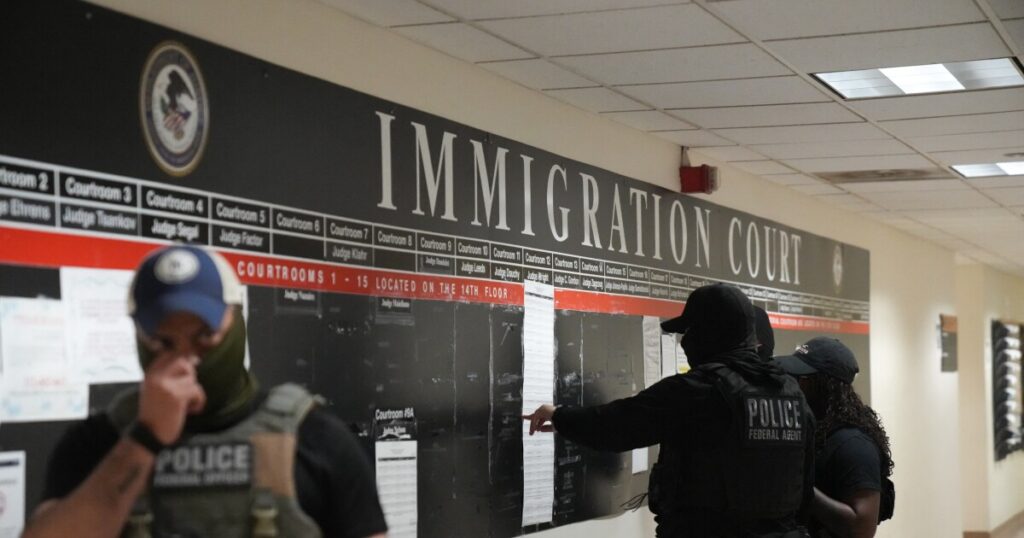
The administration’s dismissal of judges coincides with efforts to reshape immigration courts, which are managed by the Justice Department. Some judges, including those with years of experience, have been abruptly terminated, raising questions about the criteria for these decisions. Jeremiah Johnson, a judge in San Francisco since 2017, shared his experience of being unexpectedly let go despite a consistent record of performance and recent increased responsibilities. “I was doing my job. I was there hearing cases, moving things along,” Johnson stated.
The Executive Office for Immigration Review argues that their decisions are based on factors such as conduct, adherence to the law, and professionalism. However, some judges have pursued legal action, claiming their terminations may have been due to protected attributes like nationality or gender.
Expanding the Ranks of Temporary Judges
To address the growing backlog of immigration cases, the administration has added new judges, including 25 temporary ones, and initiated a hiring campaign for “deportation” judges. This effort includes financial incentives for roles in courts across New York, California, and Massachusetts, where recent firings have reduced staffing levels.
The backlog remains a pressing issue, with cases now being scheduled as far out as 2030. Kathryn Mattingly, spokesperson for the Executive Office for Immigration Review, emphasized their commitment to improving operational efficiency to ensure timely justice.
—NPR’s Anusha Mathur contributed to this report.
Copyright 2025 NPR
—
Read More Michigan News