Changes to Detroit Development Project Reduce Affordable Housing
A significant development initiative in downtown Detroit may feature fewer affordable housing options following a new arrangement sanctioned by a state board on Tuesday.
This decision pertains to one of the properties within the expansive District Detroit, located near the Little Caesars Arena, home to the Pistons and Red Wings. In 2023, the state consented to reimburse the project approximately $615 million under the Transformational Brownfield Program, contingent on fulfilling specific criteria.
The initial arrangement required the mixed-use property to incorporate a certain percentage of affordable housing units, with reimbursements sourced from the income taxes of workers employed at the site.
The revised plan adjusts the reimbursement funding mechanism to reflect the reduction in affordable housing units. Michele Wildman, the Michigan Economic Development Corporation’s chief place officer, explained this was necessary for financial feasibility. “The development partners, together with the other partners that were in the broader project, have concluded that the affordability within this building will go away in order to best meet the needs of the strategy,” Wildman stated.
Supporters of the modification, including city officials, continue to endorse the project, with other components of the wider District Detroit deal remaining intact. According to a briefing to the MSF Board, a decline in the office space market also influenced the decision.
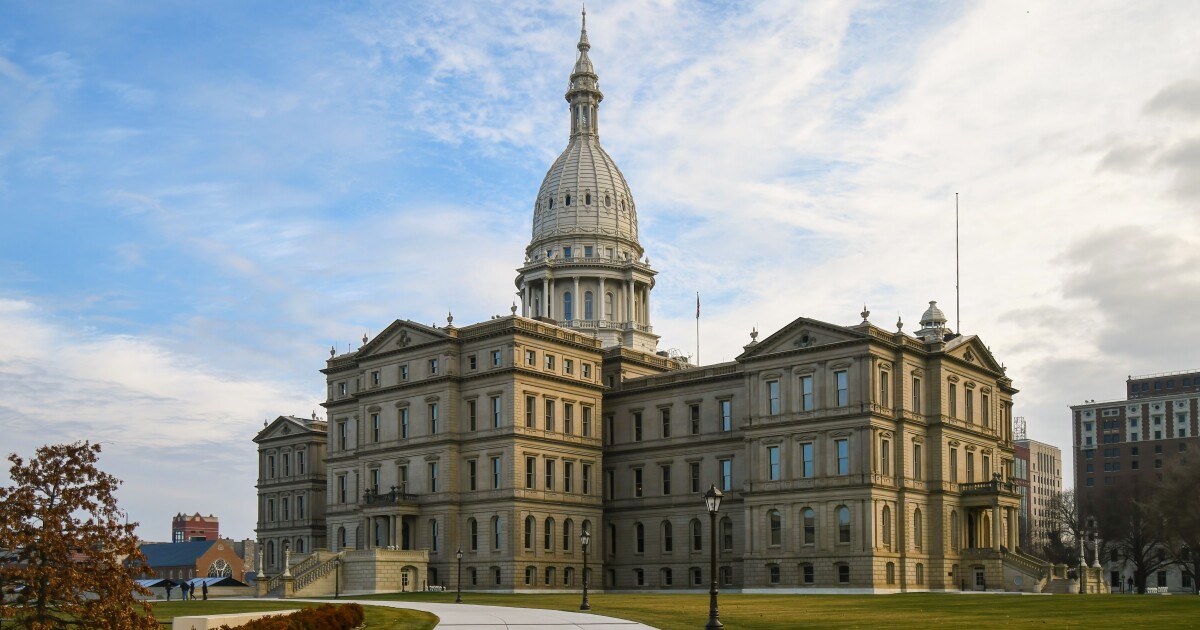
In other developments, the MSF Board approved additional project reimbursements for a downtown endeavor in Lansing, Michigan’s capital. This project, with a total cost of about $316.7 million, will allow developers to recover approximately $202 million, with local and school property taxes covering about half of these reimbursements.
Despite the substantial state investment, briefing documents reveal a projected return of less than 1% for the developer. Quentin Messer Jr., CEO of the Michigan Economic Development Corporation, remarked on the nature of the brownfield program, which supports such high-risk investments. “What you’re seeing is a development team that’s willing to take a bet. Obviously, it may not generate blockbuster returns, but there is a belief that there are other positive exogenous benefits that we want to come alongside as a state to make that happen,” Messer commented.
The Lansing project is anticipated to introduce over 550 new housing units to the area.
—
Read More Michigan News