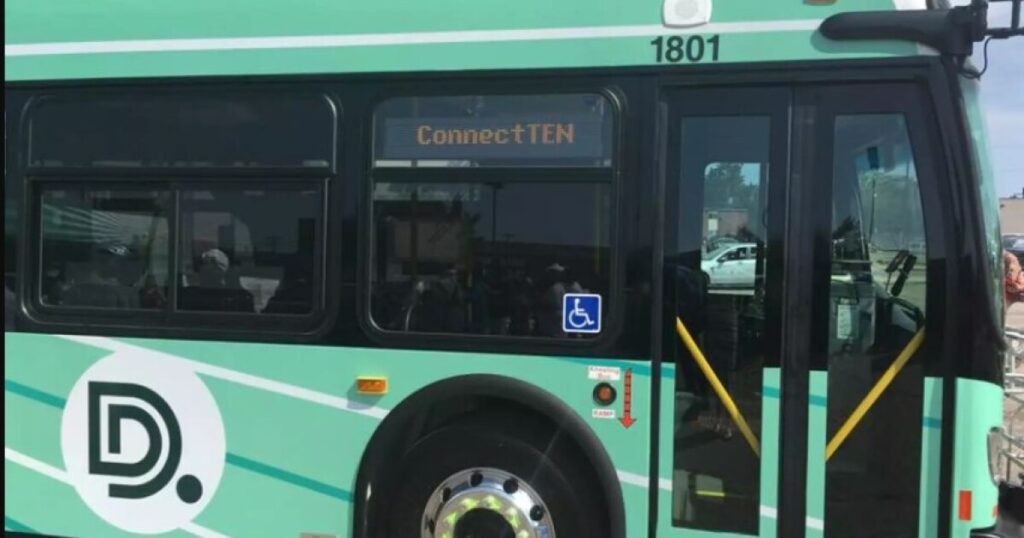
Detroit Students Gain Free Access to City Buses Through New Initiative
Following a recent decision by the Detroit City Council, students in Detroit can now enjoy free rides on city buses, thanks to the new Ride and Rise program. The initiative, which began on April 1, requires students to present their identification for access.
Robert Cramer, who leads the Detroit Department of Transportation, emphasized at the council meeting that this 180-day pilot project aims to enhance transit services for students and their families. “This is an opportunity for us under Mayor Sheffield’s leadership to learn more about how transit and DDOT in particular can work more effectively for students and their families, not only when it comes to attendance at school, but also thinking about afterschool programs,” Cramer stated.
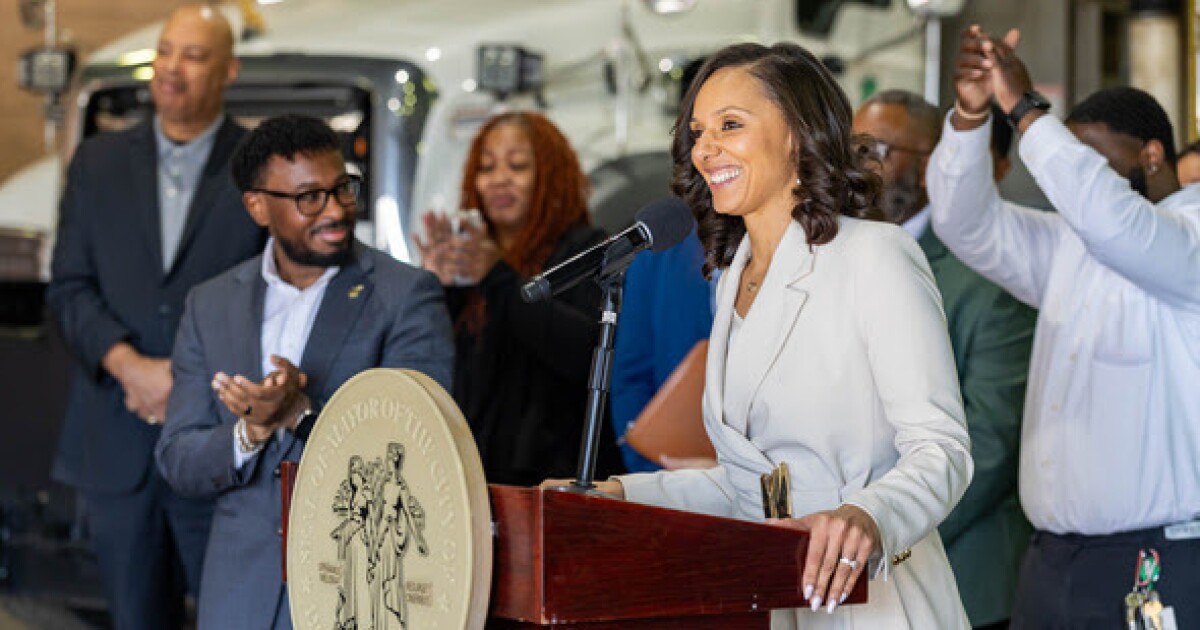
In her inaugural state of the city address, Mayor Mary Sheffield highlighted the program’s objective to combat chronic absenteeism and boost student transportation options. “We’ve also reached an agreement in principle with the board and the superintendent so that the money currently spent on bus fare for students would now go towards much needed after school programs,” Sheffield explained.
Insights from a report by the Detroit Partnership for Education Equity & Research indicate that nearly 30% of Detroit families lack consistent transportation for school, and approximately a third do not own a car.
The Department of Transportation plans to collaborate with educational institutions, including the Detroit Public Schools Community District, to monitor absenteeism trends resulting from the program’s implementation. To enhance safety, adults may accompany students on specific routes, particularly where safety concerns have been noted.
While acknowledging the impracticality of placing adults on every bus route, Cramer mentioned that data from DPSCD and other schools is being used to identify common student travel patterns. Additionally, the Detroit Police Department contributes to security efforts at transit hubs and along transit routes.
Should the program prove successful and seek continuation beyond its initial six-month phase, it would necessitate a formal ordinance amendment and a fairness analysis in collaboration with the Federal Transit Administration.
—
Read More Michigan News