Detroit’s Strategy for Eliminating Vacant Homes: A Look at Mayor Duggan’s Legacy
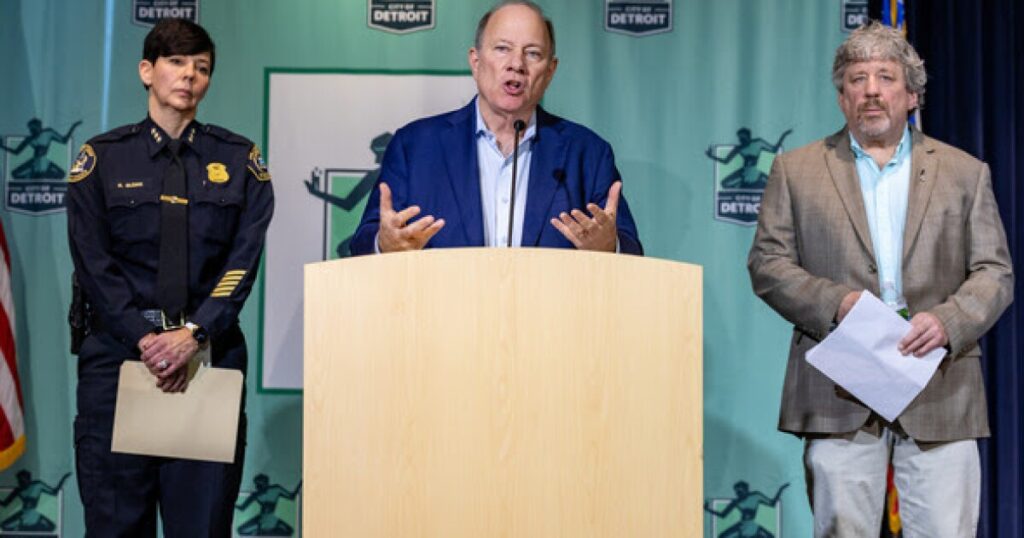
Detroit’s landscape has undergone a significant transformation under Mayor Mike Duggan’s leadership, with a robust initiative to address the city’s vacant homes. As Duggan prepares to leave office, he highlights the successes of this ambitious program.
Back in 2014, the Detroit land bank held approximately 47,000 abandoned homes. Today, fewer than 1,000 remain. Over the past twelve years, the city has demolished around 27,000 vacant structures and sold nearly 19,000 to developers for rehabilitation. Officials anticipate the land bank’s inventory to be clear by 2026.
The extensive program, exceeding $500 million, was primarily funded through federal Hardest Hit Funds—an initiative targeting states most affected by the 2007-2008 subprime mortgage crisis. The remaining costs were supported by a voter-approved bond measure known as Proposal N.
Duggan praised the effort as a “historically successful blight removal effort,” asserting that it has improved numerous neighborhoods and contributed to crime reduction and increased property values for Detroit residents.
Despite its achievements, the program faced controversies and was marred by several scandals, including the misuse of contaminated soil at demolition sites. Duggan assured residents that the city has resolved these issues and pursued penalties against the responsible contractors.
“As we have for the last 12 years, we will test every single site with suspected contaminated backfill, we will immediately remove any soil found unacceptable, and we will pursue reimbursement from the responsible contractor,” Duggan stated. “We successfully closed out the Hardest Hit Fund program in this manner and Proposal N will be closed out the same way.”
As his tenure as mayor concludes, Duggan is now turning his focus to a new political ambition: running for Michigan governor as an Independent.
—
Read More Michigan News