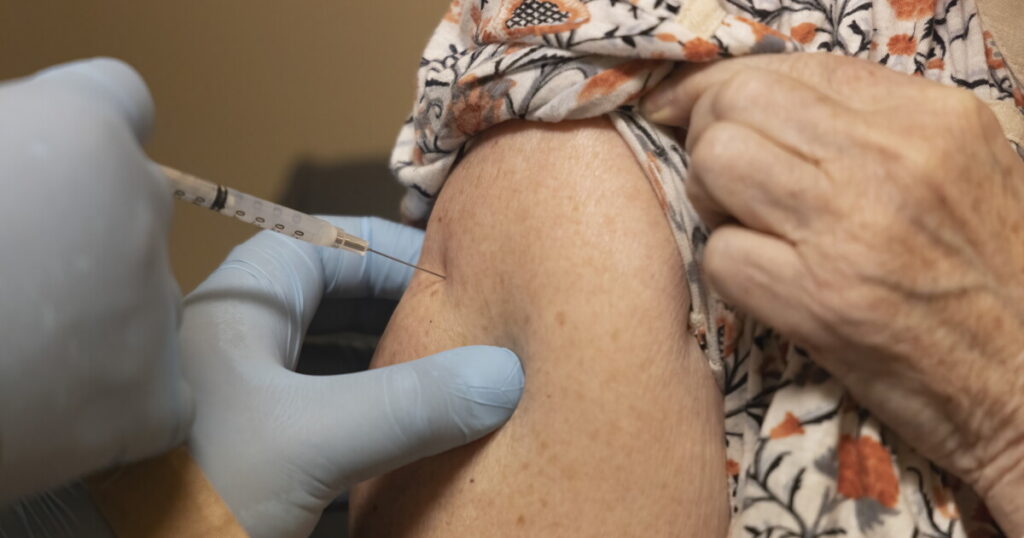
As the fall and winter seasons approach, a renewed emphasis is being placed on vaccinations for COVID-19, flu, and RSV. Independent analyses confirm these vaccines’ continued safety and efficacy in warding off severe complications from these respiratory infections. Consequently, leading medical organizations are advocating for Americans to maintain their immunization schedules.
The American Academy of Pediatrics, the American College of Obstetricians and Gynecologists, the American Academy of Family Physicians, and the Infectious Diseases Society of America have jointly issued updated guidelines. This move comes in response to a lack of recent federal directives on vaccine use, particularly under the Trump administration’s tenure, which did not update recommendations for vaccine use.
For stories on the science of healthy living, subscribe to NPR’s Health newsletter.
The new medical recommendations advocate for broader vaccine coverage, especially for groups not previously prioritized by federal guidelines, such as healthy young adults, children, and pregnant individuals. Bruce Gelin from the Vaccine Integrity Project emphasized the importance of evidence-based guidance in the absence of federal clarity. “We cannot allow the breakdown of the federal process to create a vacuum in evidence-based vaccine guidance,” he stated.
The analyses, published in JAMA, coincide with the rollout of new vaccines, rising infection rates, and the imminent return of students to school. Gelin remarked, “Americans are hearing conflicting messages about vaccines right now, and it’s understandable that people are asking whom they should trust.”
Federal Vaccine Guidelines in Disarray
Traditionally, the Centers for Disease Control and Prevention (CDC) would provide updated immunization guidance. However, a lawsuit has stalled this process, highlighting ongoing tensions regarding vaccine recommendations in the Trump era. Health and Human Services Secretary Robert F. Kennedy Jr., a known vaccine skeptic, attempted to reduce routine vaccine recommendations, a move the Trump administration sought to revive.
Dr. Sandra Adamson Fryhofer from the American Medical Association noted, “For decades, physicians like me have relied on federal vaccine recommendations because they were based on science and careful review. But with the massive changes at the federal level, trust is waning.”
While the CDC recently extended its 2025 flu vaccine recommendations, it remains silent on others. Dr. Demetre Daskalakis, who resigned from the CDC, warned against the dangers of this silence, emphasizing that it could lead to increased hesitancy and reduced vaccine uptake.
Insurance Coverage and Vaccine Access
Despite the absence of fresh federal guidelines, most vaccines remain accessible and covered by insurance. Private insurers and federal programs like Medicare continue to cover vaccines, and the Vaccines for Children Program is still operational. States have also adjusted regulations, allowing pharmacists to administer vaccines based on recommendations from medical groups.
Brigid Groves from the American Pharmacists Association noted, “The vast majority of patients across the nation should be able to access these vaccinations with very little barriers, very little hiccup.” However, some states may still require prescriptions.
Joint Analysis of Vaccine Data
The Vaccine Integrity Project, in collaboration with the American Medical Association, reviewed extensive vaccine studies to update guidelines. Despite federal resistance, organizations like the American College of Obstetricians and Gynecologists still endorse COVID vaccination for pregnant women, emphasizing its protective benefits.
The American Academy of Pediatrics has expanded its COVID and RSV vaccine recommendations to cover broader age groups, while the American Academy of Family Physicians advises adults to get updated COVID vaccines and flu shots.
For the first time, individuals aged 50 and above can receive a new mRNA-based flu vaccine, which promises stronger protection. Dr. Sarah Nosal from the American Academy of Family Physicians reiterated that vaccines remain vital in preventing severe illness and protecting communities.
As the respiratory virus season looms, timing the administration of COVID and flu shots remains a strategic decision. Dr. Fryhofer advises getting vaccinated a couple of weeks before major events to ensure optimal protection.
While independent efforts like the Vaccine Integrity Project are commendable, experts like Jason Schwartz from Yale University stress the need for federal guidance. “There is no substitute for the kind of clear, coherent messages and communication that the CDC has provided for decades,” he remarked, highlighting the potential for increased confusion without such leadership.
Copyright 2026 NPR
—
Read More Michigan News