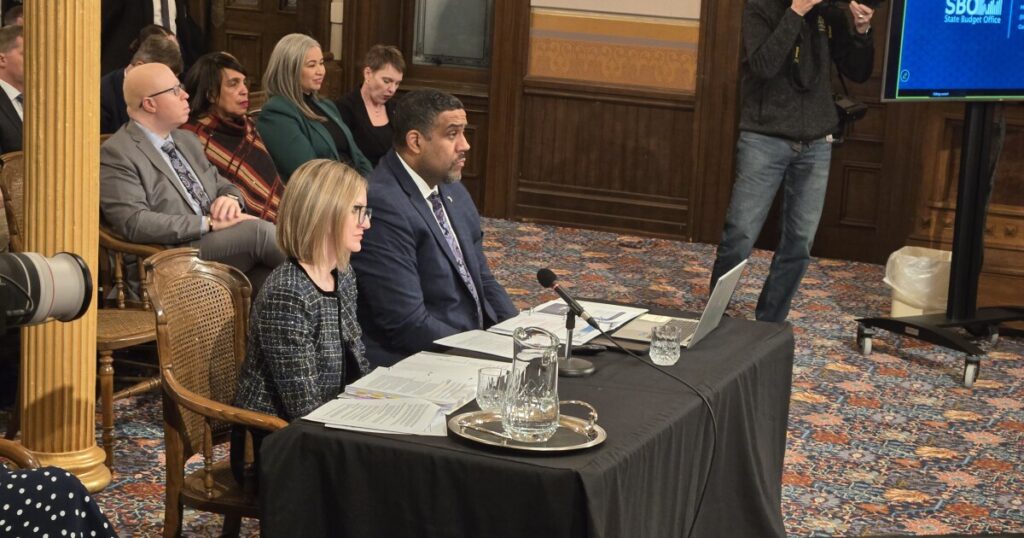
In the last year of her term, Governor Gretchen Whitmer has unveiled a budget proposal that focuses on financial restraint while setting specific priorities. As Michigan braces for economic challenges, the $88.1 billion budget plan was revealed in a joint session of the House and Senate appropriations committees.
The budget proposal marks a significant moment as it is Governor Whitmer’s final financial blueprint before her term ends. Whitmer Budget Director Jen Flood emphasized the budget’s goals, stating, “This is a budget that helps Michiganders save money, improves student literacy, protects access for health care, and sets Michigan up for long-term success.”
The proposed budget allocates approximately $625 million to enhance literacy among children, offers incentives to attract businesses to Michigan, and includes tax cuts aimed at seniors and families with school-aged children.
During the budget presentation, state officials highlighted the financial hurdles Michigan faces, including changes introduced by the One Big Beautiful Bill Act, which added new Medicaid qualification rules and increased state responsibilities for food assistance programs. These changes are expected to incur additional costs for the state, prompting plans to increase staffing and expand support programs.
Michigan is also confronting a projected $1.8 billion budget gap, attributed to both federal policy shifts and anticipated revenue declines. The governor’s budget outlines a combination of spending reductions and revenue enhancements to bridge this gap. Proposed revenue measures include tax hikes on nicotine products and online gambling, and increased fees for hunting, fishing, and boating. Additionally, $400 million would be drawn from the state’s Budget Stabilization Fund, commonly known as the “rainy day fund.”
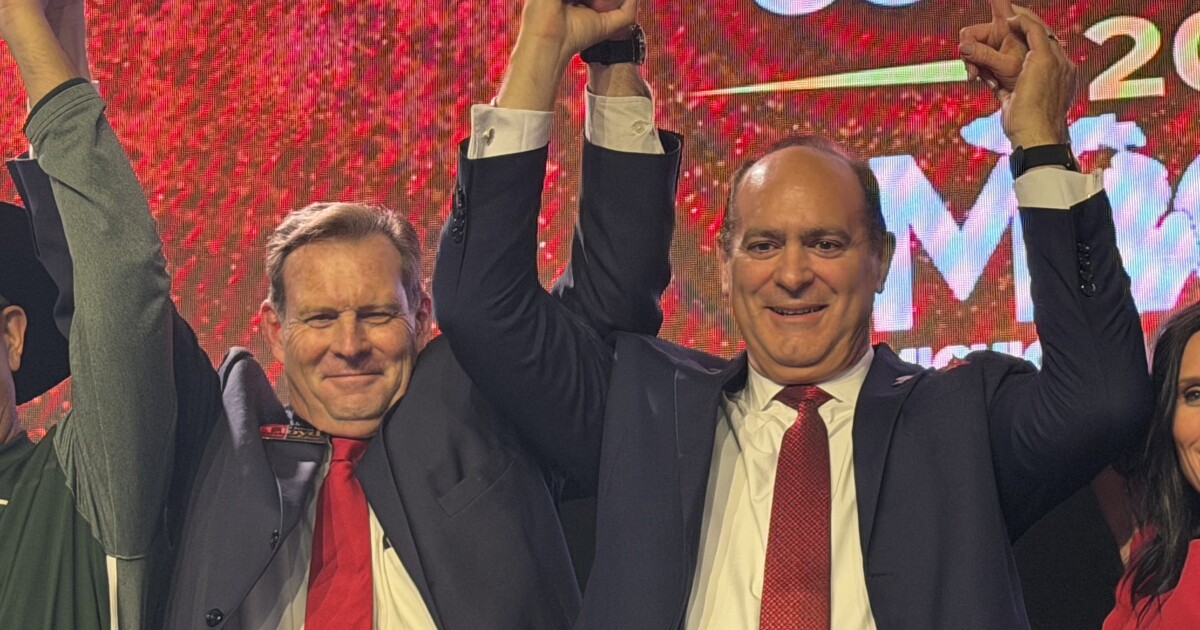
However, House Speaker Matt Hall (R-Richland Township) has expressed opposition to the revenue aspects of the budget. “We’re not going to raise taxes on vape and alternative nicotine products and other tobacco products,” Hall declared at a press event before the budget announcement. “We’re not going to do a delivery tax. We’re not going to raise taxes on internet gaming. We’re not going to do any of that. There are going to be no tax increases in this budget.”
Despite opposing tax increases, Hall indicated GOP support for a property tax cut for seniors and increased educational spending. Meanwhile, Senator Sarah Anthony (D-Lansing) acknowledged the economic slowdown and the cessation of federal COVID aid, emphasizing the need for bipartisan cooperation to meet the state’s July 1 budget deadline.
Senator Anthony noted, “This is going to be a very challenging year. We can place blame wherever we want to place it, but the reality is the numbers don’t lie, and so this is going to take a lot of courage from all of us.”
As the budget process unfolds, subcommittee hearings will take place, followed by the GOP-led House and Democrat-led Senate crafting their own budget proposals. These will need to be reconciled and forwarded to Governor Whitmer for her approval.
Governor Whitmer, who was not present at the budget presentation, is expected to outline her plans for the final year of her administration in the upcoming State of the State address.
—
Read More Michigan News