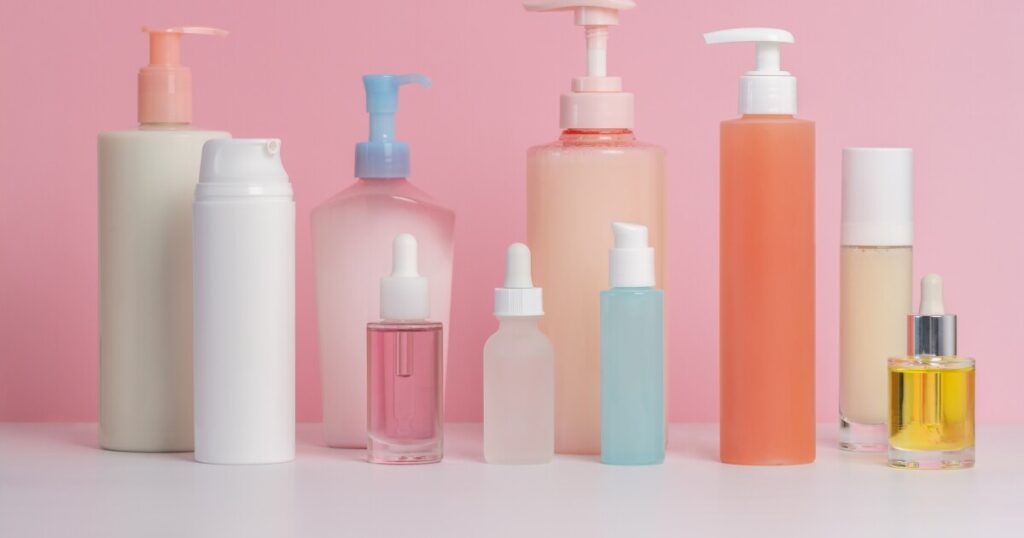
The beauty industry is under scrutiny as concerns mount over the presence of harmful chemicals in personal care products. Despite the daily use of these items by millions of Americans, federal regulations are minimal, allowing potentially dangerous substances to make their way into everyday beauty routines.
On average, an American adult utilizes 12 personal care products daily, coming into contact with around 168 chemicals, according to Consumer Reports. These products can contain elements like formaldehyde, mercury, and asbestos, known for their links to cancer and other health issues. The situation is particularly concerning for women of color, who tend to use twice as many products.
Despite increasing scientific evidence highlighting the risks of these toxic chemicals, regulatory action has been limited. Seeking to address this, a coalition of Democratic lawmakers introduced the “Safer Beauty Bill Package.” This legislative initiative aims to modernize outdated federal cosmetics laws.
Authored by Rep. Jan Schakowsky of Illinois, the package comprises four bills each targeting different safety aspects. These include banning toxic substances, ensuring transparency in the supply chain, and protecting groups disproportionately affected by these chemicals, such as women of color and salon workers. “We owe it to consumers to ensure the beauty and personal care products they use daily are safe,” said Schakowsky.
The initiative follows the 2022 enactment of the Modernization of Cosmetics Regulation Act (MoCRA) which expanded the FDA’s regulatory powers. However, lawmakers and consumer advocates argue that it did little to enhance product safety.
Some states, including Vermont and California, have independently banned numerous chemicals from cosmetics due to federal inaction. Meanwhile, the Personal Care Products Council, representing the industry, claims a commitment to safety, stating, “member companies take their responsibility for product safety … very seriously” on their website.
Consumer Reports emphasizes that the new legislation addresses gaps left by MoCRA, particularly regarding ingredient safety and transparency. Over 150 organizations and companies have endorsed the Safer Beauty Bill Package, highlighting its potential to elevate safety standards.
What chemicals are we talking about?
Marvin Joseph / The Washington Post via Getty Images
/
The Washington Post via Getty Images
Extensive research indicates that hazardous chemicals in personal care products can lead to health problems such as hormonal imbalance, respiratory issues, and cancer. This risk is notably higher for Black and Latina women due to frequent exposure to harmful ingredients like formaldehyde.
A Consumer Reports study in March found carcinogens in all tested synthetic hair products used in styles popular among Black women. Another study highlighted the presence of formaldehyde in everyday beauty items like soaps and shampoos.
The Breast Cancer Prevention Partners report noted that over 98% of fragrance chemicals are either unsafe or lack safety data, attributed to regulatory loopholes that allow undisclosed chemicals under vague terms like “fragrance” or “parfum” on labels.
With increasing youth engagement in beauty products and rising breast cancer rates, the urgency for safer cosmetics is paramount. While the European Union has banned over 2,400 chemicals from personal care products, the FDA restricts only about a dozen.
What would these laws do?
The proposed bills, now with the House Committee on Energy and Commerce, outline these key changes:
- The Toxic-Free Beauty Act aims to prohibit phthalates, formaldehyde-releasing preservatives, and 18 other harmful chemicals, aligning U.S. regulations with those in some states and the EU.
- The Cosmetic Supply Chain Transparency Act mandates disclosure of ingredient and safety data throughout the supply chain, promoting transparency and safer products.
- The Cosmetic Hazardous Ingredient Right to Know Act requires full disclosure of potentially harmful ingredients on labels and online, with direct links to safety information.
- Cosmetic Safety Protections for Communities of Color & Salon Workers would allocate $30 million for research and education on safer cosmetic alternatives, particularly for salon workers and women of color, and task the FDA with overseeing synthetic hair product safety.
Janette Robinson Flint, of Black Women for Wellness, urges legislative action, asserting, “Women, girls, and all people in this country deserve better from our legislators, regulatory agencies (EPA/FDA), and corporations.”
Copyright 2025 NPR
—
Read More Michigan News