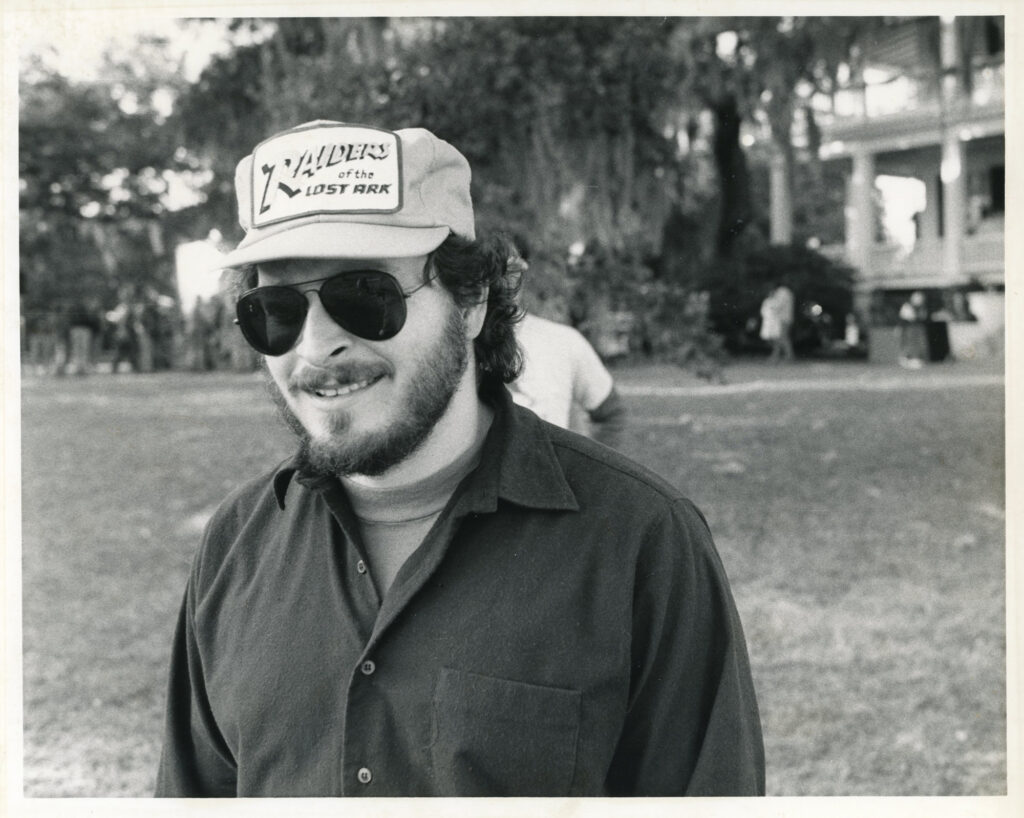
Renowned screenwriter and director Lawrence Kasdan, a four-time Academy Award nominee for films like “The Big Chill” and “The Accidental Tourist,” is celebrated for his significant contributions to major franchises such as “Indiana Jones” and “Star Wars.” Kasdan, an alumnus of the University of Michigan, has now donated his papers to the university’s Screen Arts Mavericks and Makers Collection. This collection also includes works from cinematic icons like Orson Welles and Robert Altman.
Philip Hallman, the collection curator, notes Kasdan’s unique career path. Unlike many filmmakers, Kasdan worked within the Hollywood studio system yet maintained creative control by directing his own screenplays, infusing them with his distinctive vision.

Why U-M?
Kasdan chose the University of Michigan encouraged by a friend’s tale of Arthur Miller funding his education through the Hopwood Awards. Winning four Hopwood prizes himself, Kasdan honed his craft during his undergraduate and master’s years, also participating in the Cinema Guild, which exposed him to a diverse range of films beyond mainstream Hollywood.
“It was a crazy, wonderful time,” Kasdan recalls, watching up to 10 films weekly. His exposure to various genres at U-M influenced his versatile storytelling style, which Hallman believes shaped his eclectic career.
Kasdan credits Kenneth Rowe, a U-M professor who inspired Arthur Miller, for teaching him about structure and being a supportive mentor, akin to characters in classic films.


‘Very rarely a straight line’
Kasdan’s home office features a framed poster of “Yojimbo” by Akira Kurosawa, a nod to his admiration for varied storytelling. His career, despite seeming straightforward with successful films like “Body Heat” and “The Big Chill,” was built on perseverance through years of rejection.
His career took a pivotal turn when Steven Spielberg became interested in his script, “Continental Divide,” leading to collaboration on “Raiders of the Lost Ark.” This opportunity propelled Kasdan from advertising into Hollywood filmmaking.
Kasdan was able to direct his own screenplays after the success of “Raiders,” a rare opportunity for writers at the time. Despite his rapid rise, he faced numerous obstacles, including 67 rejections for “The Bodyguard.”
The Hopwood Awards played a crucial role in his persistence, instilling confidence in his writing abilities. “There was never a day after I received that [Hopwood Award] letter that I doubted I would be able to make my way as a writer,” he said in a 1999 lecture.

What’s in the archive?
Philip Hallman is organizing Kasdan’s papers, which include scripts, call sheets, and rare photos, to make them accessible to researchers. The collection, expected to be fully organized within 18 months, contains treasures like photos from Kevin Costner’s deleted scene in “The Big Chill.”
Kasdan’s records also feature photo albums documenting the “families” formed on film sets, showcasing the collaborative nature of his projects. Hallman notes the archive’s impeccable organization, attributed to Kasdan’s dedication to preserving his creative process.
Kasdan expressed that he documented his work meticulously to ensure a well-organized archive for future exploration. This archive serves as a valuable resource for researchers and aspiring filmmakers eager to learn from his experiences.
—
Read More Michigan News