In a significant legal move, conservationists and historical groups have initiated a lawsuit against the Trump administration, claiming new National Park Service policies compromise the integrity of American history and science in national parks.
Filed in Boston, the lawsuit challenges directives from President Donald Trump and Interior Secretary Doug Burgum that allegedly compel park staff to alter or omit displays of accurate historical and scientific information, particularly concerning slavery and climate change.
Additionally, the National Park Service faces separate legal action from LGBTQ+ rights activists and historic preservationists over the removal of a rainbow Pride flag at the Stonewall National Monument in New York, a historic site pivotal to the LGBTQ+ rights movement.
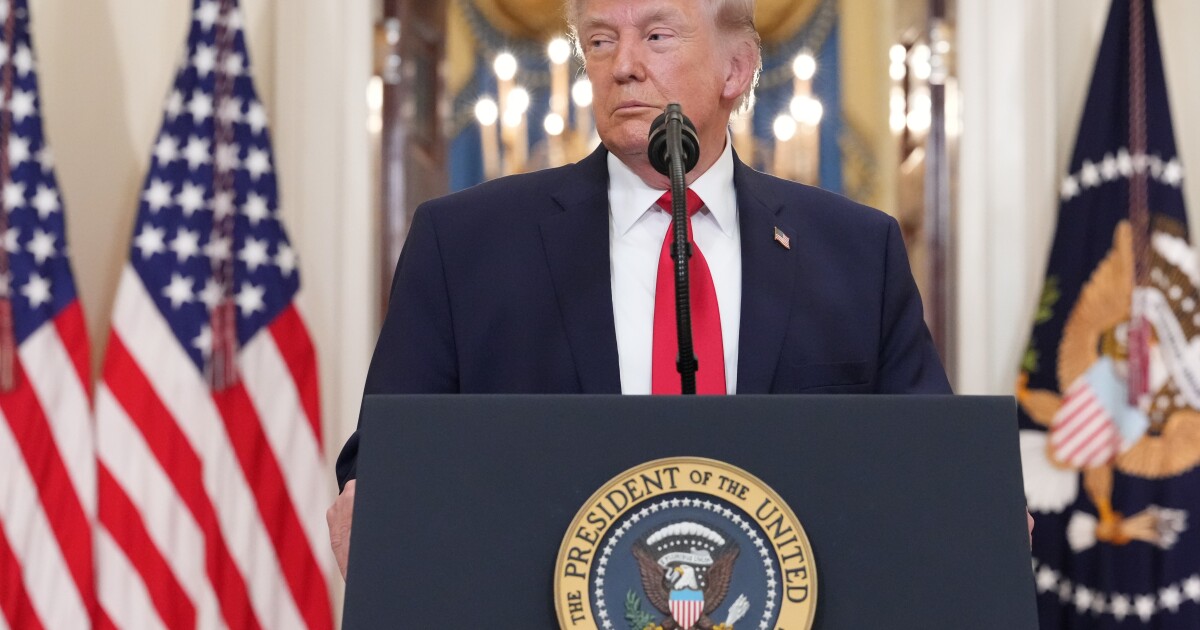
The contested policy changes stem from a Trump executive order aimed at “restoring truth and sanity to American history” across museums, parks, and landmarks. The order mandates that any displays perceived as “inappropriately disparaging” Americans, past or present, be scrutinized and potentially removed. Secretary Burgum further instructed the removal of “improper partisan ideology” from federally managed exhibits.
The coalition of plaintiffs, including the National Parks Conservation Association and the Union of Concerned Scientists, argues that a federal campaign reviewing interpretive materials has intensified, leading to the removal of exhibits on slavery, civil rights, Indigenous peoples, and climate science—integral aspects of the American experience.
This legal challenge follows a federal judge’s order to reinstate an exhibit on nine people enslaved by George Washington at his Philadelphia residence, which was removed by the park service. The judge’s ruling coincided with Presidents Day, a holiday celebrating Washington’s legacy.
Among the sites affected are the Selma to Montgomery National Historic Trail in Alabama, where about 80 items have been flagged for removal. At Brown v. Board of Education National Historical Park in Kansas, exhibits mentioning “equity” have been targeted. Similar actions have been noted at Grand Canyon National Park and Glacier National Park, where discussions on climate change and its impact have been removed.
Alan Spears, senior director of cultural resources at the parks conservation association, commented, “Censoring science and erasing America’s history at national parks are direct threats to everything these amazing places, and our country, stand for.”
In response, the Interior Department announced its intention to appeal the Philadelphia court’s decision, noting plans for updated interpretive materials that offer a “fuller account of the history of slavery at Independence Hall.”
White House spokeswoman Taylor Rogers dismissed the lawsuit as “premature” and based on “inaccurate and mischaracterized information.” She emphasized that the Interior Department’s review of American history exhibits is ongoing and not yet concluded.
U.S. District Judge Cynthia Rufe, in her ruling, ordered the restoration of all original materials at the Philadelphia exhibit while the legal proceedings continue. Her written order invoked George Orwell’s “1984,” likening the administration’s actions to the book’s fictional Ministry of Truth.
The removal of the Pride flag at Stonewall National Monument has also drawn criticism, with the lawsuit labeling it part of a broader pattern of discrimination against the LGBTQ+ community by the Trump administration. The Pride flag, first installed in 2022, symbolized federal recognition of LGBTQ+ history.
Notably, the Interior Department has been critiqued for allowing exceptions for other flags, including Confederate ones, that serve historical purposes. Despite the controversy, New York activists have independently raised a new Pride flag at the Stonewall site.
Former Glacier National Park Superintendent Jeff Mow expressed disappointment with the new directives, asserting, “You cannot tell the story of America without recognizing both the beauty and the tragedy of our history.”
Skye Perryman, president and CEO of Democracy Forward, the nonprofit legal group representing the plaintiffs, underscored the importance of unfiltered historical narratives in understanding America’s past.
Copyright 2026 NPR
—
Read More Michigan News