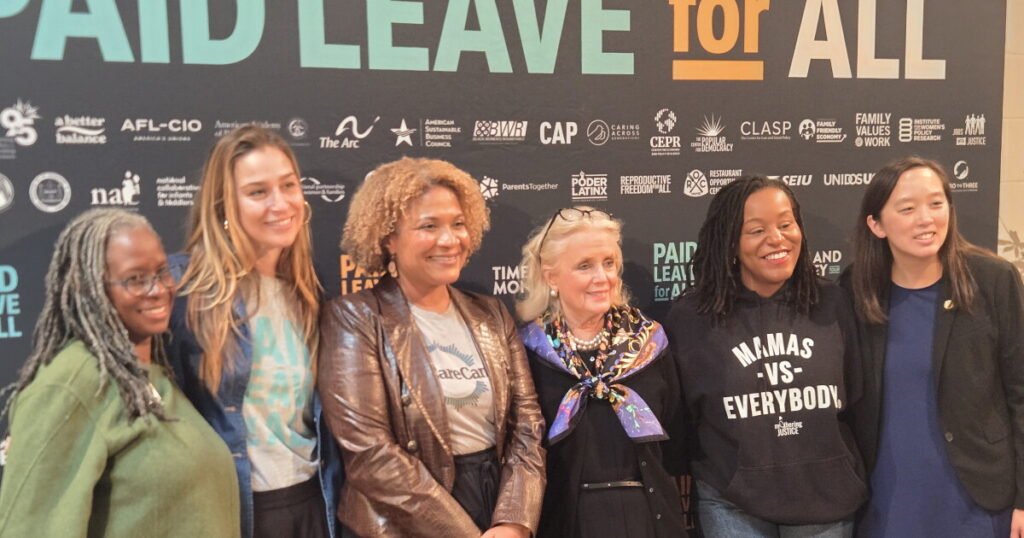
In a significant push for policy change, Detroit hosted a gathering of lawmakers and community advocates seeking to advance paid family and medical leave legislation. This initiative highlights the ongoing debate over the necessity of state and federal laws to support working families.
Under the current Family Medical Leave Act in the U.S., large employers must offer up to 12 weeks of unpaid leave for new parents or those with severe health conditions. However, a substantial portion of the workforce lacks access to paid leave, with estimates suggesting that approximately 76% of Michiganders fall into this category.
“That means three out of every four people have to choose between putting food on the table or caring for themselves or their loved ones,” stated U.S. Representative Debbie Dingell, highlighting the pressing need for change.
Despite the introduction of a federal bill to ensure paid family leave in every Congressional session since at least 2004, it has yet to be enacted into law. This has led several states to develop their own policies, with 14 states and Washington D.C. already implementing such measures, as reported by the Bipartisan Policy Center. In the Midwest, Minnesota stands out as the sole adopter.
Dawn Huckelbridge, Director of the Paid Leave for All campaign, emphasized the benefits seen in states with paid leave policies. “It’s time and money, you know, time with your loved ones, you can’t even put a price tag on that. It’s helping people’s mental health. It’s helping wellbeing. It’s bringing more career opportunities. So, it’s really important,” she said.
However, the business sector often resists such policies. Amanda Fisher, representing the Michigan chapter of the National Federation of Independent Business, pointed to the financial strain that implementing such a policy caused in Minnesota, arguing that Michigan’s small businesses could face similar challenges.
Michigan state Senator Erika Geiss has introduced a new bill proposing a phased implementation of up to 12 weeks of annual paid family leave over three years. This leave could be utilized for various situations, including extended illness, family care, or recovery from violence.
Fisher acknowledges the good intentions behind the policy but argues that maintaining open positions for extended periods could burden small businesses. “You add more taxes or more regulation, it’s just that much more. But I really think, with this paid family leave, the idea of having to leave that position open for that amount of time is truly a hardship,” she said.
Though Geiss’s previous bill package progressed through the committee, it did not reach a floor vote. Facing a Republican-controlled House and limited legislative time, the current bill confronts significant obstacles. Geiss remains optimistic, urging her peers to act despite potential opposition from businesses and cost concerns, citing research supporting the feasibility of the plan.
The event was hosted at Mothering Justice’s Detroit office, a group known for spearheading a ballot campaign that expanded Michigan’s sick leave law. When asked about the possibility of another ballot measure for paid leave, Danielle Atkinson, Executive Director of Mothering Justice, indicated that while all options are on the table, they prefer legislative action first.
—
Read More Michigan News