Hi! You’re reading the It’s Just Politics newsletter. Subscribe here to get it delivered to your inbox, and listen to the It’s Just Politics podcast for all the political news you need each week.
Budget Battles Loom in Michigan as Debate Begins Over 2026 Proposals
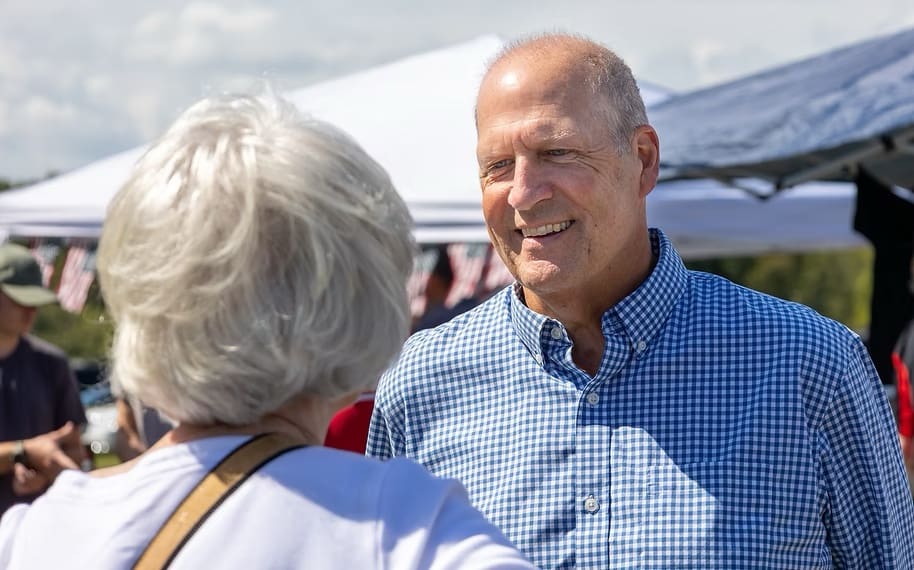
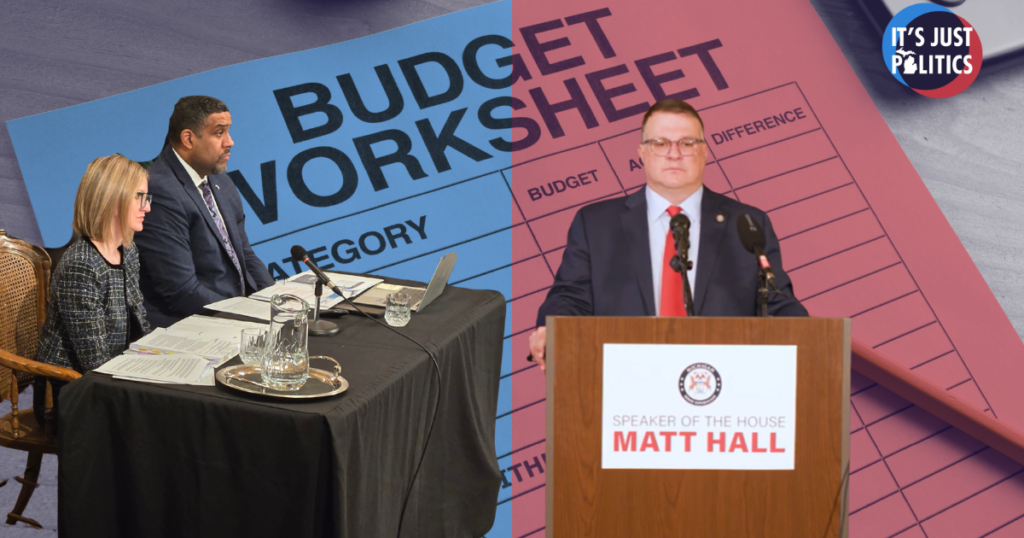
As the political landscape in Michigan heats up, the 2026 budget discussions have taken center stage. Governor Gretchen Whitmer has yet to officially present her 2026-27 budget proposal, but challenges are already emerging. GOP House Speaker Matt Hall made it clear that any plans involving a new nicotine tax, online gaming tax, or delivery service tax will face strong opposition. “There are going to be no tax increases in this budget,” Hall stated emphatically.
This statement sets the tone ahead of Whitmer’s upcoming State of the State address, where she is expected to advocate for her fiscal strategies. The governor, nearing the end of her term, is faced with the complex task of balancing new initiatives without triggering a budget crisis.
The budget process is underpinned by projections agreed upon by the House, Senate, and the Whitmer administration, indicating flat revenue growth as the new fiscal year approaches in October. The forthcoming Consensus Revenue Estimating Conference in May will provide updated economic forecasts, potentially altering the course of budget negotiations if the economy falters.
Questions abound regarding Whitmer’s legacy as her term concludes, and whether Michigan will witness another budget standoff or partial government shutdown come October. Additionally, with election campaigns in full swing, there is heightened pressure to finalize the budget promptly. Brad Williams, a seasoned Lansing lobbyist, highlighted the urgency, stating, “Everybody wants this done and to get it done quickly,” particularly incumbents aiming to secure voter support in swing districts.
Although Michigan’s fiscal year commences on October 1, coinciding with early voting, a state law requires the budget to be completed by July 1. Despite the lack of penalties for missing this deadline, timely completion is crucial for local governments, many of which start their fiscal years on the same date. Fiscal responsibility remains a key talking point, especially when local officials seek clarity on state funding.
Amanda Fisher from the National Federation of Independent Businesses remains optimistic, citing last year’s road agreement as a potential pathway to smoother negotiations in 2026. “I’m hoping there was so much heavy lifting in the last session that this time should be a lot easier,” Fisher remarked.
Political Tensions and Economic Proposals
With the gubernatorial race in November, the presence of an independent candidate like former Detroit Mayor Mike Duggan adds another layer of complexity to the budget timeline. Duggan’s campaign could capitalize on delays, promoting a message of overcoming partisan gridlock.
Governor Whitmer’s budget also includes proposals to raise fees for hunting, fishing, and boating licenses, along with landfill dumping fees. These measures are likely to face scrutiny from powerful constituencies and lobbying groups. Additionally, a lawsuit challenging the legality of a wholesale marijuana tax could impact the budget’s revenue projections if the court rules against it.
Stay informed on Michigan’s political and economic developments by subscribing to our newsletter and listening to the It’s Just Politics podcast. For further insights and to share your thoughts, reach out to us at politics@michiganpublic.org.
—
Read More Michigan News