Michigan’s Data Center Boom: A New Battleground
In communities throughout Michigan, discussions are heating up around the sudden surge of data center projects. From Saline Township to Kalkaska, local residents are voicing their concerns over the potential environmental impact due to increased electricity and water usage, as well as a lack of transparency regarding these facilities.
The rise in data centers is linked to the growing demand for computing power driven by the AI industry. Ben Green, a researcher from the University of Michigan, highlighted in a recent podcast discussion that data centers have rapidly transitioned from a niche topic to a national headline, largely due to AI advancements.
This demand is influencing not only business strategies but also political decisions. As Green notes, “There’s this sense of AI hype and FOMO,” which is fueling a competitive atmosphere among states, including Michigan, to offer tax incentives to attract these projects.
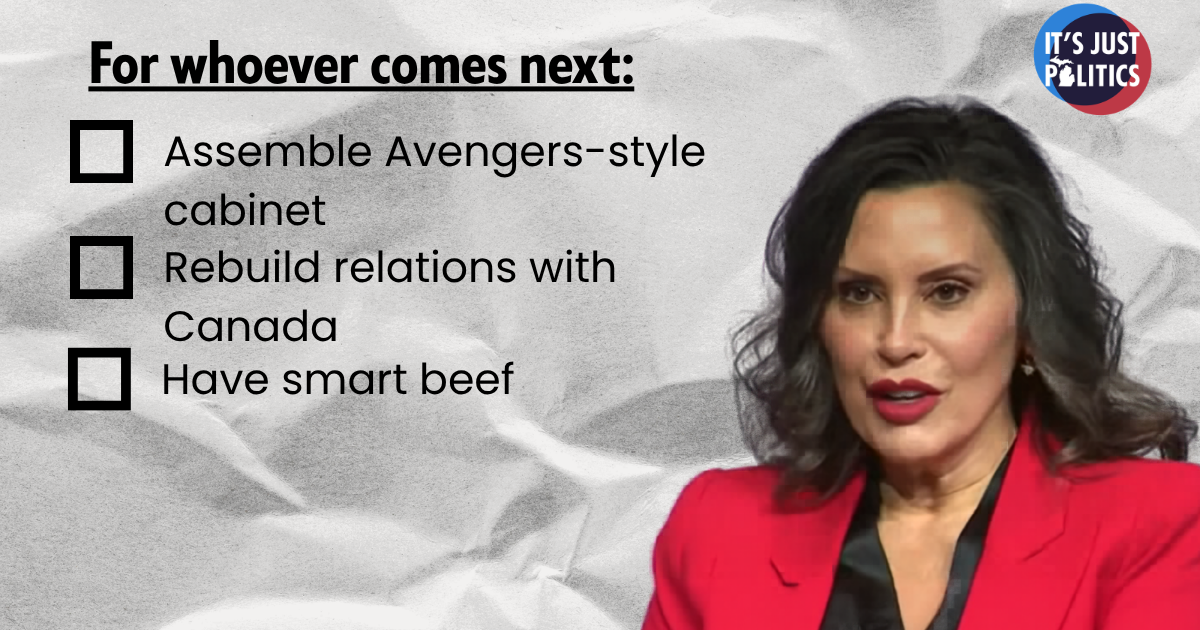
Governor Gretchen Whitmer supports the establishment of a 1.4-gigawatt AI facility in Saline Township, announcing it as a historic economic initiative for the state. However, Michigan’s Democratic Attorney General Dana Nessel is pushing back, demanding a more thorough review of the associated utility plans to protect consumers from bearing unwarranted costs.
Similar dynamics are unfolding in other states. Georgia has seen political shifts due to the backlash over rising electric bills linked to data centers, with recent elections altering the balance of power on the state’s utility commission. According to David Chen of The New York Times, what began as a response to increased electricity costs evolved into a significant political issue, even influencing longstanding Republican-held seats.
Across Michigan and beyond, the debate over data centers crosses traditional party lines, often uniting diverse local interests against broader state and corporate agendas. As Chen observed in Georgia, “it wasn’t a group of professional activists… a lot of Republicans joined the coalition.” Green echoes similar sentiments about Michigan, where bipartisan support and opposition are evident based on local impact.
As these developments unfold, it’s clear that the controversy surrounding data centers is reshaping political landscapes in unexpected ways, suggesting that the issue is likely to grow in prominence.
____________________
Questions about data centers? We want to hear from you! Reach out to us at politics@michiganpublic.org.
_______________________
Current Conversations
Ballot Dispute
A legal battle over absentee ballot procedures continues in Michigan. A judge has called for Secretary of State Jocelyn Benson and Republicans to negotiate a resolution regarding ballots with mismatched or missing numbers, as ongoing lawsuits challenge the current election management guidelines. The latest ruling from Judge Brock Swartzle criticizes the ease of voting guidelines as potentially allowing ineligible voting, while Benson’s team argues that these challenges aim to disenfranchise valid voters.
Property Tax Debate
House Speaker Matt Hall is considering a future ballot initiative to address high residential property taxes. Reflecting on past decisions like the 1994 Proposal A, Hall suggests that voters could choose between different tax reform plans. This proposal would require agreement from the Senate Democratic majority and Governor Whitmer to be presented to voters.
Looking Back at 2025
Join us for the last It’s Just Politics Issues & Ale event of the year! Reflect on Michigan’s political scene and look forward to significant upcoming elections. Participate in person in Ann Arbor or virtually, but make sure to register in advance.
_________________________
Yours in political exploration,
Rick Pluta & Zoe Clark
Co-hosts, It’s Just Politics
_________________________
—
Read More Michigan News