Michigan Battles Record Cyclospora Outbreak Amidst Nationwide Concerns
In an unprecedented health alert, Michigan is currently grappling with its largest cyclospora outbreak, affecting nearly 1,000 residents with symptoms of severe diarrhea. This surge marks one of the most significant outbreaks of this kind in recent U.S. history, although no fatalities have been reported.
The origin of these infections remains unidentified, complicating efforts to contain the outbreak. Neighboring Ohio has also reported illnesses, with Lucas County alone documenting 306 cases. Across the state line, northwest Ohio has seen over 500 cases, indicating a possible regional spread.
The Michigan Department of Health and Human Services initially flagged the outbreak last week with over 170 cases reported since late June. The latest figures reveal a steep rise to 992 cases, including approximately 40 hospitalizations. Typically, Michigan reports about 50 cyclospora cases annually.
Dr. Natasha Bagdasarian, Michigan’s chief medical executive, affirmed to The Associated Press, “there is clearly a linked outbreak happening right now.”
Understanding Cyclospora
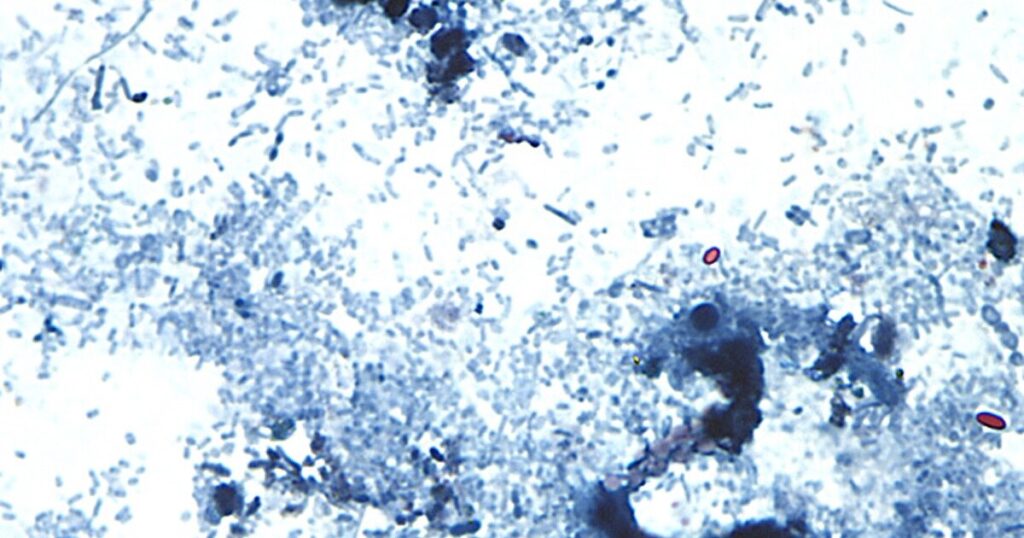
Cyclospora is a parasite that typically causes intense, watery diarrhea, often accompanied by explosive bowel movements. According to the CDC, cyclosporiasis is usually treatable with antibiotics and is not generally life-threatening. Outbreaks are most common during warmer months.
The parasite propagates through feces and can contaminate produce like fruits and vegetables via tainted irrigation water. While cyclospora is less prevalent than other foodborne pathogens like salmonella or E. coli, its incidence has been climbing over the past decade due to factors like climate change and improved detection methods.
Comparisons with Previous U.S. Outbreaks
Historically, few cyclospora outbreaks in the past 20 years have exceeded 1,000 cases in the U.S. The 1997 Guatemalan raspberry outbreak and the 2019 Mexican basil incident are notable exceptions. Melanie Firestone, a foodborne illness researcher at the University of Minnesota, attributes underreporting to diagnostic tests that often miss cyclospora.
Challenges in identifying the source include the parasite’s inability to be cultured in labs and difficulties in tracing contaminated ingredients that may be spread across different food items and establishments. Distribution chains complicate tracing efforts as contaminated produce can reach both grocery stores and restaurants. Investigations can be protracted and inconclusive.
Current Outbreak Status
The surge in Michigan, particularly in the southeast, does not constitute a national health emergency, according to health officials. The CDC’s Dianna Blau noted that there is no evidence of the parasite becoming more virulent. Although nationally reported cases are high, Michigan’s proactive approach in detection and reporting may amplify its case count compared to other states.
Preventive Measures Against Cyclospora
Individuals experiencing persistent diarrhea should consult healthcare providers about cyclospora. Preventive measures include avoiding potentially contaminated food or water. Thorough washing of produce is advised, although cyclospora can adhere stubbornly to some foods.
Michigan health officials suggest buying whole lettuce heads instead of pre-washed packages and recommend removing the outer leaves before washing. Cooking vegetables when possible is also advised to reduce the risk of infection.
For further information, visit the Michigan Department of Health and Human Services or the Associated Press.
—
Read More Michigan News