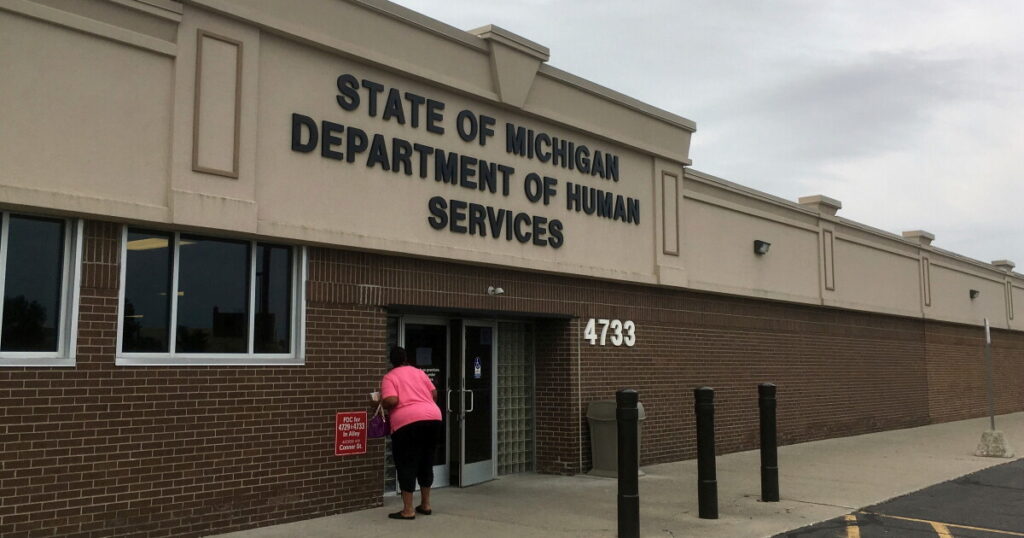
In Michigan, the child welfare system is facing heightened scrutiny as the rate of abuse and neglect in foster care continues to climb. The state is considering ending nearly two decades of federal oversight, arguing that the oversight has become outdated and no longer effective. However, federal monitors warn that the increasing cases of abuse and neglect pose a significant threat to children’s safety.
Federal monitors, who have been overseeing Michigan’s child welfare system since a 2006 lawsuit, reported that the state has not met the required benchmarks, with nearly 447 substantiated abuse or neglect incidents last year. This number exceeds the minimum standard by 163 cases. The report indicated that one-third of reviewed abuse or neglect investigations were inadequate.
Despite these alarming statistics, the Whitmer administration is pushing to end the federal oversight, claiming that the funds spent on monitoring could be better utilized to support Michigan’s children and families. Assistant Attorney General Neil Giovanatti stated that the oversight has become “archaic” and burdensome to both the state and the children in foster care.
Concerns Over Rising Abuse Rates
The state’s request to end federal oversight has sparked debate. Attorney Samantha Bartosz from Children’s Rights, the organization behind the 2006 lawsuit, argued that difficulties in meeting requirements do not justify modifying the consent decree. State Sen. Jim Runestad echoed this sentiment, criticizing the state’s lack of seriousness in addressing foster care issues.
One notable case highlighting the system’s failures involved Tamal and Jerry Flore, who were convicted of abusing their foster and adopted children over 14 years. The abuse included physical beatings, withholding meals, and locking children in rooms. This case underscores the systemic issues within Michigan’s child welfare system.
Financial Implications and Staffing Challenges
Michigan has spent over $40 million on federal monitors since the 2008 consent decree. The state argues that this money could be redirected to hire additional staff, including CPS investigators and foster care case managers, to address the staffing shortages identified in the 2006 lawsuit.
Despite efforts to increase staffing, the state has faced high turnover rates and inexperienced workers. Sarah Font, a former Michigan child welfare worker, highlighted the challenges of training and retaining staff, noting that many new employees lacked the investigative skills needed for effective child welfare work.
Kinship Care and Safety Concerns
Joseph Ryan, a University of Michigan expert, reported that most abuse and neglect incidents occur in kinship care, where children are placed with relatives. While kinship care has its advantages, it also poses challenges in aligning with the bureaucratic child welfare system. Federal monitors argue that the state is attempting to “water down accountability” on kinship care, given its failure to meet performance benchmarks.
As Michigan navigates the complexities of its child welfare system, the debate over federal oversight continues. The state faces the challenge of ensuring the safety and well-being of children in foster care while balancing financial and staffing constraints.
___
This story was originally published by Bridge Michigan and distributed through a partnership with The Associated Press.
—
Read More Michigan News