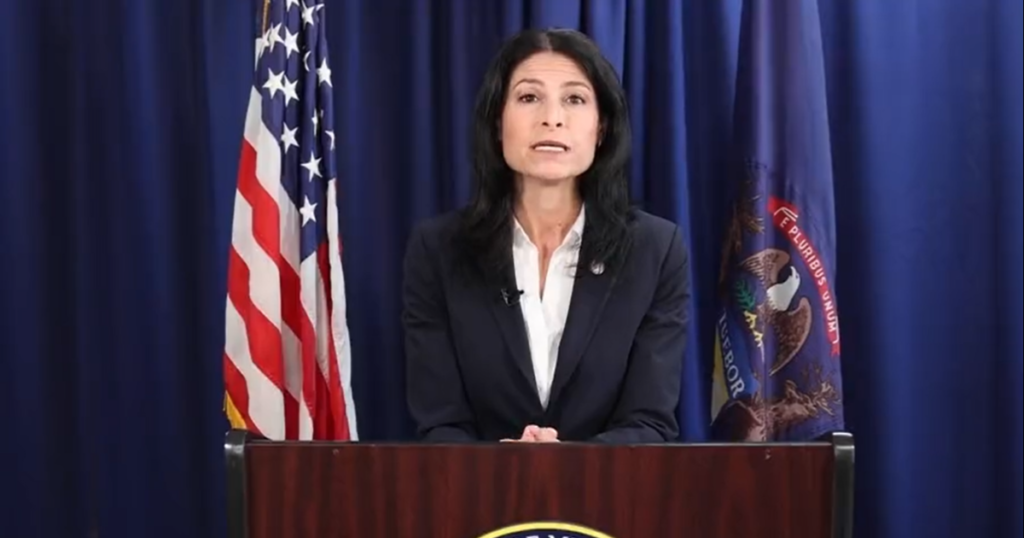
Michigan Lawmakers Consider Limiting Attorney General’s Authority
In a move that could reshape the balance of power in Michigan’s legal landscape, the state House Judiciary Committee is evaluating new legislation aimed at curtailing the attorney general’s authority. The proposed bills would require the attorney general to obtain approval from either the governor or the Legislature before intervening in existing legal cases, a departure from the current statute which allows such involvement whenever it is deemed necessary for state interests.
State Representative Jay DeBoyer (R-Clay), who sponsored the bill, highlighted a notable instance during a committee meeting. He cited a case where the attorney general pursued charges related to COVID-19 health order violations after local prosecutors opted out. DeBoyer emphasized the need for oversight, stating, “The rights that are granted to the attorney general and the attorney general’s actions are created by the statutes that the Legislature has put in place and that the governor signs into law. We don’t want to create anybody that’s a king and the attorney general certainly should not have complete autonomy with regard to these things.”
Advocates of the bill argue that requiring executive or legislative consent would foster a more collaborative relationship between the attorney general’s office and other governmental branches. However, opposition from committee Democrats was evident. State Representative Kelly Breen (D-Novi) expressed concerns that the proposed changes could hinder the attorney general’s responsiveness, noting, “Time and time again, the legislature has demonstrated we cannot turn on a dime. And most of these decisions that an attorney has to make when they are intervening, or they are seeking to intervene, or have to respond to something, you have to be able to respond in that moment.”
The legislative package specifies that the intervention power would be confined to state-level courts and tribunals. Notably, Michigan Attorney General Dana Nessel, a Democrat, has actively participated in federal cases, often in collaboration with other Democratic attorneys general, involving issues such as gun device regulations and health care access for DACA recipients.
Proponents of the bills maintain that they would not obstruct the attorney general’s ability to join multi-state lawsuits, though some Democrats remain skeptical. Another contentious element of the legislative package seeks to revoke the attorney general’s capacity to initiate cases in Ingham County courts, which are perceived to be more favorable as they are located in the state capital, Lansing.
DeBoyer criticized the practice of selecting a venue perceived to be more favorable for the state, presenting a recording purportedly of a department official expressing reluctance to try a case before a Roscommon jury. “It’s an insult and it’s a direct slap against the rights of defendants with regard to the venue in which they are held to a jury of their peers. Because clearly, your peers are the individuals that live near, or at least in your community,” he stated.
While the attorney general’s office has not offered a public response to these developments, Breen defended the current venue practice, asserting, “It’s the attorney general’s job to represent the people of Michigan. And so when you have cases involving the state, it does make sense to have it take place in Lansing.”
Currently, the bills are under committee review. Given the Democratic majority in the state Senate, their future remains uncertain even if they advance through the House of Representatives.
—
Read More Michigan News