In a last-minute agreement, Michigan legislators have successfully negotiated to re-enter an important interstate medical compact, averting a situation that threatened the medical licenses of numerous doctors in the state. This deal was reached just before the critical deadline, ensuring continuity for healthcare professionals and their patients.
Michigan’s previous involvement in the Interstate Medical Licensure Compact had lapsed last March. However, a one-year grace period before the effects of withdrawal were felt allowed lawmakers until the end of this month to resolve the issue. The delay and swift resolution of the legislation have drawn attention to recurring criticisms about procedural delays in the state’s legislative process.
In late 2024, the Michigan House passed a bipartisan bill with near-unanimous support, aiming to secure Michigan’s continued participation in the compact. This bill, however, was not prioritized during a marathon Senate session, leading to further delays.
In a series of legislative efforts, both chambers passed their own bills to address the issue, but neither made significant progress until recently. The Senate and House each attempted multiple times to rejoin the compact, with overwhelming support within each chamber, yet the bills consistently stalled.
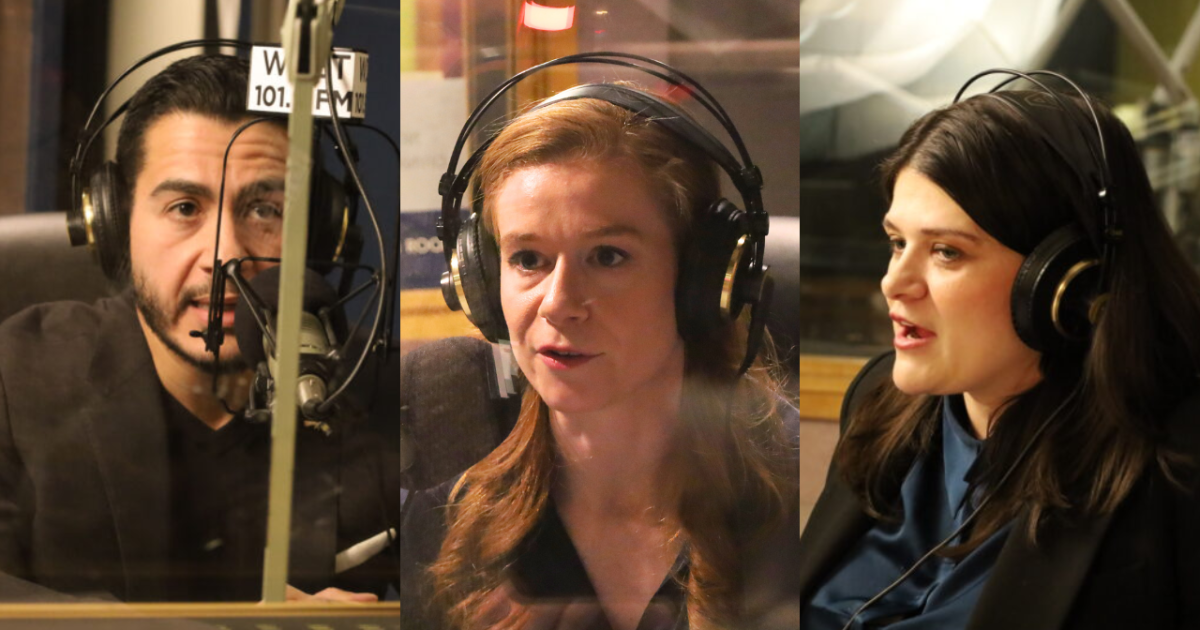
The latest agreement, struck on the last day before the House adjourned for spring break, involves the Senate’s commitment to consider the House’s proposal when it reconvenes. This compromise was facilitated by State Representative Rylee Linting, who emphasized the critical nature of the deadline, stating, “It would really just be a shame, it would be devastating if we let political games get in the way of supporting our communities all across Michigan.”
As part of the negotiation, the House agreed to pass an unrelated bill from Senator Kevin Hertel, which seeks to establish a development district on Harsens Island. This measure aims to provide tax incentives to attract business to the island, enhancing its economic prospects.
Senate Majority Leader Winnie Brinks expressed satisfaction with the agreement, yet criticized the delays, stating, “While the House speaker says we had a ‘crisis’ on our hands, I want to be clear: this should never have become a crisis. This could have been easily settled months ago with the Senate’s bipartisan legislation, but it became clear that the speaker was unwilling to take that path.”
The intertwined nature of the two bills means neither can become law independently, necessitating a coordinated passage. Although the organization behind the licensure compact has acknowledged the deal, a caution remains as no new doctors can currently utilize Michigan credentials to register or obtain licenses in the state.
—
Read More Michigan News