In Grand Rapids, Michigan, a significant roundtable discussion unfolded as policymakers and advocates came together to brainstorm strategies for reducing housing costs. This meeting addressed both state and federal legislative possibilities to tackle the issue.
At the state level, Michigan lawmakers are eyeing bipartisan zoning bills in the House of Representatives. This legislative package seeks to standardize zoning policies across the state, such as setting minimum home and property lot sizes, aiming to encourage affordable housing development. However, some local governments express concern that these bills might limit local control.
Representative Kristian Grant (D-Grand Rapids), who sponsors the package, assures that local governments will still have a say. She stated, “What it does is just say that there cannot be complete bans on duplexes or that parking cannot absolutely deny a housing project before it even begins. We need to start having the conversation and removing some of the largest barriers to housing.” Governor Gretchen Whitmer supports these reforms, having mentioned similar policies in her State of the State address this year.
Besides zoning reforms, reducing property taxes is another focal point for state lawmakers. The Republican House Speaker has introduced a proposal to roll back property taxes while raising taxes on specific services. However, details of this proposal remain undisclosed.
On the other hand, Governor Whitmer is pushing for a property tax cut targeted at seniors. She emphasized, “We know that there will be conversations going on but I put a plan on the table that actually gives seniors real property tax relief and confers additional tax benefits to people that are trying to get into the housing market.”
The Democratic-controlled Senate is also contemplating property tax reductions through expanding the homestead property tax credit. Senate Majority Leader Winnie Brinks (D-Grand Rapids) noted that these efforts might depend on the state’s budgetary allocations. “We do have these other tools available to us, we could tweak, we could change, we could negotiate around those bill packages if we want to provide tax relief. But really that’s a bigger question, it’s not just about housing, it’s also about the state budget,” Brinks explained.
On the federal front, Congresswoman Hillary Scholten (D, MI-3) is advocating for policies enhancing construction in rural areas and improving water and transportation infrastructure. She highlighted the 21st Century Road to Housing Act as a collaborative effort nearing congressional approval, though potential hurdles at the White House loom.
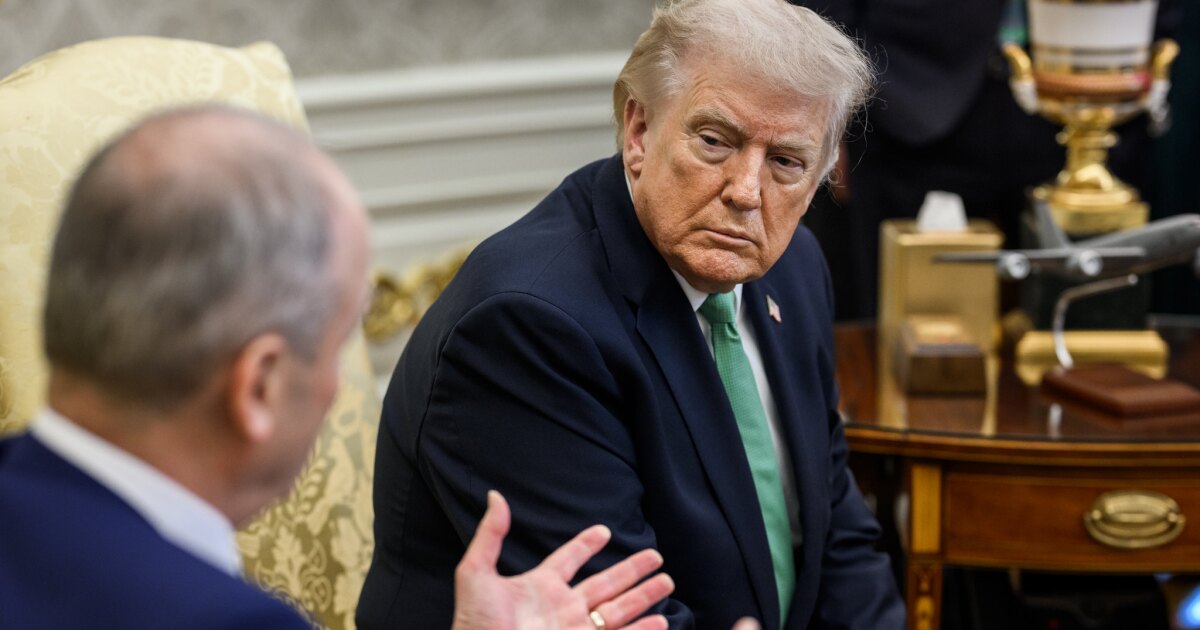
President Donald Trump has threatened to block all bills until Congress approves the SAVE Act, which mandates documentary proof of citizenship to vote — a move that voting rights advocates worry could complicate voting access for some citizens.
Discussing infrastructure-related policies, Scholten expressed concern over funding priorities, stating, “As soon as we start to hear Congress balk at a price tag, we need to think about the fact that the president is asking for $200 billion for a war that nobody wants and refusing to give us the resources that we need to build necessary housing right here in West Michigan,” in reference to the recent conflict with Iran initiated by Trump.
—
Read More Michigan News