On a Wednesday evening, tensions rose in rural Washtenaw County as local residents voiced their concerns over a proposed data center’s energy plan. The center, which would require a staggering 1.4 gigawatts of power, is part of a massive investment by OpenAI in AI infrastructure across the U.S.
Michigan’s Attorney General has been vocal about the process, criticizing DTE Energy for seeking expedited approval with Oracle Corp., bypassing a traditional “contested case” that would consider multiple perspectives. This move has led to public outcry and accusations of “performative listening.”
Protesters gathered outside DTE’s headquarters in Detroit, expressing their dissatisfaction with the lack of public engagement. Sarah Brabbs from York Township stated, “Putting rate payers in a situation that you know we will be paying for, probably on multiple levels, is disingenuous, dysfunctional, and unacceptable.” Concerns over environmental impact, particularly regarding water usage and energy consumption, were prominent among the demonstrators.
Elijah Williams, a protester, remarked on the exploitation of natural resources: “The access to the Great Lakes, they’re definitely taking advantage of whatever God-given resource in order to just implement whatever quantum, whatever new level of science and technology that they haven’t got consent from the people on if they even want it in the first place.”
During a virtual hearing, nearly 90 participants joined to discuss the project. While some trade unions and business associations supported the data center for its job creation potential, most attendees raised concerns about future electricity costs and environmental impacts.
Randall Whitaker, president of the Washtenaw County Skilled Building Trades Council, highlighted the job potential: “A project like this is huge for workers.” DTE has projected the creation of 2,500 union jobs, alongside significant tax revenue and talent attraction for Michigan.
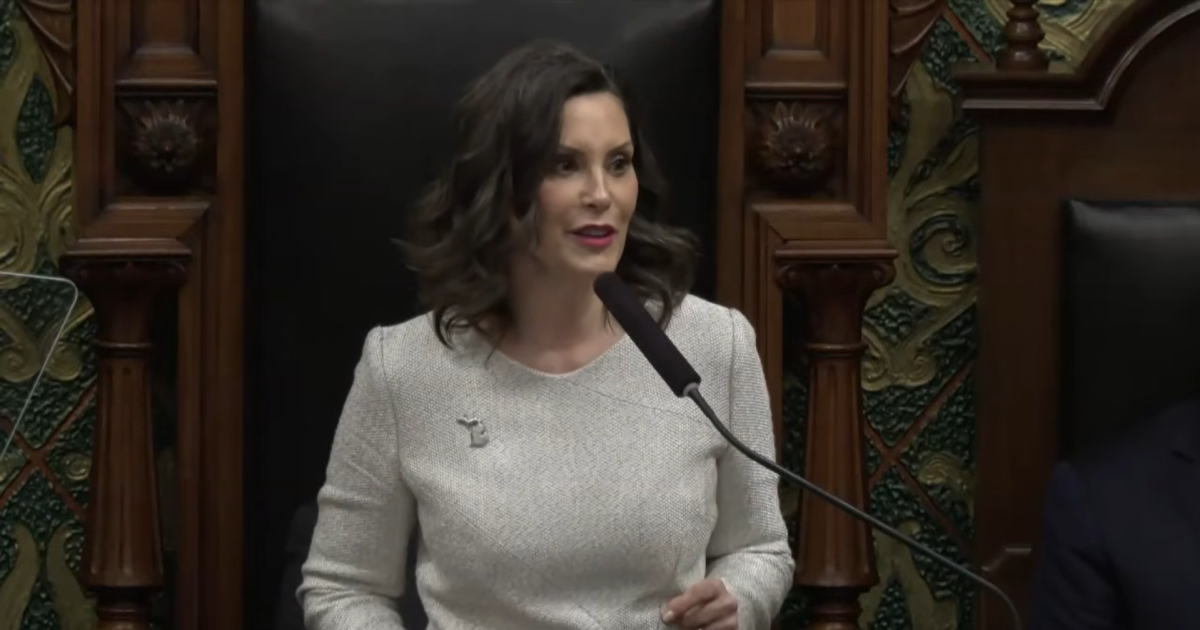
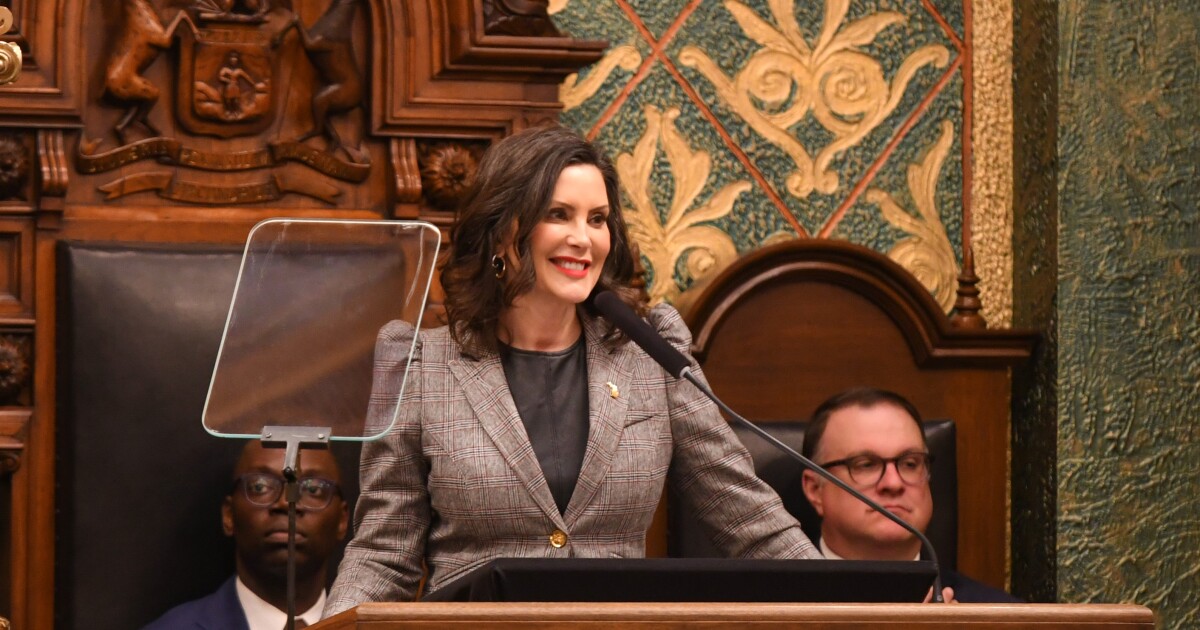
Governor Gretchen Whitmer supported the project, stating it would enhance Michigan’s competitiveness in AI and advanced computing sectors. However, skepticism remains. Nichole Biber, of the Little Traverse Band of Odawa Indians, shared her distrust: “These ‘meaningful guardrails,’ from what I’ve heard so far, are all on the assurances of DTE and the multibillion dollar corporations that are pushing AI and data centers on us.”
Calls for transparency were echoed by Maggie Kaercher, who criticized the redacted nature of DTE’s application. Attorney Katie Duckworth from the Environmental Law and Policy Center emphasized the need for proper scrutiny, noting the data center’s potential impact on Michigan’s climate change plans and renewable energy obligations.
DTE asserts the facility will boost renewable energy use and battery storage. Yet, Duckworth questions the future energy mix: “It raises a lot of questions including as to how those batteries would be charged and whether they will be charged by renewable energy, or whether it would involve prolonging the life of polluting fossil fuel plants or even building additional fossil fuel plants in the future.”
Oracle plans to open the data center by December 2026, reaching peak capacity by late 2027. As the Michigan Public Service Commission prepares to meet and decide on the approval, the community remains divided over the project’s potential benefits and drawbacks.
—
Read More Michigan News