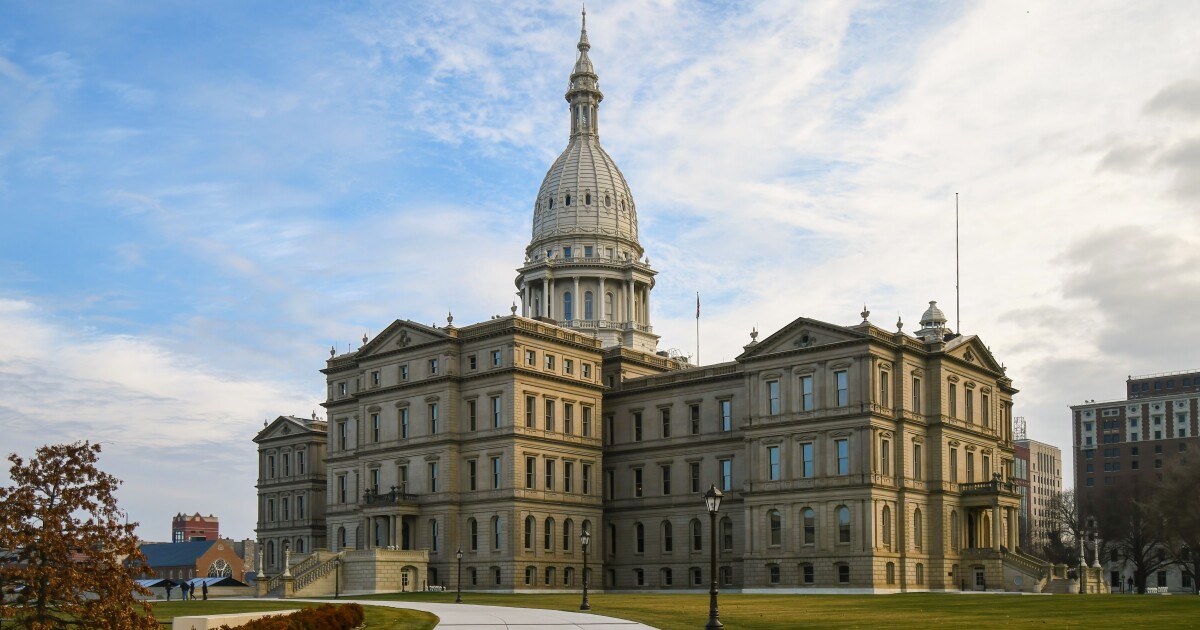
The debate over Michigan’s impending sick leave law heats up as a Senate committee examines a proposed bill to amend its provisions. With the law set to be implemented on February 21, businesses and lawmakers are racing against time to clarify its implications for both employers and employees.
The current law mandates that employees earn an hour of sick leave for every 30 hours worked. Larger businesses, defined as those with at least ten employees, must offer at least 72 hours of paid sick time annually. In contrast, smaller entities are required to provide 40 hours of paid sick leave, with an additional 32 hours unpaid.
State Senator Jeremy Moss (D-Southfield), who leads the Senate Regulatory Affairs Committee, emphasized the need for clarity. “We’re hearing from all sectors of our economy, from employers and employees about the path forward as we approach this February 21st deadline. And we’re going to be deliberative about it,” Moss stated.
The proposed bill seeks to redefine small businesses as those with fewer than 25 employees. This change would reduce the number of employees eligible for the full 72 hours of paid sick leave, a move supported by the business community.
The National Federation of Independent Business (NFIB) has been vocal about the need for exemptions for small businesses. “A small business exemption is so key,” remarked NFIB Michigan State Director Amanda Fisher. “The smaller businesses just don’t have the bandwidth.”
Another point of contention is the law’s tracking requirements for sick leave accrual, which could complicate existing employer benefits. The Michigan Department of Labor and Economic Opportunity has suggested that businesses can fulfill the requirement by providing all sick time at the year’s start. However, skepticism remains among business groups.
David Worthams of the Michigan Manufacturers Association voiced these concerns, saying, “We appreciate the interpretation that our friends from the Department of Labor and Economic Opportunity have laid out, saying, yes, you can frontload. But, at the end of the day, the statute doesn’t say that. So we need to get that clarified.”
Meanwhile, advocacy groups like Mothering Justice are urging lawmakers to retain the law in its current form until its effects are more evident. Danielle Atkinson, representing the group, argued, “Workers are expecting it, and we worked on this policy with a variety of people, business owners and experts throughout the country and we know that it is what Michigan people need and are calling for.”
Atkinson also addressed business concerns about potential misuse of sick leave, advocating for understanding and compassion. “Business lobbyists really need to understand how people live, love, and care. And we know that people are not abusing earned sick time because they need it for when they’re actually sick. And we also know that everyone gets sick, but unfortunately, not everyone has time to get well,” she said.
As the February 21 deadline looms, the bill’s fate remains uncertain. It could advance from the Senate committee soon, but it would still need approval from the Republican-led House of Representatives before reaching the governor. Meanwhile, House Republicans are promoting their own legislation, which is also under Senate committee review.
—
Read More Michigan News