Michigan Explores Virtual Power Plants to Enhance Grid Resilience
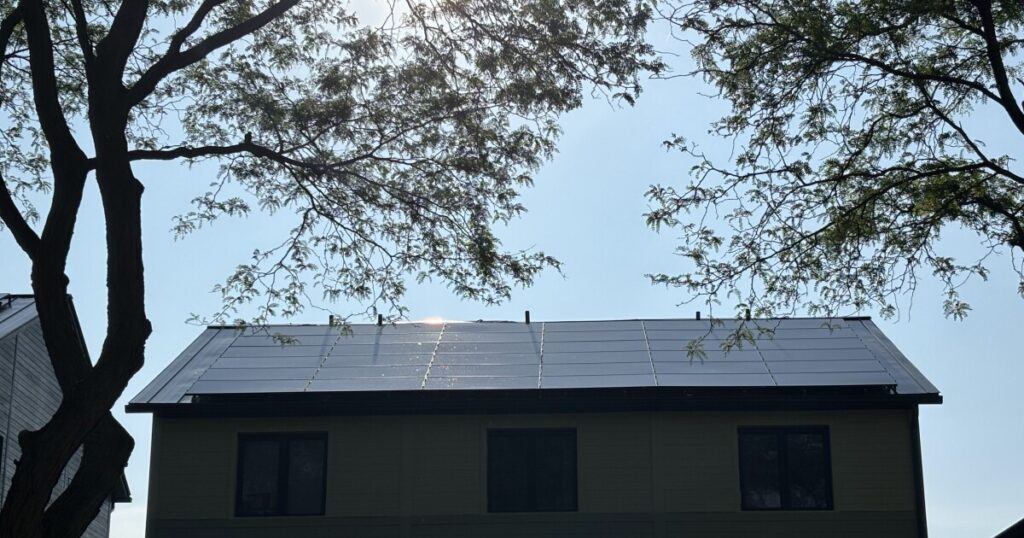
A new legislative proposal in the Michigan Senate aims to introduce a groundbreaking framework for “virtual power plants” (VPPs) in the state. These innovative systems are not conventional power facilities but rather networks that harness surplus energy from distributed sources like rooftop solar panels, allowing utilities to balance the grid more efficiently.
State Sen. Sue Shink, a Democrat and a co-sponsor of the bill, highlighted the potential benefits of VPPs during peak demand times. “Mostly it’s going to be summer afternoons when it’s super hot,” she noted, emphasizing that these periods coincide with peak solar energy production when air conditioning usage is at its highest.
The introduction of virtual power plants could reduce reliance on high-emission “peaker plants,” which are traditionally used to meet heightened energy demands. Shink explained, “It’s a way to avoid building more power plants, while making sure that people are accessing the kind of power that they need at those really intense times.”
Michigan is not alone in pursuing this strategy; similar initiatives have been implemented in states like Vermont, as reported here. These VPPs are expected to not only stabilize energy prices but also bolster the state’s grid reliability. “In Michigan, we have some of the highest prices and the worst reliability in the entire country,” Shink stated. “We can have a better system that is more reliable and costs us less. And this legislation can help us do that.”
Although the bill is still in its early stages and awaits consideration by a Senate committee, it has generated significant interest. However, Shink acknowledged the necessity for extensive dialogue to secure broad support for the initiative. “I think one of the hurdles is to work with the utility companies to gain their support,” she remarked. “Because oftentimes if they don’t support something, it doesn’t happen. We’ve seen that time and time again in Michigan.”
With the potential to transform Michigan’s energy landscape, the proposed legislation offers a promising path toward a more sustainable and resilient power grid.
—
Read More Michigan News