This story was originally published by Outlier Media. Sign up for Outlier’s newsletter.
This story is part of The Speculators of Detroit, which looks at how bad actors have destabilized neighborhoods, left many residents without safe housing and cost the city hundreds of millions.
Cryptocurrency Real Estate Venture Faces Collapse Amid Mounting Debts
An innovative real estate venture that tied digital token investments to rental properties in Detroit is now facing significant challenges. RealT, a cryptocurrency real estate company, has ceased almost all regular payouts to its investors and is drowning in financial obligations, including millions in unpaid property taxes and fines for blight.
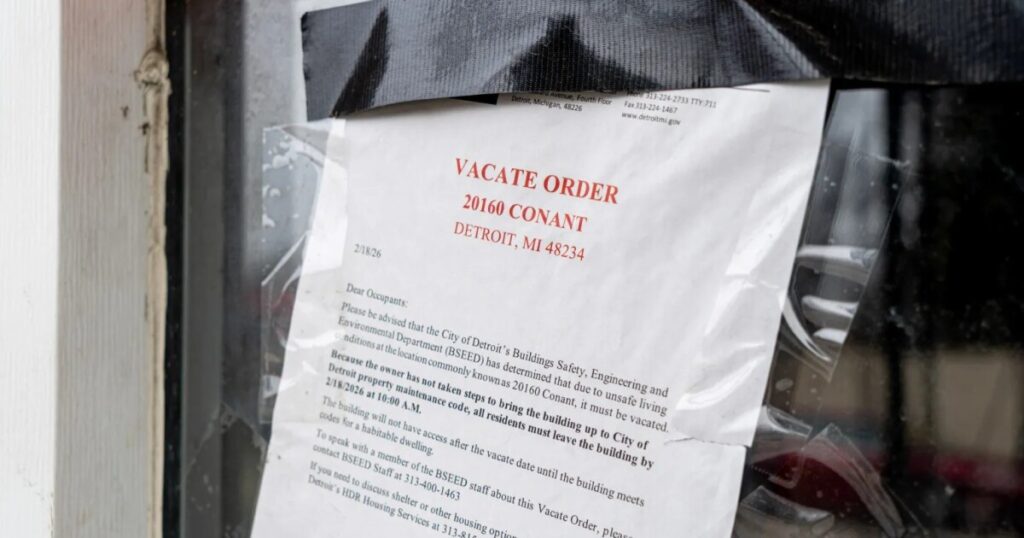
With over 300 Detroit properties at risk of tax foreclosure by the end of March, RealT’s financial model appears to be crumbling. The company’s business strategy revolved around selling digital tokens that represented fractional ownership of rental homes, with the promise of weekly returns from the rent collected. However, as financial and legal troubles escalate, this once-promising model is deteriorating, leaving tenants in dilapidated homes and investors with devalued tokens.
Legal Constraints and Management Issues
A court order now restricts how RealT utilizes rent proceeds. In a ruling by Judge Annette Berry, all rent collected must be deposited into an escrow account dedicated solely to property repairs. This decision is linked to a nuisance abatement lawsuit filed by the city against RealT, which has also revealed the deteriorating state of property management under the company’s in-house team, New Detroit PM.
Many tenants report unresponsive property management, and the company’s maintenance operations have largely ground to a halt. A former employee noted the dwindling workforce and challenging conditions, with widespread issues such as leaks, mold, and structural damages prevalent across properties.
RealT’s Operational Difficulties
With a portfolio of approximately 700 properties, RealT has struggled to maintain routine operations. Cortez Murphy, a former handyman with New Detroit PM, described overwhelming work conditions and alleged non-payment of expenses. He cited severe safety and health concerns in many homes, estimating that a significant portion required urgent repairs.
Despite these challenges, RealT’s attorney, Andrew Creal, maintained that the company is prioritizing emergency repairs but is hampered by cash flow issues exacerbated by city actions, including rent collection restrictions.
Tenants’ Plight and Investor Concerns
Tenants like Shantel Wade and Calvin Sledge have endured harsh living conditions, including lack of heat and pest infestations. Wade, who has lived in her home for over a decade, expressed distress over the situation, while Sledge was forced to relocate after his apartment was condemned.
RealT has admitted to financial strains in communications with investors, acknowledging its inability to cover insurance, maintenance, or legal costs without additional funds. Plans to liquidate parts of its Detroit portfolio have been complicated by legal notices tied to the city’s lawsuit, potentially deterring buyers due to the associated liabilities.
Detroit officials are preparing for the possibility of RealT’s collapse, with strategies in place to manage the necessary repairs and upkeep of affected properties. The city remains poised to intervene if necessary, ensuring residents’ safety and property integrity.
This article first appeared on Outlier Media and is republished here under a Creative Commons Attribution-NonCommercial-NoDerivatives 4.0 International License.
—
Read More Michigan News