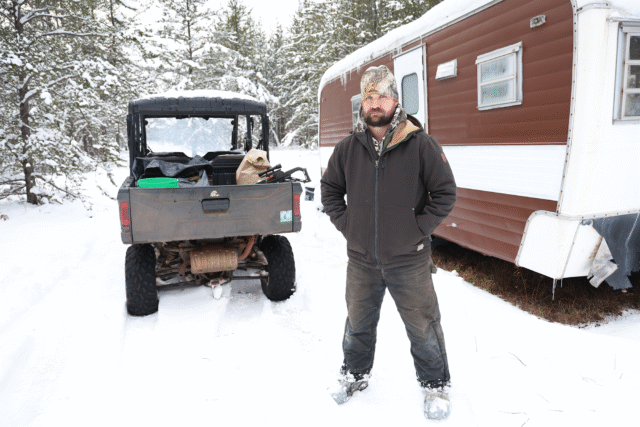
In Michigan’s Upper Peninsula, gun culture is a deeply rooted tradition, especially during hunting season. Dustin Milner, a local outdoorsman, cherishes family hunting trips to Little Lake. Surrounded by nature, they’d share stories, while understanding the importance of firearm safety ingrained from childhood. Rural Michigan communities have long upheld this culture, using firearms for both hunting and self-defense.
“My kids know that if there’s a firearm anywhere around, they don’t touch them. Most hunters around here that have kids teach them the same concept,” Milner shared.

Research indicates rural children and teens face heightened risks of unintentional firearm injury and suicide. With firearm injuries being the top cause of youth fatalities in the U.S., Cynthia Ewell Foster from the University of Michigan launched a secure firearm storage program. Teaming with Sarah Derwin of the Marquette County Health Department, they introduced Store Safely, an online initiative designed to prevent gun misuse and injuries in rural areas.
Marquette County, home to 66,000, reported 56 suicide-related deaths from 2017-20, with 31 involving firearms. The Upper Peninsula sees some of the state’s highest suicide rates, largely driven by firearms.

Initial results from the Store Safely pilot were promising. Among 43 rural families surveyed:
- 98% engaged with the program’s components.
- 86% completed a firearm safety checklist.
- 40% made storage changes, such as buying gun locks or safes.
Additionally, 80% felt the program was culturally sensitive and would recommend it to others. This initiative is crucial, as research suggests secure storage can reduce firearm risks by 75%-80%.
Ewell Foster noted, “It becomes more of an available means for kids when they’re not doing well… Store Safely is really meant to focus on ensuring that lethal means aren’t easily accessible to kids in distress.”
Trusted messages and messengers
Despite well-intended advice that homes without guns are safest, families committed to firearm safety may not find these messages effective. Early research showed only 12% prioritized secure storage as a crucial safety element. Some residents felt quick access was necessary for protection.
Ewell Foster, Derwin, and colleagues, including Cheryl King and Christina Magness, developed Store Safely with community feedback. “Having been born and raised here, I understand the significance of hunting and gun ownership,” Derwin said. The program was designed to resonate with rural families’ values.

With CDC funding, the team seeks 600 families for the program. Eligible families in Michigan’s Upper Peninsula, with children under 18 and at least one firearm, can contact storesafely@med.umich.edu.
Derwin remarked, “Talking about firearms can feel controversial… I’ve leaned on community connections, including trusted messengers in law enforcement, to share Store Safely across the UP.”
The project also involved a 35-member advisory board, with representatives from various sectors, including health care and law enforcement.
Milner, who secures his firearms, emphasized, “We don’t see a lot of tomfoolery or shenanigans when it comes to guns up here,” highlighting the community’s commitment to safety.
—
Read More Michigan News