NEW YORK (AP) — Economic policies can often have unintended consequences, and President Donald Trump’s tariff strategy has sparked a wave of reaction across the United States. Nelson Vandermeer, a former product designer at Howard Miller, felt the impact personally when the Zeeland, Michigan-based clockmaker shut its operations due to reliance on overseas parts.
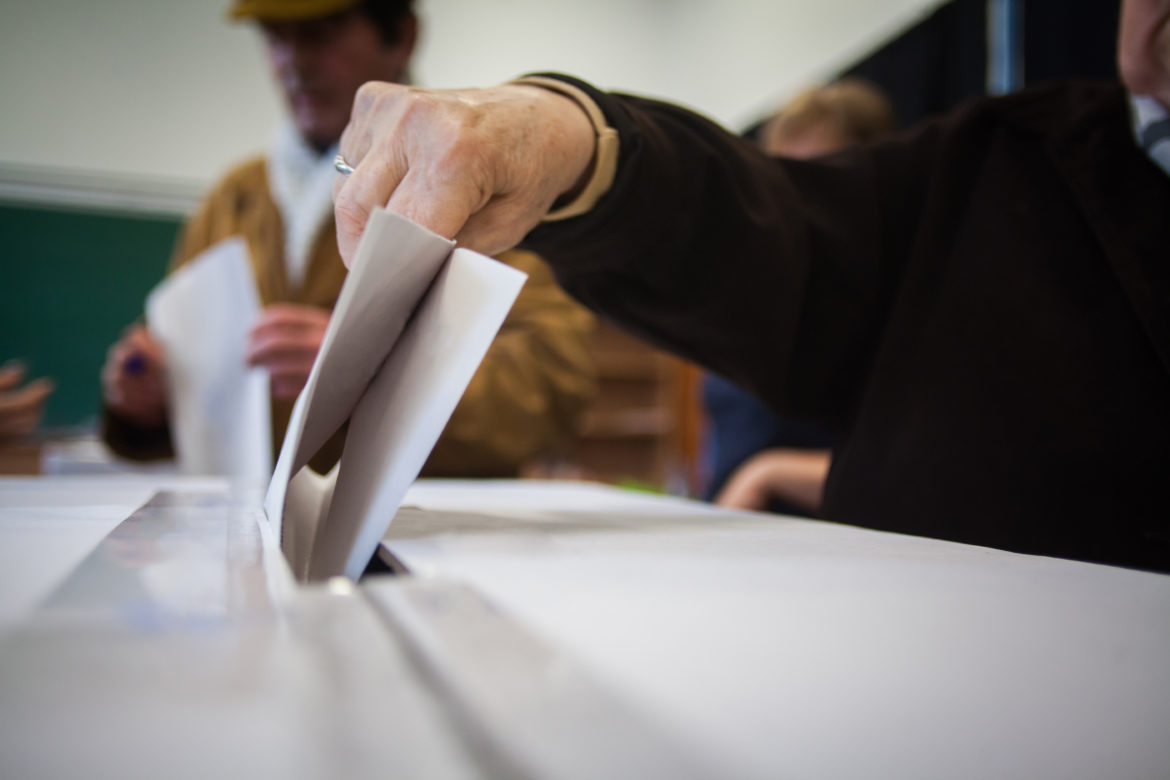
Despite supporting Republican candidates for years, Vandermeer has decided to vote Democrat in the midterms. His shift in allegiance stemmed from the closure of his company, which was attributed to the tariffs that were meant to revitalize American manufacturing but instead led to job cuts.
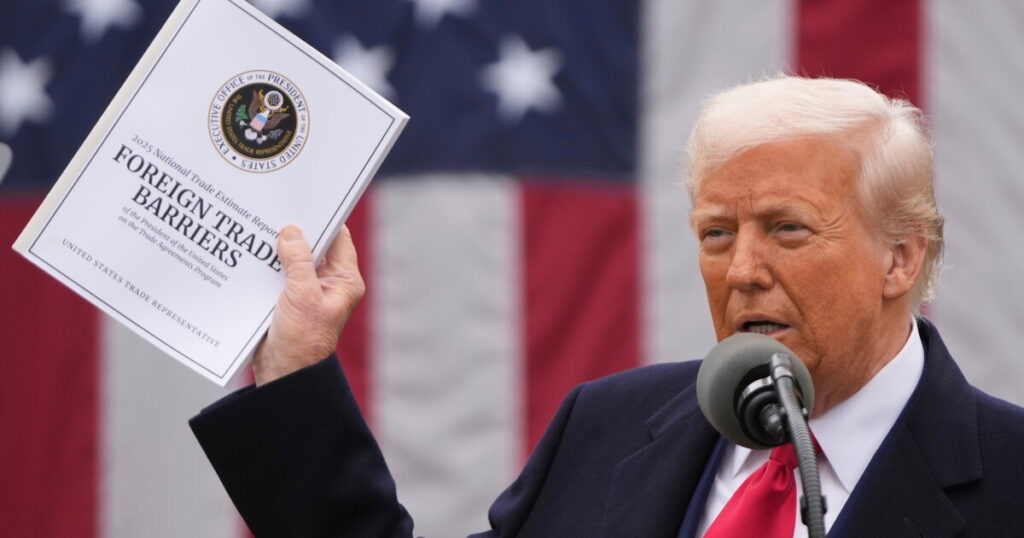
While Trump’s administration asserts that the tariffs are paving the way for future manufacturing jobs, with spokeswoman Taylor Rogers highlighting an uptick in factory construction, the immediate effects have yet to fulfill the promises of a manufacturing revival. The manufacturing sector still lags behind its employment levels from January 2025.
Impact on Swing States
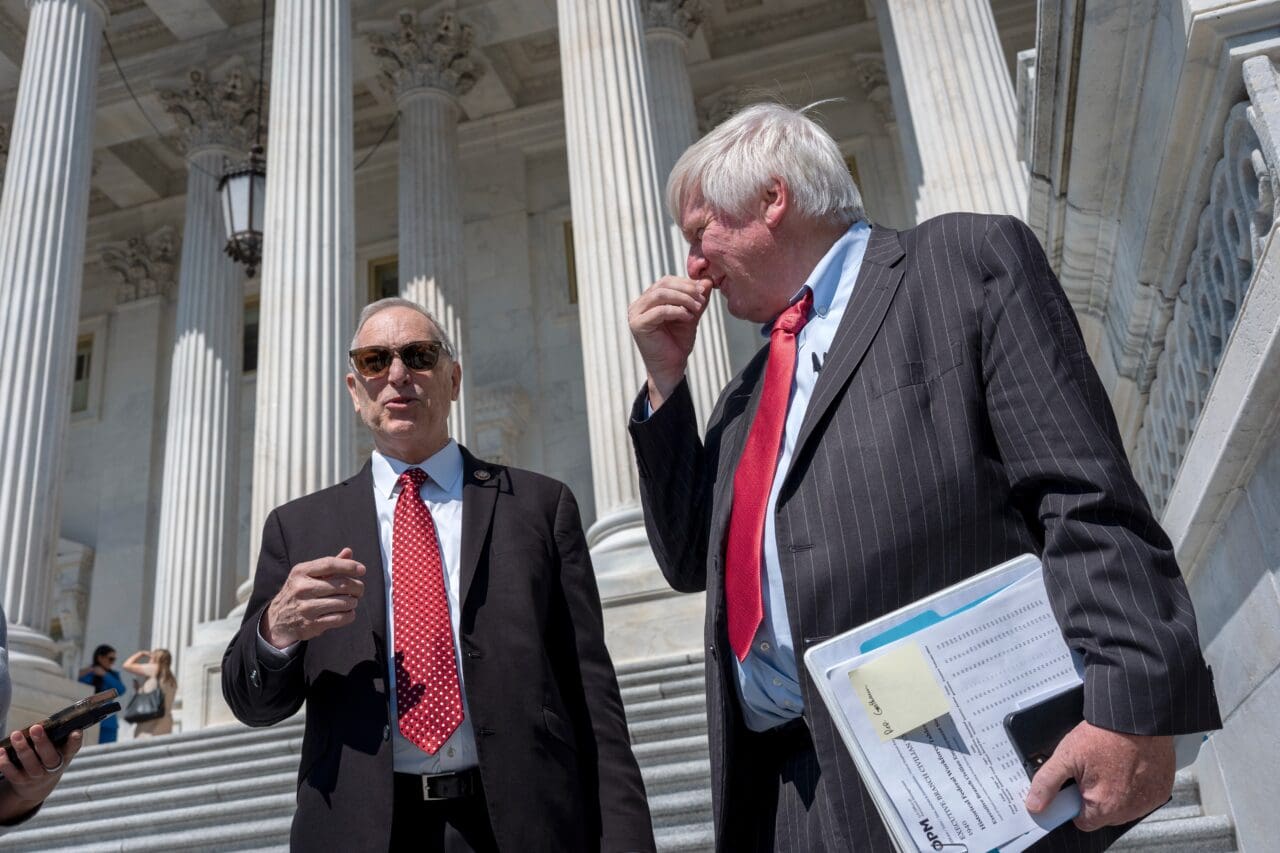
Vandermeer’s experience is echoed in several battleground states where job losses are mounting. In Michigan’s 4th Congressional District, represented by Republican Bill Huizenga, the tariffs have become a contentious issue. Although Huizenga initially supported the tariffs, his Democratic opponent, state Senator Sean McCann, criticizes him for not supporting measures to control these tariffs.
Similar scenarios are unfolding in key states like Kansas, Iowa, and Ohio. In Iowa, the closure of a Case manufacturing plant in Burlington led to significant job losses, influencing voters like Tracy Chew, who once supported Trump but now leans towards Democratic candidates.
Companies like Winnebago Industries and Vornado Air faced layoffs due to increased costs of imported raw materials. The repercussions of the tariffs are visible as these firms struggle to maintain their workforce amidst rising expenses.
Trade Policies Under Scrutiny
President Trump’s approach to trade is under intense scrutiny, with many Americans expressing dissatisfaction. A poll by The Associated Press-NORC Center for Public Affairs Research revealed a decline in approval ratings for Trump’s trade negotiations, dropping from 4 in 10 in March to just 3 in 10 by September.
Tariffs targeting countries like Brazil and China have been criticized for their broad application. The Supreme Court’s decision against Trump’s emergency tariff measures has further complicated the trade landscape, leaving businesses in a state of flux.
Even though some Republicans remain loyal to the party, citing other policy considerations, the unpredictable nature of the tariffs has led to frustration among business leaders and workers alike. Koby Bird, a retired quality control worker from South Carolina, noted the difficulties companies faced in planning under fluctuating tariff conditions.
Discontent Among Workers
Union representatives, such as Wendell Young from Pennsylvania, have observed a shift in sentiment among workers, many of whom are disillusioned by the promised economic benefits of the tariffs. The layoffs at companies like Post Holdings and Trivium Packaging have fueled skepticism about the effectiveness of the tariffs in boosting local employment.
Heather Kingston, a former Trivium worker, expressed doubts about the success of the tariffs, particularly as manufacturing jobs remain scarce in her area. Her experience reflects a broader uncertainty among voters who are reconsidering their political choices in light of economic challenges.
—
Read More Michigan News


![Botched Ad Mix-Up: Super PAC Error in Arizona Congressional Race[embed]https://www.youtube.com/watch?v=bEMgIlCkHz0[/embed]](https://www.kitchentablenews.org/wp-content/uploads/2026/10/Botched-Ad-Mix-Up-Super-PAC-Error-in-Arizona-Congressional-RaceembedhttpswwwyoutubecomwatchvbEMgIlCkHz0embed.com2F0e2F962Fe971102f49e7a4f2a64fd3cc60a22Fjonatha.png "Botched Ad Mix-Up: Super PAC Error in Arizona Congressional Race[embed]https://www.youtube.com/watch?v=bEMgIlCkHz0[/embed]")