The landscape of immigration policy in the United States has undergone significant changes during President Trump’s administration, with more than 1.6 million immigrants losing their legal status within the first 11 months. This number eclipses the population of Philadelphia, highlighting the scale of this shift.
Legal pathways that once provided deportation protections, such as various visa programs and temporary protected status (TPS), have been dramatically narrowed. According to immigration advocates, the official number may underestimate the true impact.
Todd Schulte, president of the advocacy group FWD.us, criticized the administration, saying, “These were legal pathways. People did the thing the government asked them to do, and this government went and preemptively revoked that status.”
Many affected immigrants have resided in the U.S. for years and now face uncertainty as the administration pushes for expedited departures. U.S. Citizenship and Immigration Services spokesperson Matthew Tragesser stated, “The American taxpayer will no longer bear the financial burden of unlawfully present aliens.”
A Shift in Legal Immigration Paths
In a move to reduce existing legal immigration routes, Homeland Security Secretary Kristi Noem recently announced the suspension of the diversity visa lottery program. As explained in a social media post, the decision was influenced by a high-profile criminal case involving a lottery recipient. While this change does not affect current residents, the program’s future remains uncertain.
The administration’s broader strategy to limit both legal and illegal migration has been articulated by Karoline Leavitt, the White House press secretary. She emphasized, “Having a visa in the United States is not a right. It is a privilege,” signaling the administration’s intent to revoke such privileges more readily.
Programs and Permissions at Risk
Since taking office, President Trump signed an executive order canceling a program allowing migrants from Cuba, Haiti, Nicaragua, and Venezuela temporary entry. The Supreme Court later upheld this decision, affecting thousands of Haitians and others who had legally entered the U.S. under humanitarian parole.
The Department of Homeland Security (DHS) has ended TPS for ten countries, affecting thousands. For instance, the termination of TPS for Syrians, impacting approximately 3,800 individuals, is currently stalled in court. Similar legal challenges surround Venezuela’s TPS designation, though some beneficiaries retain their status until 2026.
Schulte noted that while the government has historically ended specific TPS designations, it typically required evidence of improved conditions in those countries. However, recent statements, including those by Trump on Afghanistan and Haiti, suggest otherwise.
DHS has offered monetary incentives for voluntary departure, but details on uptake remain unclear. Lawsuits continue to challenge the TPS terminations, and some individuals might seek alternative protections.
End of CBP One and Other Programs
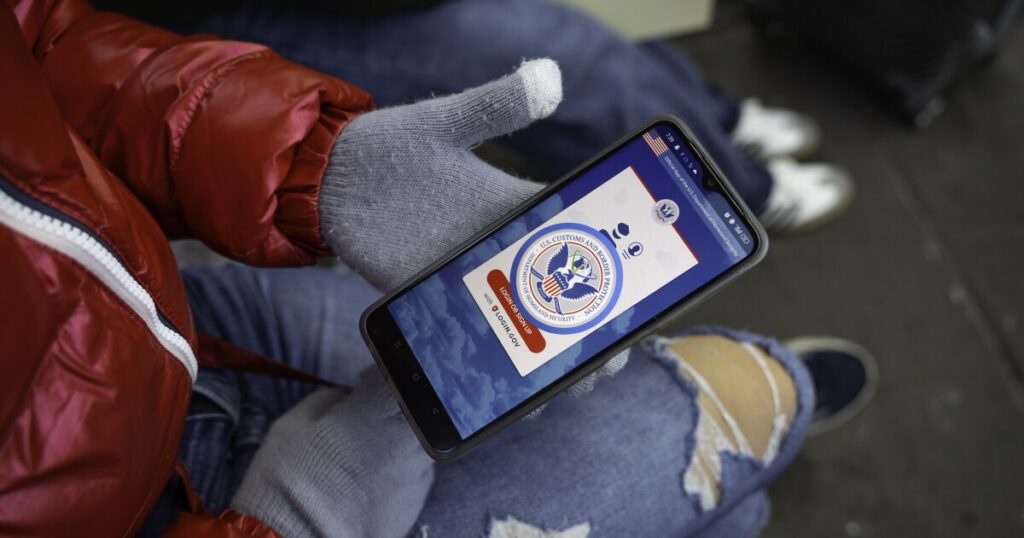
The termination of the CBP One app, which facilitated asylum appointments, has left many in limbo. Between 2023 and January 2025, over 936,000 people entered the U.S. via this app. Following its cancellation, many faced detention or were urged to leave the U.S.
Among those affected is Grebi Suárez, a Venezuelan who has recently acquired his work permit but remains anxious, fearing deportation notices similar to those received by friends.
Visa revocations have also increased significantly, with over 85,000 visas canceled this year. According to a State Department official, this includes more than 8,000 student visas, with criminal activities like DUIs cited as primary revocation reasons.
Further, the termination of the Family Reunification Parole program, affecting 14,000 individuals mainly from Central and South America, underscores the administration’s broader immigration agenda.
Future Cancellations Loom
With numerous TPS designations set to expire in 2026, immigrants from countries like El Salvador, Lebanon, Somalia, Sudan, Yemen, and Ukraine face an uncertain future. The potential end of these programs could mark a significant shift in U.S. immigration policy.
The temporary pause and subsequent resumption of the Uniting for Ukraine program earlier this year exemplify the ongoing challenges faced by Ukrainians, including Viktoriia Panova, whose work permit expiration has left her in a state of uncertainty.
—
Read More Michigan News