Updated August 7, 2025 at 11:18 AM EDT
In a surprising development, President Trump announced plans for a new census that would exclude undocumented immigrants, a significant deviation from past U.S. census practices. This move, if implemented, would mark a historic shift from the census’s traditional methodology since its inception in 1790.
President Trump’s announcement via social media outlined his directive to the Commerce Department to initiate this new census using “the results and information gained from the Presidential Election of 2024.” The rationale behind linking the census to election outcomes remains unclear.
The U.S. Constitution, specifically the 14th Amendment, mandates that the “whole number of persons in each state” be counted for electoral representation purposes. However, the president does not have unilateral control over the census, as Congress holds the authority to dictate the census’s conduct under Article 1. Title 13 of the U.S. Code prescribes a decennial census schedule led by the secretary of commerce. Although a mid-decade census is permissible, its findings cannot influence the apportionment of congressional seats or Electoral College votes.
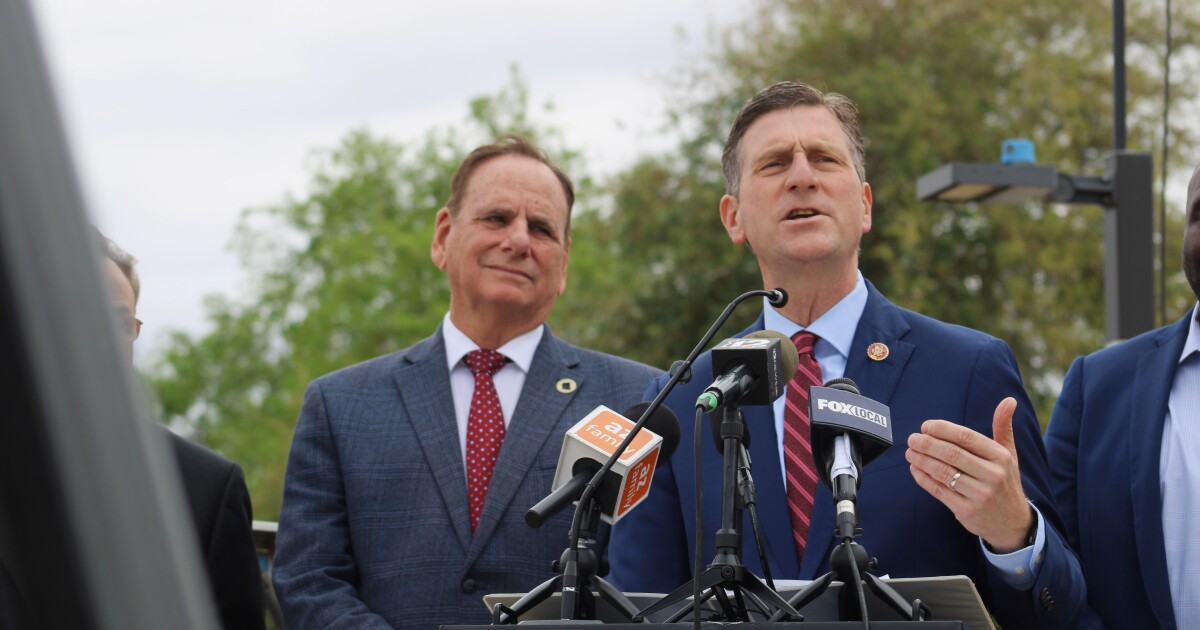
In parallel, a House bill from Rep. Marjorie Taylor Greene aligns with Trump’s proposal, advocating for a new census and redistricting that excludes noncitizens before the 2026 midterm elections. Trump expressed confidence in this legislation, declaring, “It’s going to get in. It’s going to pass, and we’re going to be very happy.”
There have been renewed efforts among Republicans to exclude non-citizens, including green card holders, from the 2030 census apportionment counts. Trump’s recent comments coincide with his efforts to boost the GOP’s representation in the U.S. House through redistricting, particularly in Texas, igniting a nationwide political standoff.
Trump’s Previous Census Efforts Blocked
Trump’s current census initiative echoes his prior attempts during his first term, which were legally challenged. The U.S. Supreme Court blocked the addition of a citizenship question to the 2020 census and refrained from ruling on excluding undocumented immigrants from apportionment counts. Former President Joe Biden’s 2021 executive order upheld the inclusion of all residents in census counts, which Trump later revoked.
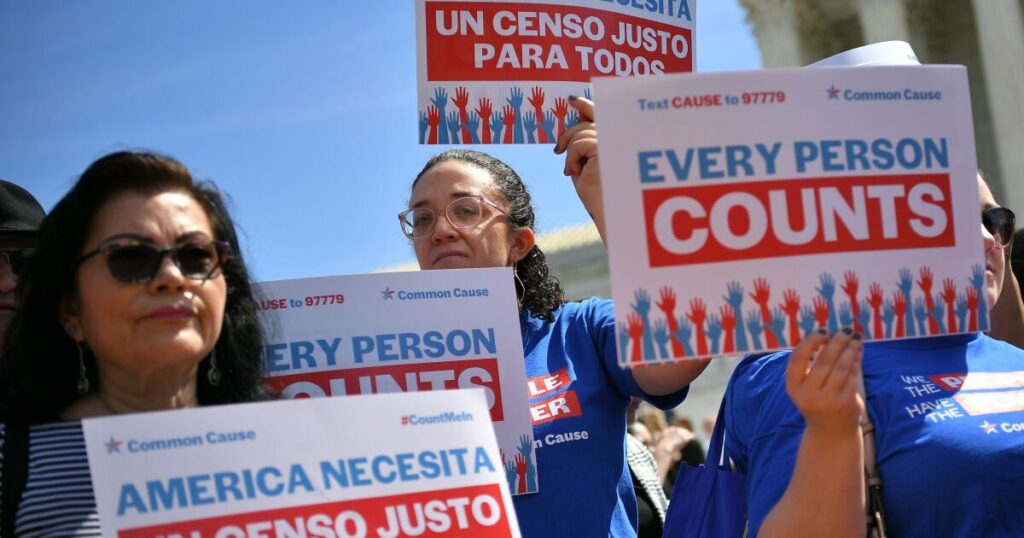
Research by the Census Bureau indicates that including a citizenship question in the decennial census could lead to inaccurate data and discourage participation from Latino and Asian American households. The bureau’s researchers have also warned of the significant costs and potential inaccuracies associated with collecting detailed citizenship data.
The Supreme Court previously found the Trump administration’s justification for a citizenship question “contrived,” leading to a 2019 executive order outlining alternative reasons for collecting such data, including immigration policy and public benefit eligibility.
Legal Challenges Anticipated
Trump’s recent census announcement is expected to provoke legal battles similar to those seen in his first administration. Any changes to the 2030 census could be reversed by a future administration or Congress before the census forms are finalized. The focus on excluding undocumented immigrants could heighten reluctance to participate, especially in immigrant and Latino communities.
Despite previous census inquiries about citizenship, Trump’s proposal to directly question every household’s citizenship status breaks with historical precedent. The federal government has never undertaken such a comprehensive approach in its national head counts.
—
Read More Michigan News