The upcoming ballot in Michigan has a unique question: Should the state hold a constitutional convention? This question pops up like clockwork every 16 years, with little fanfare and no major campaign driving it.
Understanding the Ballot Question
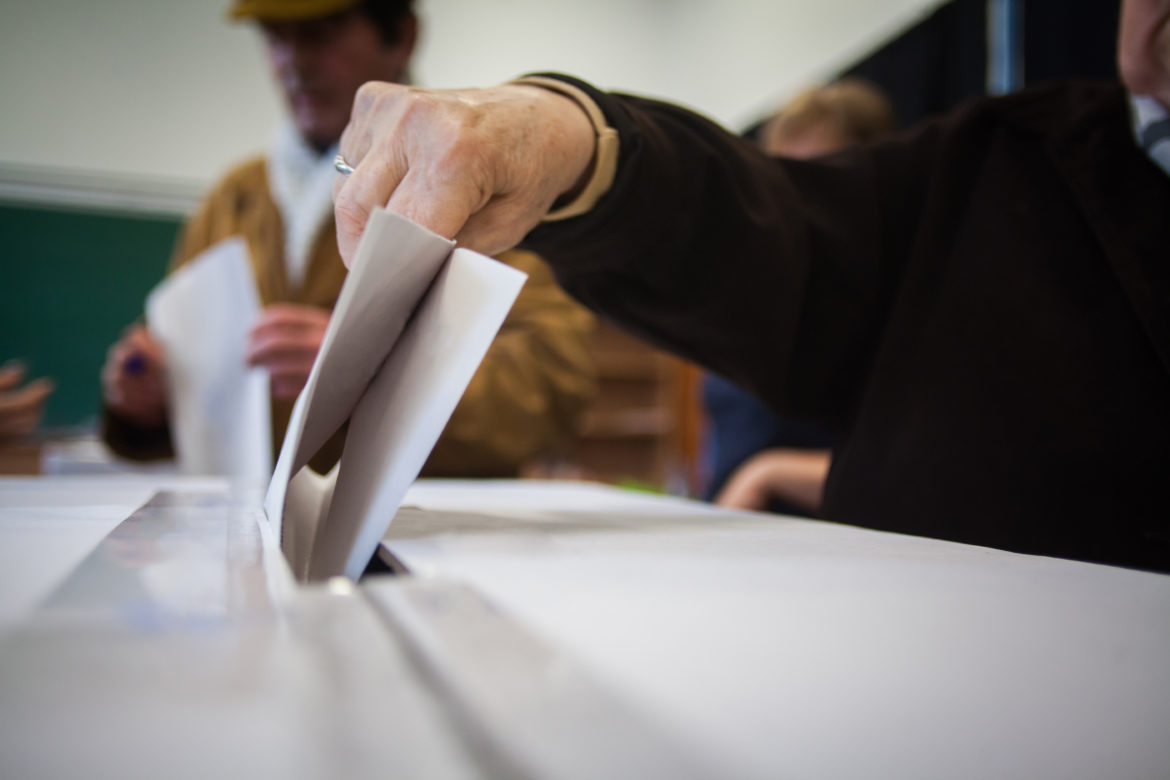
Michigan voters will see the following Con-Con question: “Shall a convention of elected delegates be convened in 2027 to draft a general revision of the state constitution for presentation to the state’s voters for their approval or rejection?” This peculiar event is mandated by Michigan’s Constitution, which since 1963, requires the question to appear every 16 years.
If voters approve the convention, a subsequent election will occur within six months to select delegates. Each of Michigan’s 110 representative districts and 38 senate districts will elect one delegate. These delegates will meet in Lansing by October 2027 to draft a new constitution.
Delegates are compensated $500 bi-monthly, capped at $7,500 under current law. If a delegate steps down, the governor appoints a replacement. Once a draft is completed, it goes to voters for approval. If rejected, the current constitution remains.
Historical Context
Michigan’s practice of revisiting its constitution dates back to the 1850 constitution. This tradition persists as a way to ensure the state’s governing document aligns with contemporary needs.
The Debate: For or Against?
Opinions differ on whether Michigan’s constitution still serves its purpose. Republican state House Speaker Matt Hall expressed support for the convention, stating, “After years, you got to change some things,” during the It’s Just Politics podcast. He criticized the current constitution for being cluttered with excessive amendments.
Conversely, groups like Protect MI Constitution from Special Interests argue against a convention, fearing it could lead to extensive lobbying and unwanted changes.
Pros and Cons of a Constitutional Convention
The potential benefits of a convention include the opportunity to modernize the constitution and address outdated elements. However, the process could be costly, time-consuming, and may fail if the new draft is rejected by voters. Additionally, there are no specific limits on the changes delegates might propose.
Ultimately, Michigan voters hold the power to decide both the delegates and the fate of any proposed constitutional changes.
—
Read More Michigan News


![Botched Ad Mix-Up: Super PAC Error in Arizona Congressional Race[embed]https://www.youtube.com/watch?v=bEMgIlCkHz0[/embed]](https://www.kitchentablenews.org/wp-content/uploads/2026/10/Botched-Ad-Mix-Up-Super-PAC-Error-in-Arizona-Congressional-RaceembedhttpswwwyoutubecomwatchvbEMgIlCkHz0embed.com2F0e2F962Fe971102f49e7a4f2a64fd3cc60a22Fjonatha.png "Botched Ad Mix-Up: Super PAC Error in Arizona Congressional Race[embed]https://www.youtube.com/watch?v=bEMgIlCkHz0[/embed]")