The University of Michigan has updated its sustainability goals to reduce waste and enhance resilient campus landscapes. These new objectives replace those set in 2011, incorporating over a decade of experience, evolving operational needs, and increased interest in campus sustainability from students, faculty, and staff. The revised goals include indicators that better represent current campus systems, addressing limitations of the previous framework that no longer align with modern data and practices.
Aligned with the Look to Michigan vision, the goals aim to bolster environmental stewardship and climate action. “Reaching for these goals strengthens the systems that support a healthy, resilient campus,” stated Shana Weber, associate VP for campus sustainability. The waste reduction goal targets minimizing waste, enhancing recycling and composting, and promoting reuse. The resilient grounds goal focuses on expanding naturalized areas, minimizing synthetic chemicals, and improving stormwater quality, with indicators refined over time as new data systems are developed.
The goals support the Campus Plan 2050 by promoting naturalized landscapes and evaluating stormwater strategies. Developed through a structured review process, they involved student focus groups, operational units, faculty, and sustainability experts to ensure alignment with academic research and campus operations. Key partners like Custodial & Grounds Services and Waste Management Services provided essential insights.
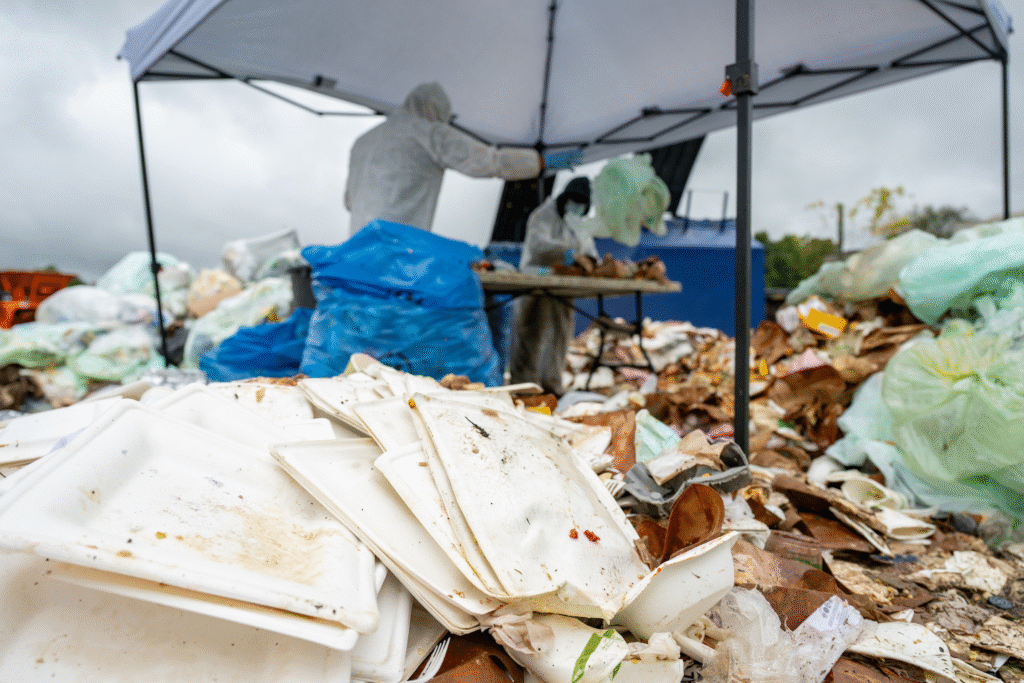
Waste: Shifting Toward Reduction and Circularity
The updated waste goal shifts focus beyond recycling, addressing the amount of waste generated and material flow through campus. The framework, extending to 2037, recommends a separate material reuse goal by 2030, shaped by a committee with stakeholders such as Michigan Medicine and Procurement Services. Key components include reducing overall waste per person, enhancing recycling rates, decreasing construction waste, and aligning purchasing to minimize inputs.
Momentum is building, with the university hosting over 500 zero-waste events last year, diverting 10 tons of student move-out material, and rehoming $776,000 in reusable lab materials. Standardized waste stations and educational efforts support these outcomes.
Resilient Grounds: Supporting Ecosystem Health
The resilient grounds goal aims to improve biodiversity, soil health, and sustainable land management across U-M campuses, supporting ecological resilience and enhanced stormwater systems. Expectations through 2035 include reducing chemical use and expanding naturalized landscapes. The goal targets a 70% reduction in chemicals by 2030, eliminating specific herbicides by 2030, and expanding naturalized landscapes to 75%.
Informed by Data and Campus Input
The updated goals emerged from extensive cross-campus engagement, assessing operational feasibility and environmental impact. “This work reflects the wisdom and contributions of many people across the university,” said Weber, highlighting a shared direction for resilience and future generations of Wolverines.
What’s Next
University units will integrate the new goals into planning and operations, with progress reported annually on the Office of Campus Sustainability website. The goals enhance alignment between U-M’s operations and academic mission, supporting applied research and advancing sustainability in higher education.
—
Read More Michigan News