U.S. Automakers Face Challenges with New Tariff Agreement on Japanese Vehicles
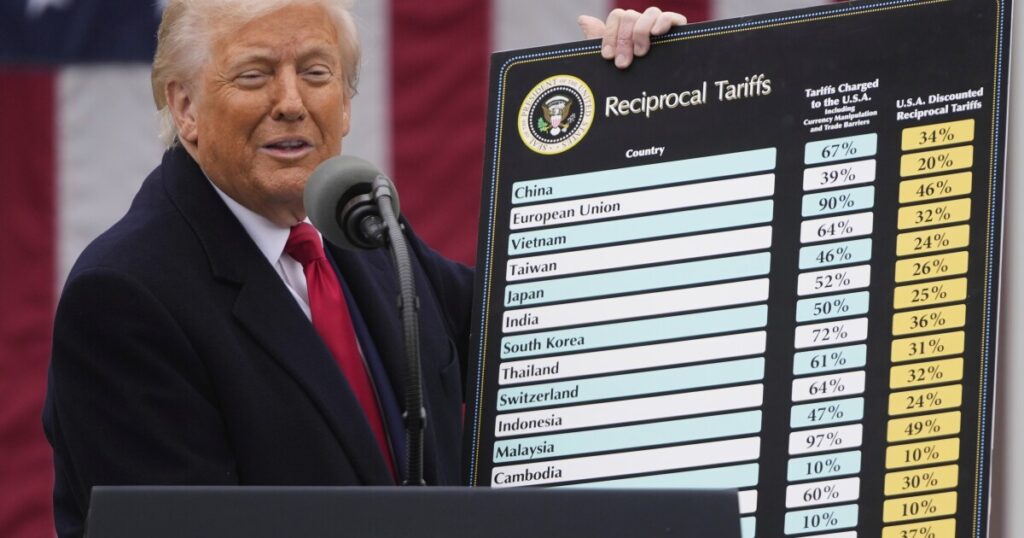
The recent tariff agreement between the United States and Japan is causing a stir among American automakers, who fear that the new terms could place them at a competitive disadvantage. The deal, which imposes a 15% tariff on Japanese vehicles, is seen as potentially unfavorable to U.S. companies due to higher import taxes on crucial materials and parts.
Matt Blunt, president of the American Automotive Policy Council, representing General Motors, Ford, and Stellantis, expressed concerns: “We need to review all the details of the agreement, but this is a deal that will charge lower tariffs on Japanese autos with no U.S. content.” U.S. automakers face a 50% tariff on steel and aluminum and a 25% tariff on parts and finished vehicles, with certain exceptions under the United States-Mexico-Canada Agreement of 2020.
The reaction from domestic automakers highlights the complexities of global trade policies. Despite the potential for economic growth, such policies could have adverse impacts, especially in states like Michigan and Wisconsin, where the auto industry is a major economic driver.
The United Auto Workers union expressed its dissatisfaction, stating, “A better deal would have held Japanese automakers to the same standards U.S. workers have fought for at GM, Ford, and Stellantis.” The union emphasized the need for trade deals that elevate standards rather than promote a “race to the bottom.”
Trump’s administration portrayed the agreement as a significant victory, suggesting it would boost job creation in the U.S. and address trade imbalances with Japan. The framework also includes a $550 billion investment from Japan into U.S. projects.
Despite these assurances, skepticism remains about the effectiveness of the deal in opening the Japanese market to American vehicles. Blunt noted that foreign automakers hold only a 6% market share in Japan, questioning whether the agreement would lead to substantial changes.
White House press secretary Karoline Leavitt mentioned that the Commerce Department is involved in reviewing potential changes to sectoral tariffs, including those on autos. The current agreement may provide Japan with a cost advantage over other foreign automakers and some U.S. products that rely heavily on foreign parts.
Autos Drive America, representing major Japanese automakers like Toyota, Honda, and Nissan, welcomed the trade framework and encouraged similar agreements with other countries. The organization highlighted the consistent production levels of its members in the U.S. over the past two years.
The agreement might prompt automakers and other nations to seek changes in the existing tariff regime. While flexibility in negotiating import taxes has been valued by the administration, the U.S.-Mexico-Canada Agreement will be up for review next year.
According to Sam Fiorani, vice president at AutoForecast Solutions, the Japanese brands already produce most of their high-volume models in North America, reducing the impact of the new tariffs. He noted, “There will be negotiations between the U.S. and Canada and Mexico, and it will probably result in tariffs no higher than 15%.”
—
Read More Michigan News