Article Summary –
Rite Aid is facing another bankruptcy filing, resulting in plans to close or sell store locations, prescription files, and other assets, with operations continuing temporarily despite not restocking inventory, leading to increasingly empty shelves. Customers can still utilize services such as filling prescriptions and immunizations during this transition, although rewards points and gift cards will soon become obsolete, and prescription records are to be sold to other pharmacies, though not necessarily nearby ones. Financial struggles, increased theft, opioid-related court settlements, and customer shifts to online shopping and discount stores have led to Rite Aid’s decline, which has similarly impacted competitors like Walgreens and CVS Health.
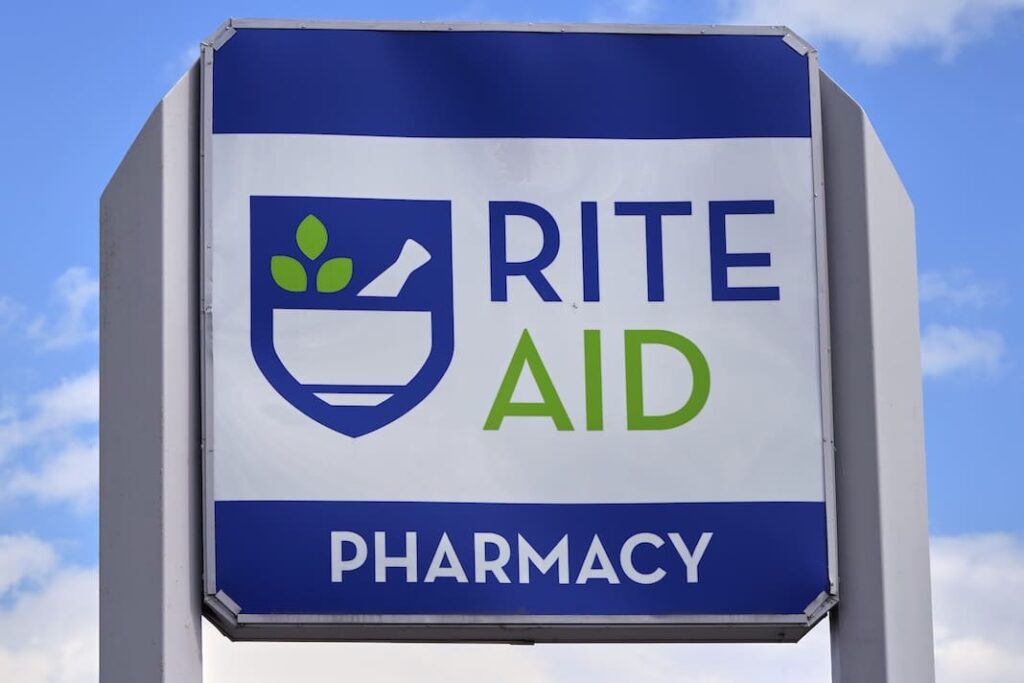
Rite Aid customers may soon see their local stores close or change hands as the struggling drugstore chain undergoes another bankruptcy filing.
Rite Aid plans to sell prescription files, inventory, and other assets, closing distribution centers and selling store locations. Although stores will stay open temporarily, the company is not replenishing inventory, likely leading to more empty shelves.
“I think we’ll see stores becoming more and more spartan,” stated retail analyst Neil Saunders.
The company operates 1,245 stores across 15 states, heavily concentrated in New York, Pennsylvania, and California, which has 347 stores.
How long will stores remain open?
Rite Aid indicates that most locations will remain open for a few months. Eventually, all stores will close or be sold to new owners.
During this period, customers can continue filling prescriptions, getting immunizations, and shopping in stores or online. However, Rite Aid will discontinue issuing customer rewards points, and starting next month, gift cards, returns, and exchanges will no longer be honored.
What will happen to my prescription records?
Rite Aid aims to sell prescription records to another pharmacy, grocer, or retailer. The goal is to ensure a “smooth transfer” of prescriptions to other pharmacies.
However, there is no assurance these files will be moved to a nearby retailer, which could be challenging for rural stores located miles from other pharmacies, explained Saunders of GlobalData.
Prescription files are valuable as they help the acquiring pharmacy connect with regular customers.
How did Rite Aid get to this point?
Rite Aid, based in Philadelphia, had been shuttering stores and experiencing losses for years before its first bankruptcy in 2023. The company regards a return to Chapter 11 bankruptcy as its “only viable path forward.”
Rite Aid has faced increasing financial strain due to shrinking prescription profits, rising theft, opioid prescription settlements, and a consumer shift towards online shopping and discount retailers.
Meanwhile, Walgreens, with over six times the number of stores as Rite Aid, agreed in March to be acquired by Sycamore Partners, and CVS Health has also closed stores.
—
Read More Michigan News