Environmental groups and the Confederated Salish and Kootenai Tribes are challenging the federal government’s approval of a Montana law easing water quality standards. They argue the U.S. Environmental Protection Agency’s decision to approve House Bill 664 violates the Clean Water Act. The lawsuit claims the EPA did not consult with the U.S. Fish and Wildlife Service to evaluate impacts on endangered aquatic species like Arctic grayling and bull trout.
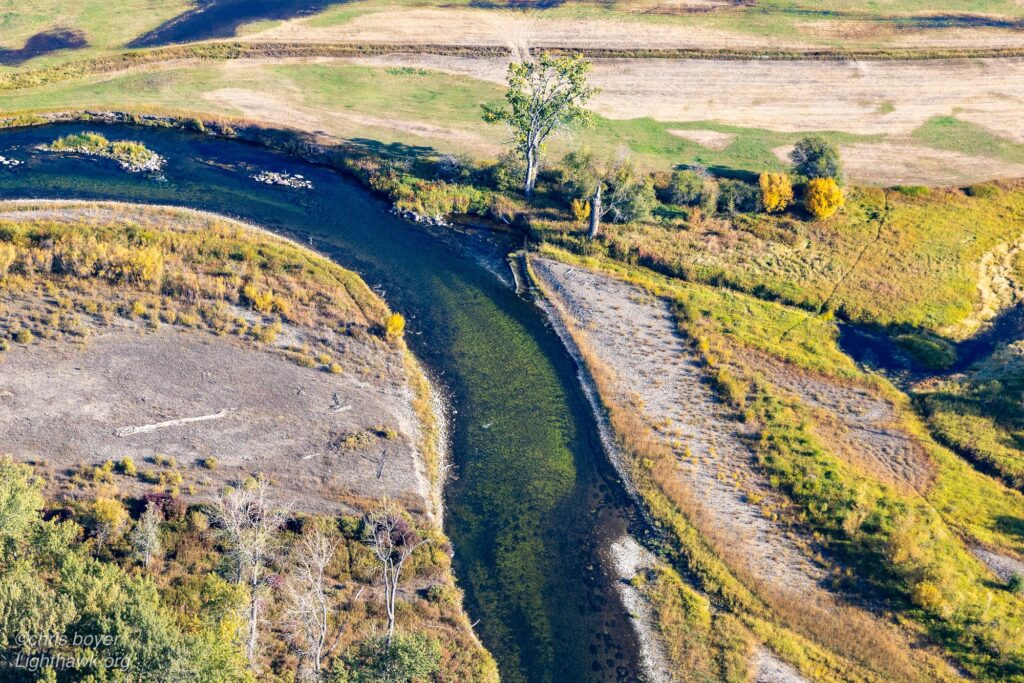
A federal district court in Great Falls received the lawsuit on Monday from Upper Missouri Waterkeeper, Flathead Lakers, and CSKT. HB 664 repeals numeric nutrient standards, allowing more flexibility for industries releasing nitrogen- and phosphorus-rich wastewater into Montana rivers. These pollutants often lead to harmful algal blooms, threatening aquatic ecosystems by reducing oxygen levels necessary for fish survival. Nearly one-third of Montana’s rivers are impaired due to nutrient pollution.
The lawsuit follows the Trump administration’s EPA approval of HB 664, with the agency asserting revised standards meet the Clean Water Act’s requirements. Region 8 EPA Administrator Cyrus Western noted that narrative standards were used until 2014, and the law doesn’t mandate numeric criteria. The revised narrative standard is labeled as “vague” and “unenforceable” by Upper Missouri in a Wednesday press release, arguing there’s no precedent for reversing numeric standards under political pressure.
Guy Alsentzer, Upper Missouri’s executive director, criticized the EPA’s decision, stating, “EPA doesn’t get to rubber-stamp the State of Montana’s illegal water quality rollbacks for polluters and pretend there is no risk.” He stressed the necessity for agencies to assess impacts on clean water and endangered species before approving changes. Meanwhile, the Montana Department of Environmental Quality refrained from commenting due to ongoing litigation.
HB 664 mirrors a 2021 proposal that faced opposition from both federal and state agencies, despite legislative and gubernatorial support. The Sibanye-Stillwater Mine, the first to receive a revised permit under HB 664, finds the new standard too strict compared to technological capabilities. Heather McDowell, the mine’s vice president, noted little difference from previous numeric standards and criticized the current regulation as ineffective and inconsistent with stakeholders’ objectives.
—
Read More Montana News