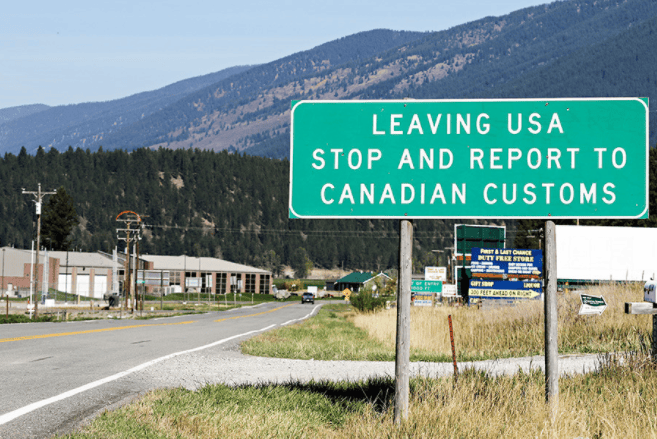

The Blackfoot Confederacy, representing tribes in Montana and Alberta, celebrated Albertans’ decision to remain part of Canada. This “no” vote against secession marked a crucial victory for First Nations in Alberta, who opposed the move through legal challenges and public campaigns. Alberta’s independence movement, with roots in the Great Depression, gained traction amid events like the COVID-19 pandemic and the election of Prime Minister Mark Carney. The decision reflects ongoing tensions in Alberta over independence.
In early 2026, First Nations, including the Blackfoot Confederacy, argued in court that the referendum breached treaties with Ottawa. They won the case in May, but Premier Danielle Smith placed a new separation-related question on the October 19 referendum. This question called for a binding vote on secession.
Premier Smith stated, “I, as premier, will not have a legal mistake by a single judge silence the voices of hundreds of thousands of Albertans.” Yet, Troy Knowlton, chief of the Peigan Nation, claimed Smith’s remarks ignored First Nations’ treaty rights.
Tribes organized anti-secession campaigns through informational sessions and social media, urging votes against separation. Sheldon Sunshine, chief of the Sturgeon Lake Cree Nation, emphasized unity and treaty protection in a video.
Indigenous voters overwhelmingly opposed separation, with over 96% voting “no” across major polling stations on Indigenous land. Albertans overall voted three-to-one to remain a Canadian province. Mitch Sylvestre, a secession leader, intends to steer Alberta’s United Conservative Party toward a secessionist path, despite Premier Smith’s suggestion that separatists leave the party.
The 180-mile border between Montana and Alberta continues as the U.S.-Canada boundary while both regions share resources and tourism exchanges. Montana refineries processed 94% of crude oil from Alberta in 2020, and the proposed Bridger Pipeline could further link Alberta’s oil resources to Wyoming.
The Blackfeet Nation, the sole U.S.-based tribe in the confederacy, resides on a 1.5 million-acre reservation in northwest Montana.
The post First Nations celebrate Albertans’ decision to remain a part of Canada appeared first on Montana Free Press.
—
Read More Montana News