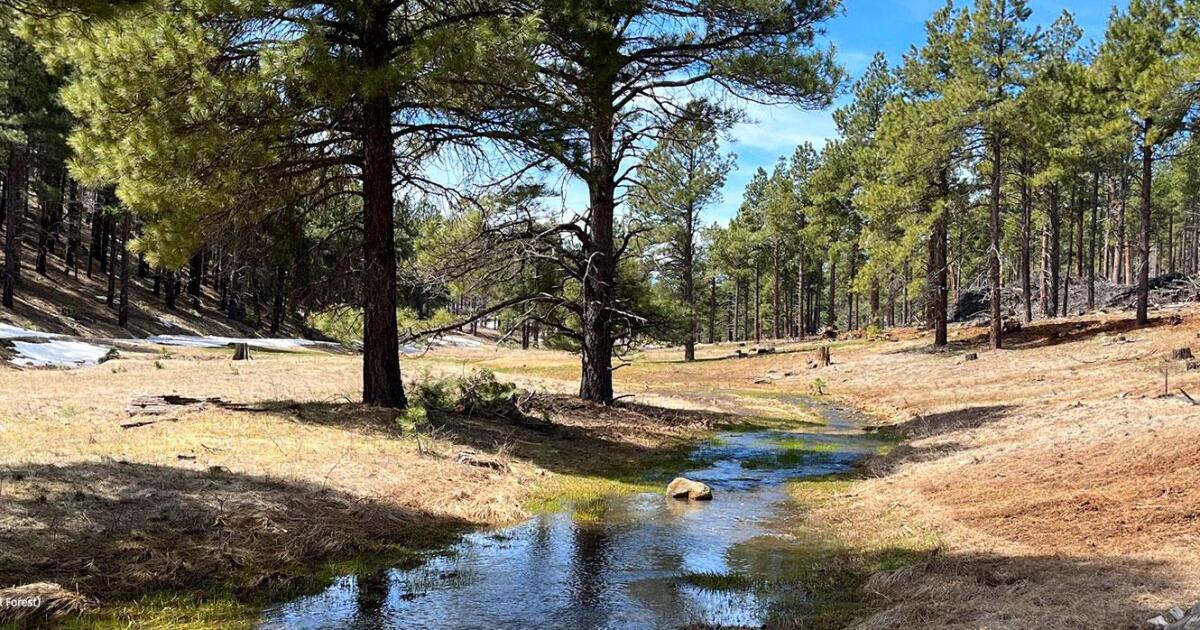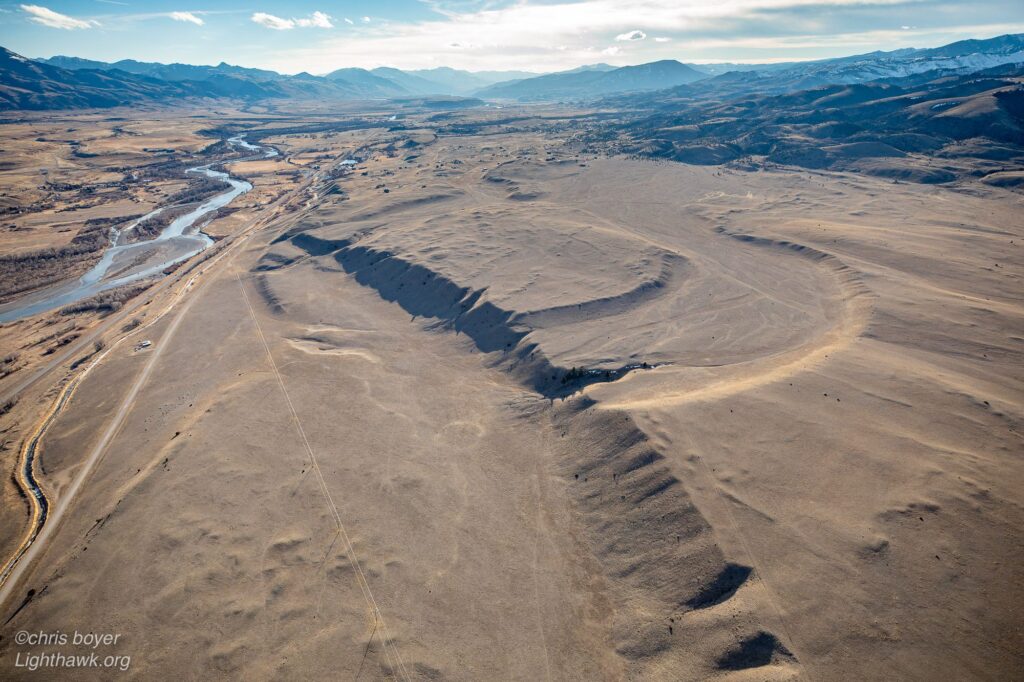
A controversial plan to mine gravel in Montana’s Paradise Valley has reemerged, stirring opposition at a Park County commission meeting. Residents voiced objections against what they perceived as an unexpected development near Yellowstone National Park. The proposal concerns a gravel pit on public lands in Emigrant, aimed at meeting demands from increased tourism and population growth. Concerns about wildlife habitats and infrastructure impact have intensified local opposition.
Over 100 people participated in discussions after county commissioners disclosed a draft letter supporting the gravel pit. This support letter caught community members by surprise, escalating resistance. The debate underscores challenges in sourcing gravel locally amidst wildlife and recreation interests. The state trust land, offering habitat and cattle grazing, remains undeveloped, drawing repeated public outcry over mining proposals.
The commissioners argued the site’s strategic location would reduce road traffic and emissions, saving about $50,000 annually in transportation. However, the letter lacks project details, leaving many, including Park County Environmental Council’s Max Hjortsberg, feeling uninformed. Hjortsberg stated, “It feels like the community of Park County has been left in the dark on all this.”
Where the Gravel Hits the Road
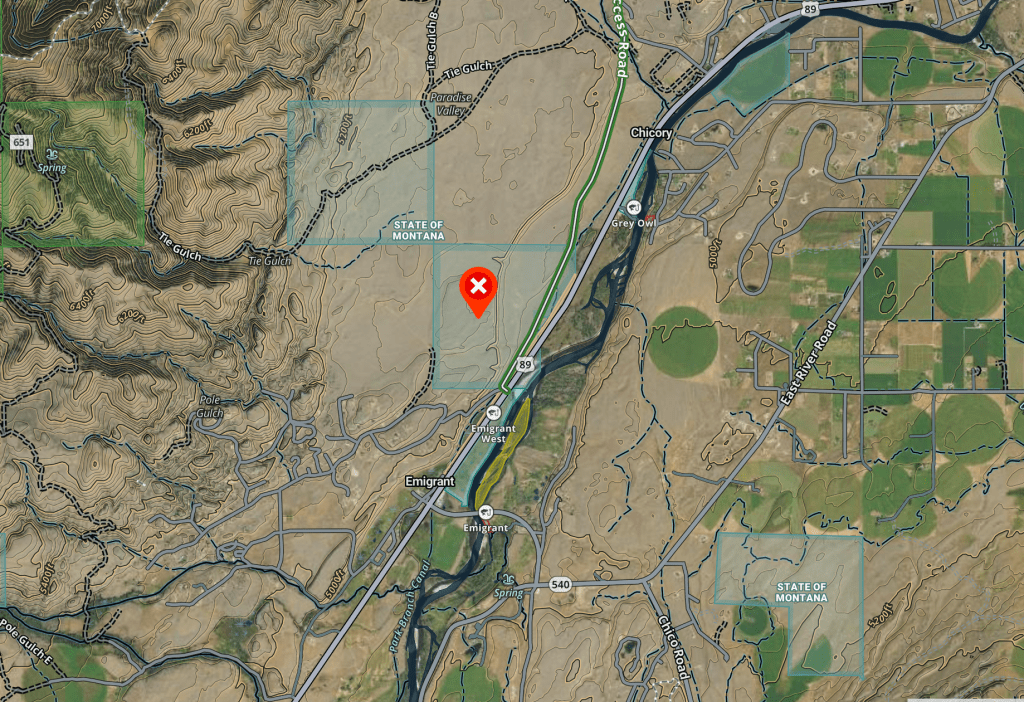
Park County’s need for new gravel sources is driven by the high costs of road maintenance. Commissioner Bryan Wells mentioned state outreach indicated Yellowstone National Park required gravel for upcoming projects. An 80-acre lease application by Riverside Contracting near Emigrant could supply local roads if approved, benefiting the University of Montana.
With the North Entrance Road damaged by the 2022 floods, spokesperson Linda Veress emphasized, “The need for gravel for the park’s road improvement projects is not predicated on the approval of a pit in Paradise Valley.” Still, a local pit could serve future projects if federal standards are met.
Park County Public Works Director Matt Whitman highlighted that maintaining roads causes significant gravel loss, totaling around 40,000 tons annually. With a growing population and tourism, gravel demand strains county finances. Existing gravel sources face challenges with price and procurement, necessitating alternatives like the Emigrant site.
“We’re seeing such a large-scale attack on our public lands these days, on all levels. We feel we must hold our ground on even the smallest piece of it in Paradise Valley.”
max hjortsberg, Park County Environmental Council
The financial burden of road use lies mainly on county taxpayers, according to Whitman. Gravel sourcing from closer locations would cut costs. Currently, Fisher Sand and Gravel, east of Livingston, provides gravel, but its distance increases expenses dramatically.
Commissioner Wells acknowledged frequent road complaints and stressed the need for economic gravel solutions. Community members rapidly mobilized, with a petition against the pit gathering over 1,300 signatures. Concerns spanned wildlife, recreation, and health impacts, with calls for further public meetings to find consensus.
For now, commissioners have withheld the letter of support, awaiting state lease and permit approvals. The broader debate reflects growing scrutiny over development in Paradise Valley, with Erica Lighthiser of PCEC urging discussions on local development control. “Once it’s developed, there’s no going back,” she warned.
—
Read More Montana News