Montana Candidate Aaron Flint Supports Changes to Forest Protections
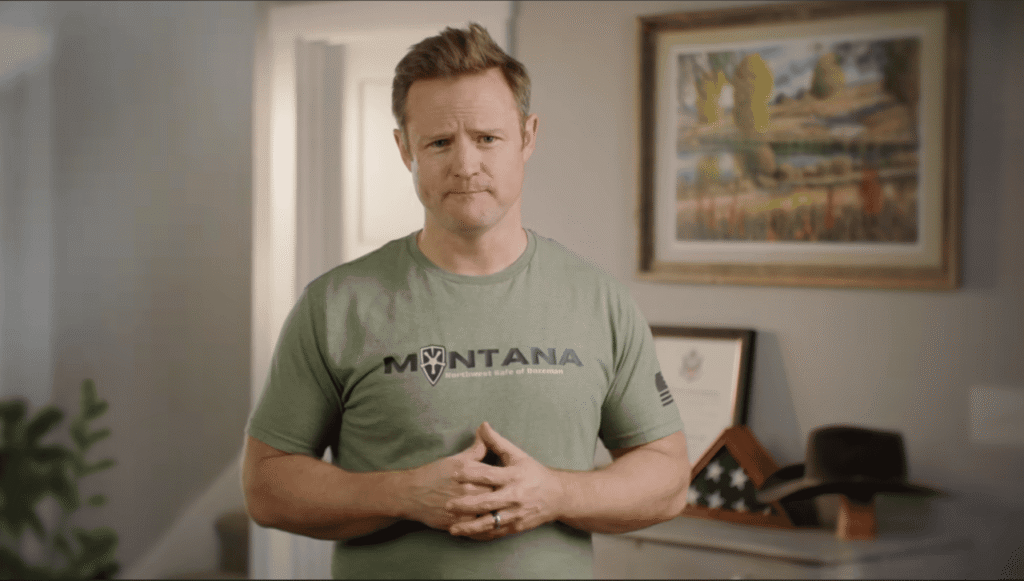
Aaron Flint, a Republican candidate vying for a seat in Montana’s first congressional district, has expressed support for reducing federal protections on the state’s national forests.
In the previous year, Agriculture Secretary Brooke Rollins announced an end to the Roadless Rule, a policy established in 2001 that safeguarded 6.4 million acres of Montana’s forests from developmental activities. Flint applauded this move, describing it as “HUGE news for better management of our federal lands” via a post on X in June 2025.
The Roadless Rule was originally put in place to curb water quality degradation and habitat loss due to industrial logging and clear-cutting. It also aimed to save taxpayer money that would otherwise be spent on maintaining road infrastructure on public lands.
Environmental experts have voiced concerns about lifting the rule, warning of severe repercussions. Jeff Lukas, who heads Montana Trout Unlimited, emphasized the rule’s importance, stating it is crucial for “protecting the backcountry experiences so many Montanans enjoy,” according to the Daily Montanan.
The removal of these protections opens parts of the Flathead, Gallatin, Kootenai, Bitterroot, and Beaverhead national forests to potential development. Congress retains the power to reinstate the rule.
Flint’s Stance on Public Lands
Flint, who previously hosted a radio show, has a history of advocating for transferring public lands to private interests. The blog Public Domain has documented instances dating back to 2013 where Flint supported state control over these lands.
During a 2014 broadcast, Flint questioned federal ownership by saying, “If the state of Montana is doing a better job managing their land, then why do we want the federal government to own the land?”
Critics argue that Montana lacks the resources to manage these lands independently. A 2025 analysis by natural resources manager John Tubbs highlighted the financial challenges, noting that transferring lands to state control could deprive counties of vital federal support, particularly for public schools. This could lead to the necessity of selling public lands.
The Montana Wildlife Federation has echoed these concerns, stating in a report that such transfers “would undermine generations of work by hunters, anglers, landowners, and conservationists.”
Political Reactions and Campaign Dynamics
While Flint claims to support land protection, he has criticized preservation efforts as partisan, comparing them to other political issues such as immigration and abortion rights. “You see the liberal media propping up these fake, phony left-wing protests,” Flint commented in a radio interview, linking various activist causes.
Jake Eaton, a Republican strategist spearheading a super PAC for Flint, stated that Democrats’ focus on land conservation hampers their electoral success in Montana.
Sam Forstag, Flint’s Democratic rival, disagrees, arguing that public lands suffer from insufficient investment, advocating for increased federal funding instead of cuts. His campaign website emphasizes the need for proactive investments in local jobs to avoid “a constant state of crisis response.”
An Impact Research poll conducted in June indicates a close race between Flint and Forstag, suggesting a competitive electoral contest.
—
Read More Kitchen Table News