This year, Montana’s fire season was anticipated to be severe due to a multi-year drought, high temperatures, and dry conditions. In June 2025, a predictive meteorologist warned of a challenging summer at the governor’s fire season briefing. Unexpectedly, even with a similar number of fire starts—1,116 by July 21, 2025, compared to 1,069 the previous year—fires have significantly decreased in area, burning around 17,000 acres versus 92,000 the year before, an 80% reduction.
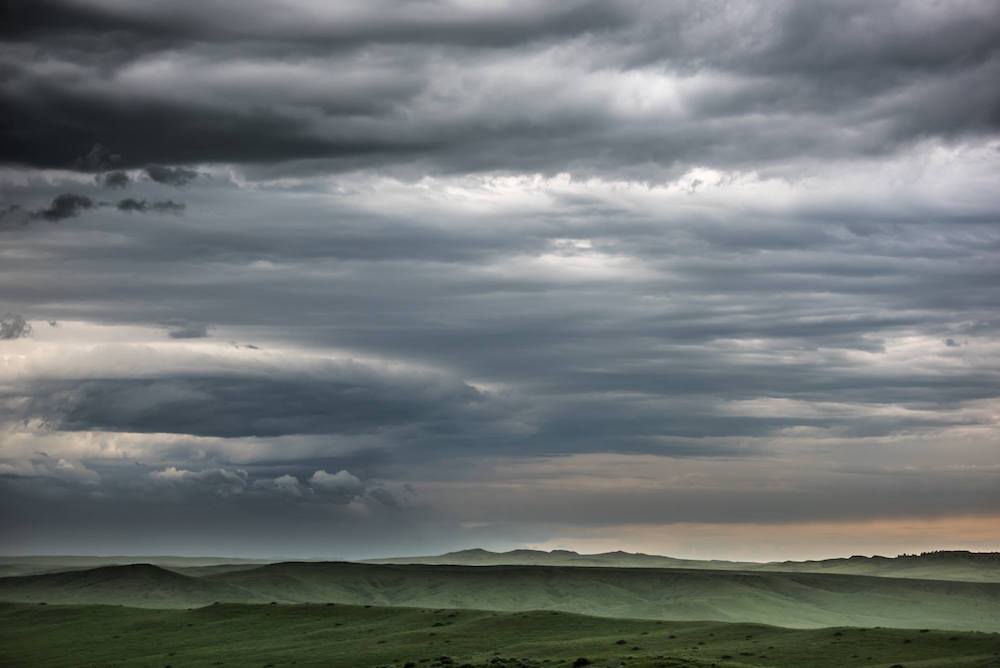
Precipitation-rich storms from the Northwest have largely contributed to this reduction, as confirmed by Dan Borsum from the Northern Rockies Coordination Center. “They’ve been moisture-producers,” Borsum stated, noting the moisture has reduced fire activity. Recent thunderstorms have precisely targeted areas in need of moisture, effectively dampening potential wildfire hotspots.
Despite recent rains, Montana’s fire season typically intensifies in late July and August. Cory Calnan, acting Fire Protection Bureau chief for the Montana Department of Natural Resources and Conservation, recently mentioned in a meeting that future conditions could still lead to a challenging fire season. Anticipated hot weather and reduced rainfall might raise fire risks, especially in central and eastern regions of Montana.
“We wholly expect that part of the state to become more active in the fire game,” Calnan stated. Persistent drought affects around 66% of the state, with an additional 12% facing abnormal dryness. Although recent rains have helped, especially with grass and herbaceous fuels, heavy timber remains dry and susceptible to fires.
Firefighting agencies are monitoring national efforts to understand resource availability, including firefighters and aircraft. According to Calnan, Montana’s peak fire season occurs later than other western U.S. areas, so national resource allocation could impact local response capabilities.
Some western states like California, Utah, and Arizona are dealing with significant fires due to dry, windy conditions. For Montana, the upcoming days may continue to see beneficial wet conditions. Borsum indicated that while temperatures are expected to rise moving into August, continued moisture could help maintain high humidity overnight and keep vegetation wet, although the long-term persistence of this moisture remains uncertain.
—
Read More Montana News