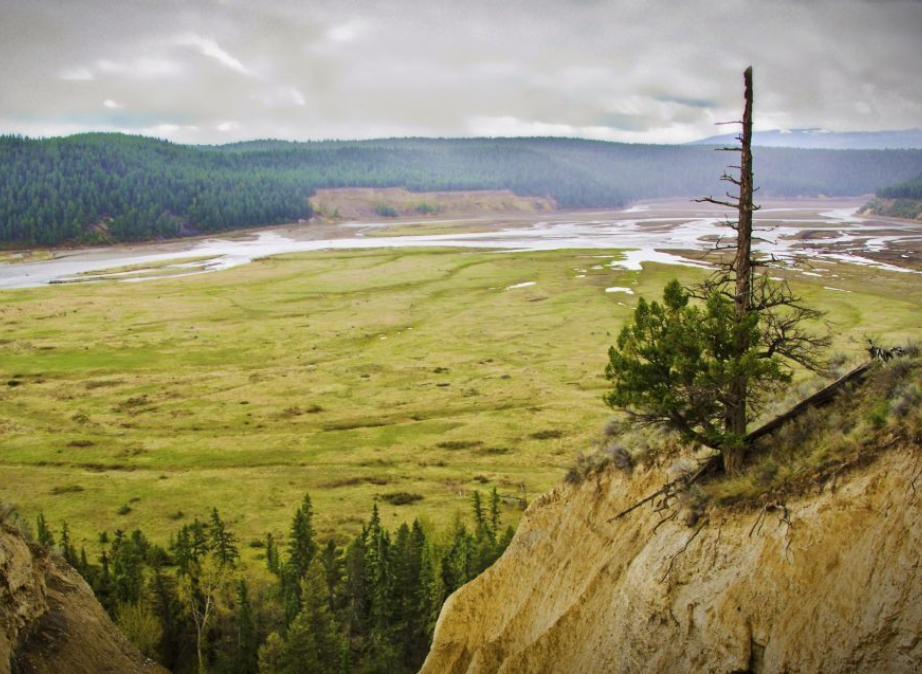
A longstanding conflict over Montana’s water-quality standard, involving a Canadian coal mine, cross-border waterway, and various officials, was resolved this week. Montana District Court Judge Kathy Seeley ruled on April 8 that the selenium standard set by Montana Department of Environmental Quality for Lake Koocanusa in 2020 remains valid. This standard, established after extensive scientific research, is set at 0.8 micrograms per liter.
Selenium is a chemical element toxic to fish at high levels, and has been accumulating in the Kootenai River watershed for decades due to coal mining in British Columbia. Natural precipitation releases selenium from mine waste, and existing removal technologies have limited success.
Elk Valley Resources, a company operating British Columbia coal mines, advocates for a looser federal selenium standard of 1.5 micrograms per liter, claiming it would protect Lake Koocanusa’s aquatic life. Conservation groups praised Judge Seeley’s ruling, viewing it as a triumph for scientific environmental management and ecosystem health.
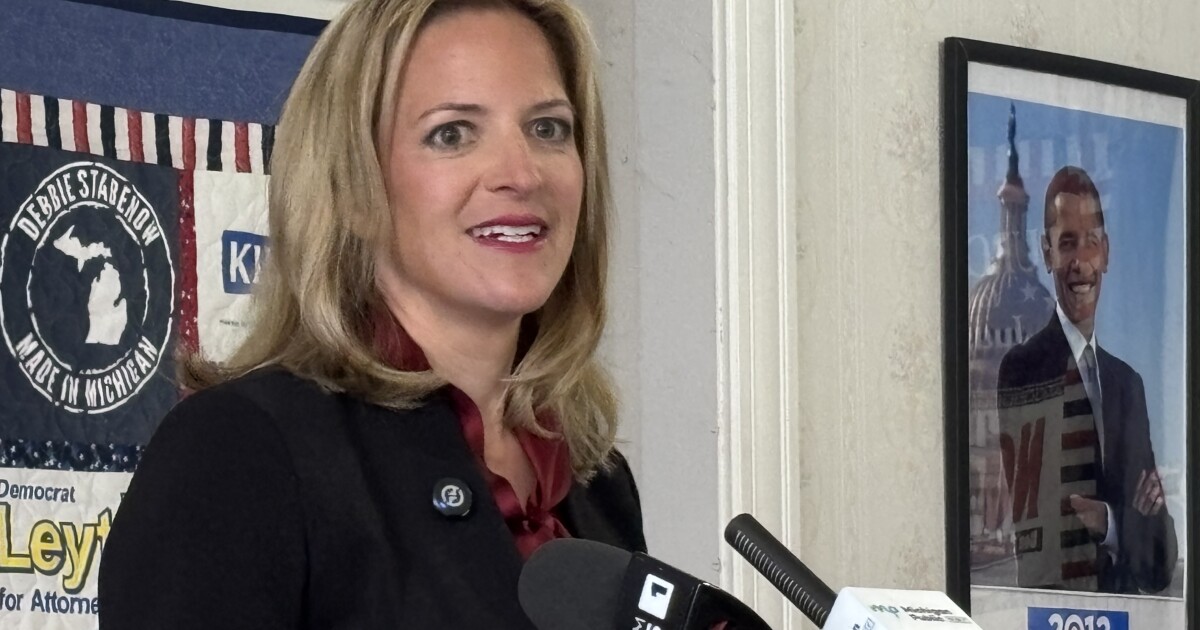
“We’re happy to see that the Court made the right decision by protecting Montana’s waters from upstream Canadian coal mining pollution,” said Derf Johnson, Montana Environmental Information Center Deputy Director. He emphasized that Montana’s scientific water quality standards safeguard not only water and wildlife, but also the outdoor recreation economy.
In an email, EVR spokesperson Chris Stannell stated, “EVR is in favor of having legal, scientifically based standards in place to protect water quality and aquatic life in Koocanusa Reservoir.” This legal battle is tied to larger issues of transboundary mining pollution, involving discussions at the highest U.S. and Canadian government levels.
Excessive selenium can cause fish deformities and reproductive failure. Fish eggs in high-selenium waters often fail to hatch. The accumulation of selenium in Lake Koocanusa alarms environmentalists protecting the Columbia River fishery, home to species like bull trout and Kootenai River White Sturgeon.
A 2023 U.S. Geological Survey study found that selenium levels in the Elk River, a tributary to Lake Koocanusa, had risen sixfold since 1979. Selenium removal is difficult once in water, prompting EVR to invest billions in treatment technologies. However, conservation groups argue these efforts are insufficient to protect downstream fish populations, as seen in 2020 with Fording River trout.
Judge Seeley’s ruling also highlighted Montana’s Board of Environmental Review’s limited authority after legislation changed its rulemaking power in 2021. BER initially opposed the stricter standard, favoring federal limits. The 2021 law, however, removed their rulemaking capabilities, confirming the importance of Seeley’s decision.
—
Read More Montana News