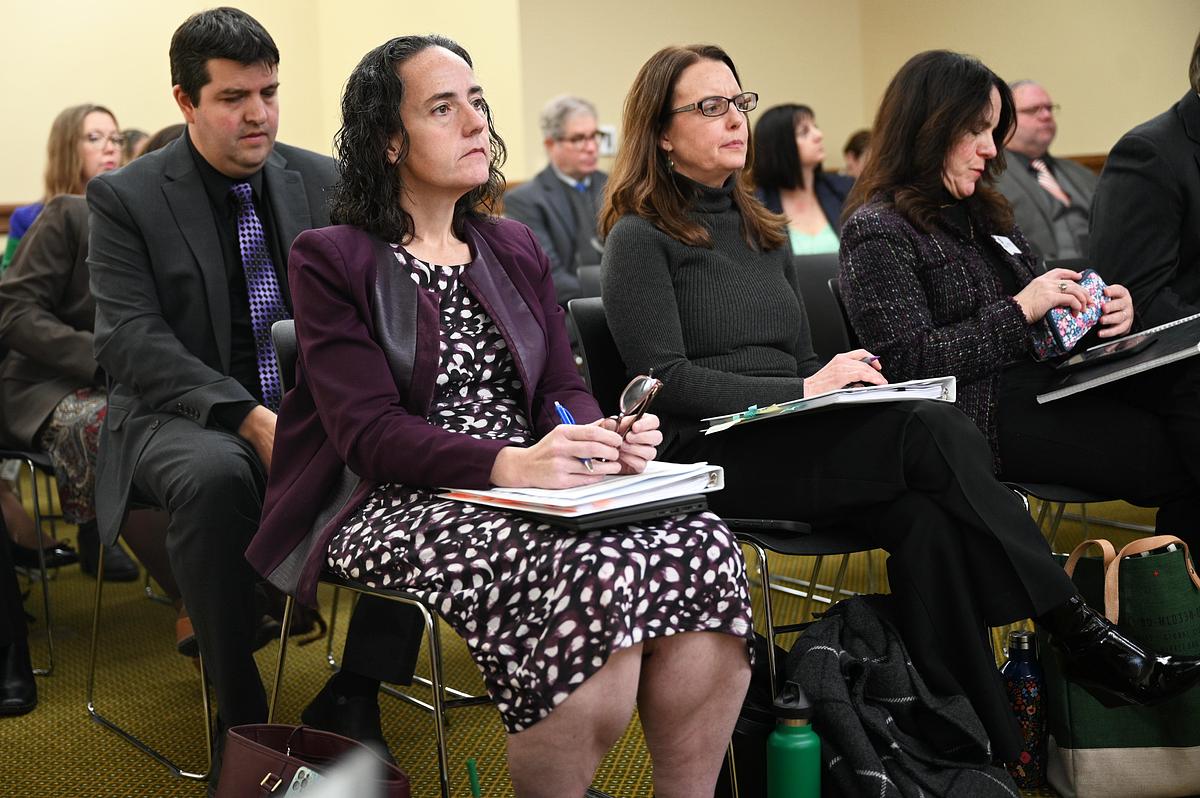
Health policy experts gathered at Montana State University on Thursday to discuss the state’s Rural Health Transformation Program, which could receive over $1 billion in federal funding over five years. The immediate challenge is deploying the initial $233 million grant within a few months. The program aims to enhance rural healthcare infrastructure across Montana.
Advisory committee members from across the state shared their ideas for the substantial first-year grant. The urgency to distribute these funds is heightened by the federal mandate that requires Montana to start spending by September 2026. A progress report is due in August, adding further pressure. Despite this, state health officials announced that applications for related grant opportunities will not open until March.
This timeline gives Montana’s health department, rural hospitals, and other stakeholders roughly six months to effectively utilize the initial funding. The success in the first year will influence future federal funding levels. Attendees expressed concerns about meeting these ambitious deadlines, with some labeling them as unrealistic.
Jim Swan, a policy consultant, remarked, “The targets and the metrics, I believe, especially trying to do them by August, seem really, for the most part, unrealistic to me.” The state health department has outlined its strategy using detailed metrics, but achieving these goals relies on the effective implementation by healthcare providers across the state.
State health department director Charlie Brereton explained that most funds will be distributed through standard procurement methods, like competitive bidding for grants and contracts. However, questions remain about the program’s sustainability after the federal funds are depleted.
Atty Moriarty, a Missoula pediatrician, raised concerns: “What happens to all of this in five years? What is the sustainability of all of these things when there is no more money left?” Brereton acknowledged these concerns and emphasized the plan’s focus on one-time investments to support ongoing services in the future.
—
Read More Montana News