The Montana Section of the American Society of Civil Engineers released a report on Wednesday that downgraded the state’s infrastructure from a “C” in 2018 to a “C-“. The decline is attributed to aging infrastructure and insufficient funding for necessary upgrades. The 2024 Report Card for Montana’s Infrastructure highlighted improvements in drinking water and schools, though schools still earned a “D”. However, bridges, energy, and solid waste saw downgrades.
The report credits $8 billion in federal funds, mainly from the 2021 Infrastructure Investment and Jobs Act and 2022 Inflation Reduction Act, and $2 billion in private funding for some progress. Yet, it emphasizes that billions more are needed for substantial improvement. Lexi Leffler, chair of the 2024 Report Card, stated, “We face significant challenges given how spread out our state is and how many environmental threats we encounter across our diverse geography, with minimal revenue sources to pull from due to our small population.”
The report urges Montana to establish consistent, long-term funding for critical infrastructure like roads, bridges, and dams to address deferred maintenance. It also recommends expanding workforce training programs and prioritizing climate resilience in infrastructure upgrades. “Montana’s diverse geography and extreme weather risks require robust strategies to enhance resilience,” the report states.
Montana’s infrastructure needs to adapt to extreme weather, public health issues like lead water lines, and emerging environmental challenges such as “forever chemicals”. The report suggests that without increased funding, public safety and economic growth are at risk. Notably, roads face a 3-to-1 revenue shortfall, jeopardizing the transportation system’s future.
The report also highlights the need for $4.4 billion over the next decade for bridges, with current funding only projected at $535 million. The U.S. Environmental Protection Agency estimates $2.3 billion is needed for drinking water infrastructure, while current funding has recently increased to $250 million annually. Wastewater improvements require about $347 million, and stormwater infrastructure needs $22 million.
Schools and stormwater infrastructure received the lowest grades, with 68% of Montana’s 826 K-12 schools built before 1970 facing maintenance backlogs. The report states the need for sustainable investment and innovative solutions to modernize educational facilities.
The EPA announced a $25 million investment to replace lead pipes in Montana, although the total number is unknown. Stormwater systems are particularly challenged by unregulated agricultural runoff.
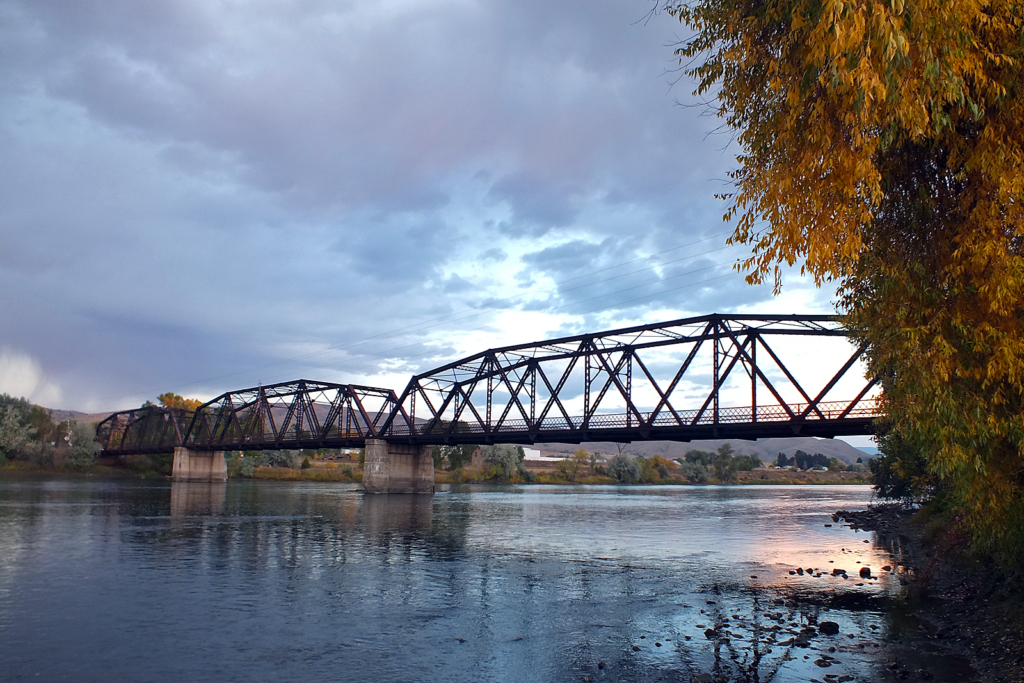
Bridges remain a concern with $45 million in federal funding under the Biden administration, yet 15% require immediate repairs. Governor Gianforte’s budget proposal includes $10 million annually for five years to fix 500 bridges. Montana’s rail system earned a “C+” grade, crucial for the economy but facing aging infrastructure and climate vulnerabilities.
Energy infrastructure is diverse, with Montana ranking fourth in the U.S. for per capita energy consumption. The report recommends modernizing the energy grid and increasing renewable energy through federal and private funding. Broadband access lags, with just 71% of residents having 100 Mbps internet speeds compared to the national average of 93%.
The report, created by over 20 engineering professionals, calls for collaborative efforts to enhance infrastructure funding, ensuring a resilient and sustainable future. “Addressing these critical infrastructure needs will enhance public safety, boost economic resilience, and improve the quality of life across Big Sky Country,” it concludes.
2024-montana-infrastructure-report-card-full-report
—
Read More Montana News