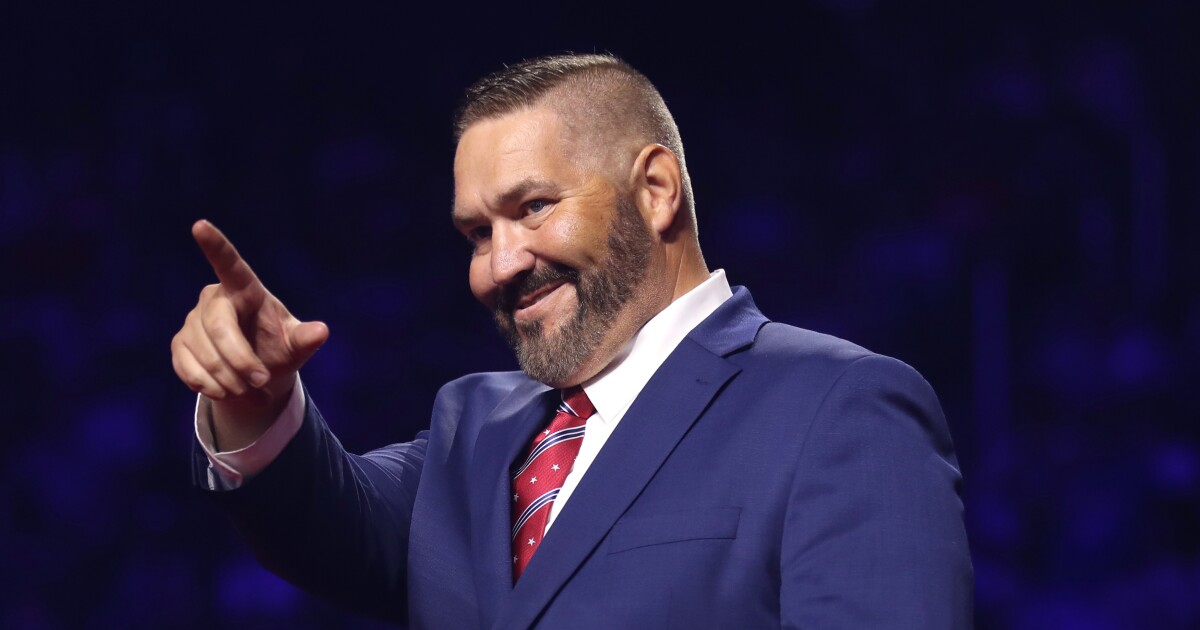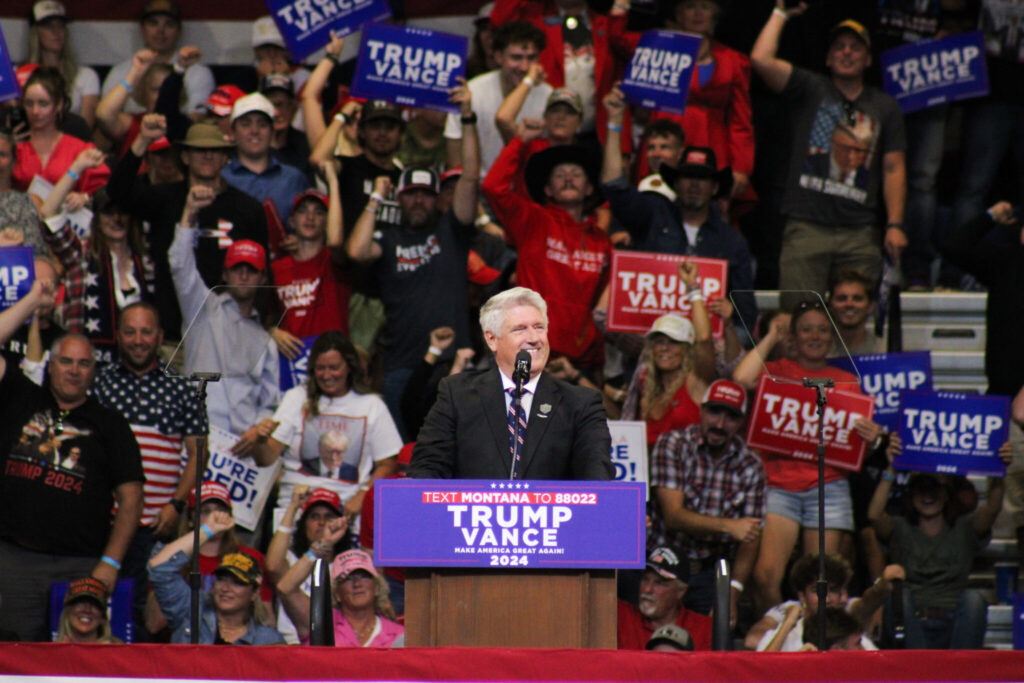
In a comprehensive online town hall on Tuesday, U.S. Congressman Troy Downing, a Republican from Montana’s Second District, aligned with the Trump administration’s policies on the National Guard’s deployment in Washington, D.C., tariffs, and the rollback of the “Roadless Rule.” However, he voiced concerns about economic impacts on Montana’s agricultural sector. Since his 2024 election, Downing has conducted four “telephone town hall” events, avoiding larger gatherings while addressing national issues such as military use, Epstein files, and fossil-fuel support. Downing’s district encompasses central and eastern Montana, and his counterpart is Rep. Ryan Zinke, a former Secretary of the Interior under Trump.
The Q&A format let selected callers interrogate Downing, focusing on the Epstein files and National Guard deployment. Downing advocated for transparency on the Epstein files but expressed caution about exposing victims who wish to remain anonymous. He avoided discussing recent evidence linking Trump to Epstein’s activities. “Republicans are on the side of truth and transparency when it comes to securing justice for the victims of Jeffrey Epstein,” Downing stated. “While other politicians make grandstanding (gestures) and engage in political theater, I will continue to advocate for transparency and a process that leverages the maximum weight of the law while protecting victims of these heinous crimes.”
National Guard and the Military
During the 45-minute call, questions arose about the Trump administration’s military use in Washington, D.C., with veterans concerned about potential Posse Comitatus Act violations, which a federal court has affirmed. Downing supported the Constitution and the Act while backing Trump’s emergency powers to deploy troops. When asked why the U.S. Army was “invading” D.C., Downing disagreed, saying, “This is a shining example of the United States of America and crime has gone crazy. This is not a state. It falls under the federal government, and I think the president of the United States has the prerogative to make sure it’s safe. I am very proud that this president made a decision to do something to make sure that it’s safe.” Crime rates, however, were declining before the Guard’s deployment, and any further decrease remains unverified.
Roadless Rule
Downing diverged from many Montanans regarding the U.S. Forest Service’s attempt to repeal the “Roadless Rule,” protecting over 6 million acres of federal forest land from roads or vehicles. Although specific Montana polling is unavailable, 95% of 1.6 million public comments supported the rule. Conservatives argue these policies harm the economy and forest health by preventing “management” and increasing fire risks. Environmental groups counter that the rule protects wilderness, endangered species, and acts as carbon sinks. Organizations like Backwoods Hunters and Anglers strongly oppose the repeal. Downing stated, “I am very supportive or repealing the roadless rule, because I think it helps protect us in Montana from having bigger, hotter, more destructive fires.”
The Economy, Tariffs, and a Federal Government Shutdown
Downing addressed economic topics, including Trump’s tariffs and a potential federal shutdown. He credited Republicans with passing a significant bill preventing financial ruin, defending tax cuts criticized for potentially increasing national debt. Downing argued the cuts would avoid tax hikes, claiming Republican plans would boost the economy, which the Congressional Budget Office’s static scoring doesn’t consider. “If we just have 3% growth, which is not anything, you know, unachievable — actually, I think we can do much better than that — then we actually reduce our debt over 10 years that this reconciliation bill covers,” he said. However, historical GDP data shows growth exceeded 3% only once in recent years, largely due to post-COVID recovery. Downing expressed confidence Congress would pass “continuing resolutions” to avoid a full shutdown.
On tariffs, Downing echoed Trump’s stance, suggesting temporary economic pain to secure better trade deals. He didn’t specify the impact of tariffs or how growth over 3% would be achieved. “What I strongly believe is that the president is using tariffs to try to get to a point where we have fair and equitable trading agreements with our trading partners,” he noted, viewing tariffs as a debt-reduction tool instead of returning tariff revenue to citizens. Despite broadly supporting Trump, Downing acknowledged agricultural concerns, noting tariffs’ negative effects on Montana’s agricultural product values and equipment costs. He urged for stability to aid producers’ future planning, hoping for more domestic jobs and investment.
—
Read More Montana News