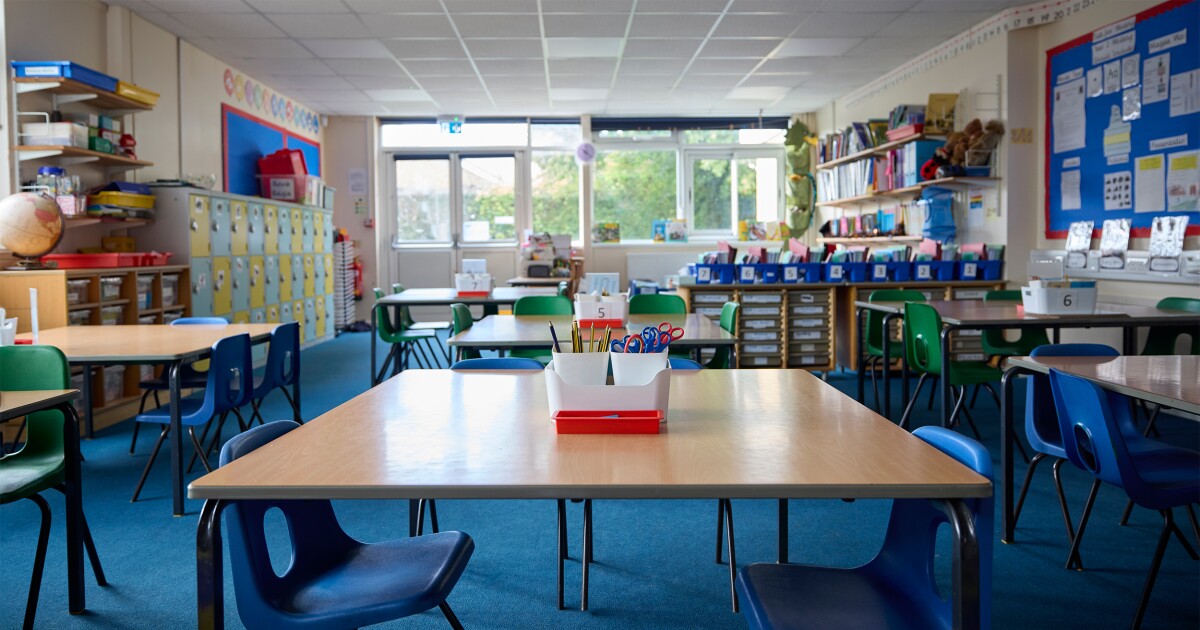
Amid freezing temperatures and a late-night arrival in Scottsbluff, Nebraska, a conversation at the hotel’s front desk illuminated the community’s embrace of inclusive education. The visit focused on Scottsbluff Public Schools, a pioneer in Nebraska’s initiative to enhance inclusive practices, integrating children with and without disabilities in shared classrooms. This approach aims to teach all students more effectively and inclusively.
The young woman at the desk shared that her 6-year-old autistic brother, who requires extensive support, is receiving necessary assistance while remaining in class with his twin sister, who doesn’t have a disability. Her experience reflects the successful impact of inclusion in the district.
Such initiatives mark a stark contrast to other regions where disabled children are often segregated from their peers in early education. Research underscores the benefits of integrated classrooms for all students, a topic explored in-depth in a recent series by Meredith Kolodner and Marina Villeneuve.
The series delves into the low inclusion rates in various states, despite expert advocacy for inclusive learning environments. Nebraska’s model stands out, offering valuable lessons in effectively implementing inclusive education practices.
Read more about Nebraska’s inclusive education model.
Contact staff writer Jackie Mader at (212) 678-3562 or mader@hechingerreport.org.
This article on inclusive classrooms is produced by The Hechinger Report, a nonprofit focused on education inequality and innovation. Subscribe to the Hechinger newsletter.
The Hechinger Report delivers detailed, fact-based education reporting that is free to readers. Your support helps us continue informing the public and educators about critical school issues across the nation.
—
Read More Kitchen Table News