Article Summary –
Pennsylvania is leading efforts among 30 states to enhance river health and safety by removing outdated dams, with 433 dams removed since 1912, including 14 last year, which was the most of any state. In 2025, a nationwide initiative reconnected 4,900 miles of rivers, the highest amount ever achieved in a single year, with various motivations for dam removal including ecological benefits, public safety, and structural deterioration. Tools like the Chesapeake Fish Passage Prioritization Tool and AquaticBarriers.org aid in identifying priority dams for removal, helping cities, state agencies, or individuals to determine if a dam is beneficial or a liability.
Pennsylvania stands out among 30 states enhancing river health through outdated dam removals.
Efforts in 2025 reconnected nearly 4,900 miles of rivers, the most restored in a year.
Jessie Thomas-Blate, director at American Rivers, reports Pennsylvania has removed 433 dams since 1912, with 14 removed last year, leading all states. Removals occur for various reasons.
“Some removals are for ecological reasons, public safety, or because dams are deteriorating,” explained Thomas-Blate. “All benefit river health and community sustainability.”
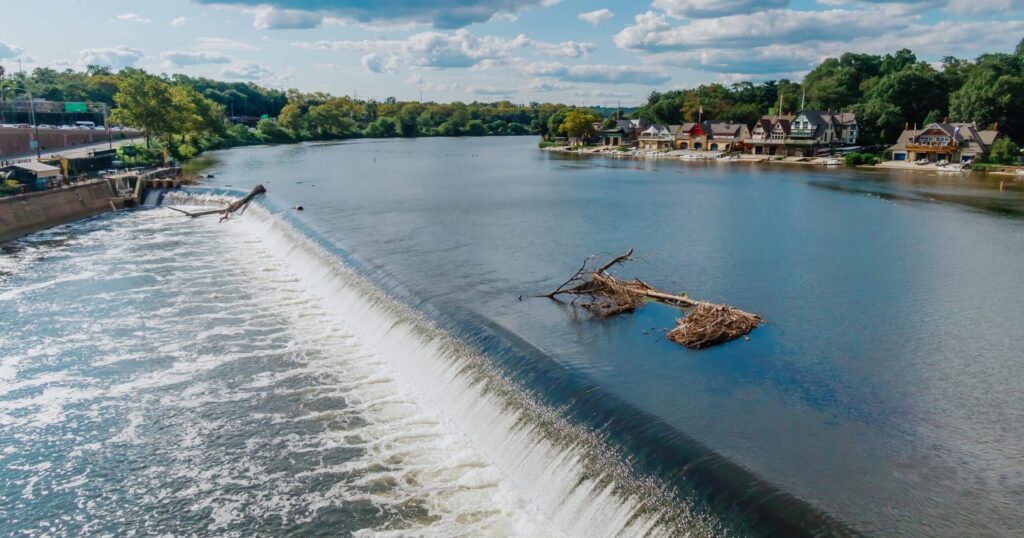
American Rivers notes over a quarter of removed dams were hazardous low-head dams, known as “drowning machines.” In August 2025, Pennsylvania eliminated two outdated dams on the Juniata River, restoring over 156 miles of waterways.
Thomas-Blate highlighted that dam removal projects begin with scientific analysis, utilizing tools like the Chesapeake Fish Passage Prioritization Tool, mapping dams in the Chesapeake Bay watershed.
“The tool shows dam locations,” Thomas-Blate emphasized. “It helps determine which removals offer the greatest ecological benefit for migratory fish or eastern brook trout.”
Another resource, AquaticBarriers.org, provides a national dam inventory with various data points, allowing users to assess high-hazard dams, filter by state, and evaluate safety or infrastructure concerns.
Blate stressed that cities, agencies, or individuals can use this data to decide if a dam remains beneficial or a liability.
Originally published by Public News Service in this story.
—
Read More Pennsylvania News