Article Summary –
Carol and Tom Shaw, who retired anticipating a life of travel, are now struggling to afford health care costs after congressional Republicans failed to extend expanded Affordable Care Act (ACA) tax credits, causing their insurance premiums to rise significantly. Their representative, Scott Perry, a Republican facing criticism for his voting record against health care measures and ACA tax credits, argues that insurance companies are responsible for the rising premiums, while the Shaws and other critics assert that Perry’s actions benefit corporations over constituents. The expiration of ACA tax credits has led to increased health care costs for many Pennsylvanians, with some losing coverage, and Perry’s association with insurance industry contributions and support for tax legislation favoring the wealthy add to the controversy surrounding his political future.
Carol Shaw started saving for retirement right after completing her undergraduate degree. She and her husband, Tom, aimed to travel widely after retiring. However, after Tom left Capital Blue Cross and Carol ended her project management career in New York City, their plans changed dramatically. Instead of traveling, they’re using retirement savings for healthcare costs due to Congress not extending Affordable Care Act (ACA) tax credits, which had helped millions of Americans afford insurance.
Since Carol and Tom are under 65, they don’t qualify for Medicare and sought insurance through Pennie, Pennsylvania’s ACA marketplace. Their zero-deductible plan cost $1,095 monthly with the enhanced tax credit Congress passed in 2021. In 2026, their insurer said their plan would rise to $3,500 monthly, a 220% increase, as ACA funding expired.
“That was just, like, holy cow,” said Carol Shaw.
After considering options, including dropping Tom’s insurance, they chose a Capital Blue Cross plan via Pennie for $2,800 monthly with a $7,450 deductible. They anticipate $50,000 in healthcare expenses this year, covering premiums, deductibles, visits, and medications.
About half a million Pennsylvanians saw premiums rise in 2026 post-ACA tax credits expiration. One in five Pennie enrollees — roughly 85,000 people — ditched coverage as premiums increased, per the Pennsylvania Health Insurance Exchange Authority. The Pennsylvania Health Access Network estimates 600,000 might lose coverage due to Medicaid cuts from Trump’s 2025 One Big Beautiful Bill Act.
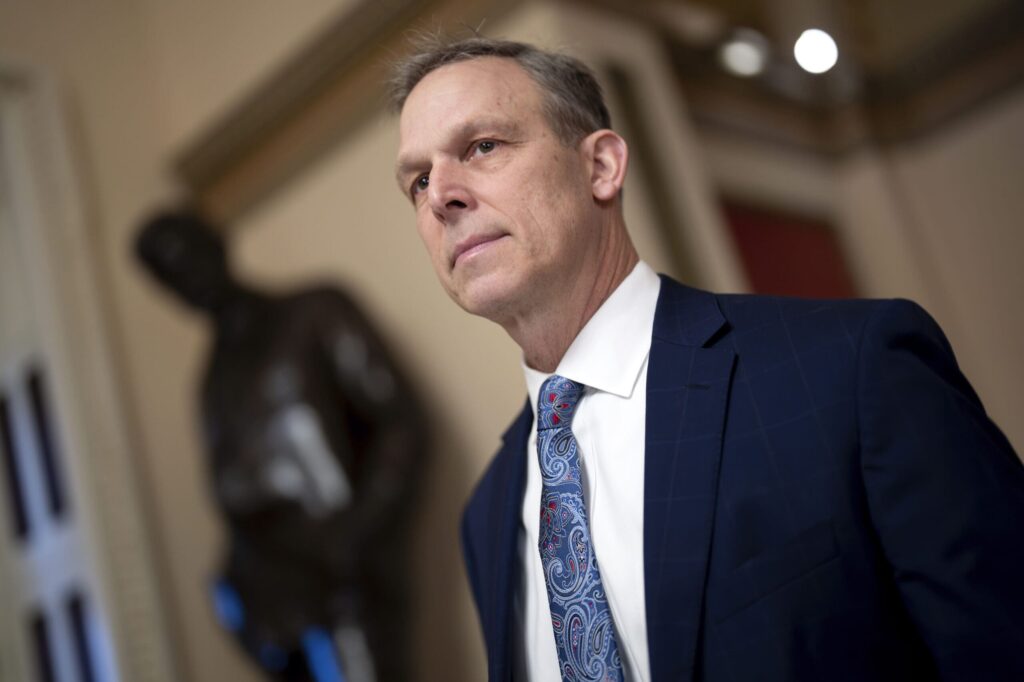
The Shaws hope lawmakers who didn’t extend ACA credits, including Rep. Scott Perry, face midterm consequences. Perry, holding the 10th Congressional District covering Dauphin and parts of York and Cumberland counties, is seen as vulnerable. Democrat Janelle Stelson, a former newscaster, is running against Perry, who she lost to by less than 1 point in 2024. GOP primary challenger, Karen Dalton, also intends to campaign against Perry, citing healthcare cuts.
“I’m hoping he loses, and loses by a large amount,” said Carol Shaw.
The Shaws expressed frustration not only over personal healthcare but also Trump’s administration cutting food aid and implementing anti-democratic policies.
“We’re living in an administration where cruelty is the norm,” said Tom Shaw.
Perry’s office did not respond to requests for comment.
‘Like talking to a brick wall’
Perry, a Trump supporter, faces dipping approval ratings and criticism for opposing ACA credits, citing insurance companies’ culpability for rising premiums.
In a Newsweek op-ed, Perry and the House Freedom Caucus labeled keeping tax credits post-COVID a “colossal mistake.” The Shaws argue without ACA credits, their premium wouldn’t have jumped 220%.
The Shaws have tried contacting Perry about health costs without response. “I focus on more like the [U.S. Sen. John] Fettermans,” said Tom Shaw, calling attempts to reach Perry futile, like “talking to a brick wall.”
A history of cutting health care
Perry is scrutinized for voting against healthcare expansion. He voted to repeal the ACA, which halved Pennsylvania’s uninsured rate, and opposed the Inflation Reduction Act, capping drug prices. Democrats criticize him for accepting insurance industry contributions while opposing healthcare expansions.
Perry supported the Tax Cuts and Jobs Act, benefiting the wealthy and reducing federal revenue. Pennsylvania billionaires grew $120 billion richer from 2017 to 2025, per the Pennsylvania Policy Center. With Perry’s legislative record perceived as making healthcare less accessible, the Shaws believe it will hurt him in upcoming elections.
“Some supporters, struggling with healthcare costs, now regret backing him,” said Carol Shaw.
—
Read More Pennsylvania News