Article Summary –
The Department of Veterans Affairs has imposed a total ban on abortion care and counseling, effective December 22, 2025, including in cases of rape, incest, and serious medical risks, without completing the usual regulatory process, leaving veterans without access to comprehensive reproductive healthcare. Critics, such as Lindsay Church and Katie O’Connor, argue that this policy is the most severe federal abortion ban, undermining the care for veterans, especially given the high rates of sexual assault and unique health risks faced by women in the military. Heather King’s personal story highlights the challenges faced by female veterans in accessing abortion services, further exacerbated by the VA’s policy, which fails to address the unique reproductive health needs of women who have served in the military.
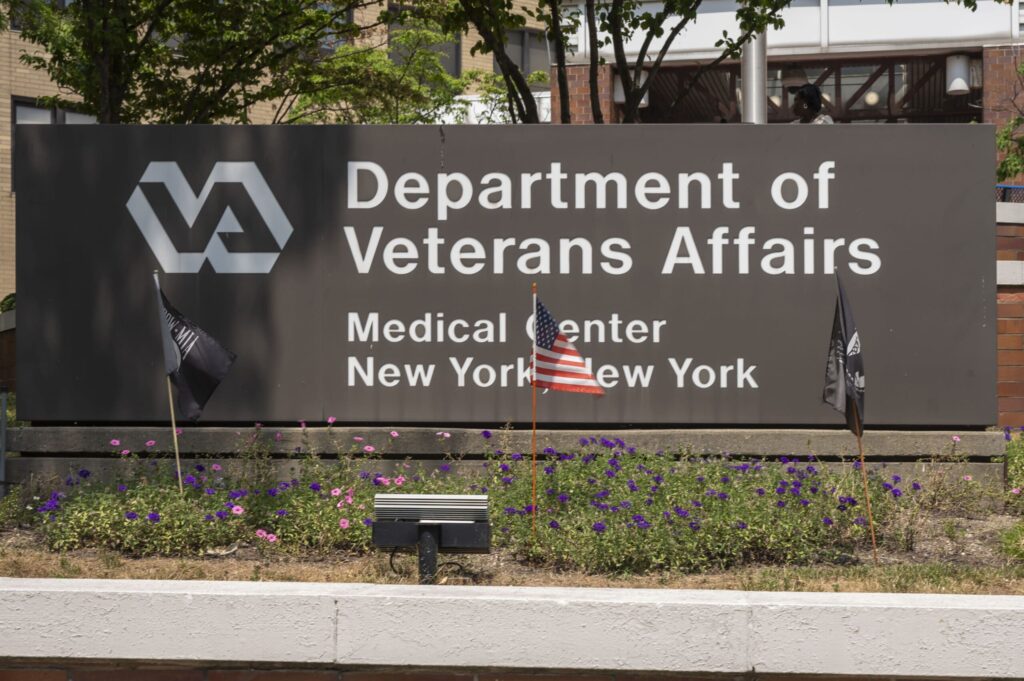
In a significant policy shift, the Department of Veterans Affairs has stopped all abortion care and counseling as of Dec. 22, 2025, denying access even to rape and incest survivors, and those facing serious health risks.
“It is probably the most stringent abortion ban in the federal government, where they not only ban abortion and counseling but also in cases of rape and incest,” said Lindsay Church, executive director of Minority Veterans of America.
The ban was initially proposed in August 2025. The VA proceeded without waiting for standard regulatory processes, issuing an internal memo for immediate effect before formal finalization.
Katie O’Connor, senior director of federal abortion policy at the National Women’s Law Center, mentioned that the U.S. Department of Justice issued a memorandum opinion signed by Deputy Assistant Attorney General Joshua Craddock, preempting the rule and stating abortion was not allowed. Soon after, the Department of Veteran Affairs announced compliance with the opinion, reinstating the full exclusion on abortions and counseling. Notably, the announcement clarifies that care for life-threatening circumstances, such as ectopic pregnancies or miscarriages, remains allowed.
“The lack of process from this administration creates unnecessary confusion,” O’Connor noted. “It appears designed to temper backlash, leaving people scrambling to understand the changes.”
This directive applies across all VA health facilities in the U.S., including states where abortion is legal. It prevents providers from discussing abortion as an option, denying patients full and medically relevant information even in complex pregnancies.
Heather King, an Air Force veteran, shared her experience from 2007, highlighting the challenges women face in military culture. At the time, abortion access was restricted at military facilities. King had to travel to find abortion services after her leave request was initially denied by her Catholic flight chief.

Eventually, King obtained an abortion while on leave to visit her child in Tennessee. She traveled to a Nashville Planned Parenthood clinic to terminate her pregnancy.
“I experienced numerous reproductive health issues, resulting in a hysterectomy in 2014,” King said. “The VA health care system’s inadequate support for women veterans compounds their challenges.”
Church emphasized that the VA has a higher obligation to serve veterans due to the high incidence of sexual assault in the military. “Removing VA abortion access undermines care for those needing it most,” Church stated.
According to Disabled American Veterans, one in three female veterans in the VA health care system reports sexual assault or harassment.
Church added that military service exposes women to environmental and industrial hazards. An article in Frontiers in Public Health highlights the serious reproductive health issues from such exposures.
“Military-related health risks make pregnancies high-risk. Denying access to necessary care, even with fetal anomalies or life-threatening conditions, leaves veterans without crucial medical options,” Church said.
—
Read More Pennsylvania News