Article Summary –
Environmental advocates are challenging a federal court decision that exempts factory farms from disclosing hazardous emissions, while also expressing concern over a new rule from the Trump administration ending the EPA’s Greenhouse Gas Reporting Program, which reduces federal oversight of such emissions. This regulatory change, according to environmental groups, would significantly limit the ability to gather comprehensive data on greenhouse gas emissions from over 8,000 facilities, including factory farms, which is crucial for crafting effective environmental policies and meeting international reporting standards. Although the Trump administration argues that ending this rule would save businesses $2.4 billion in regulatory costs, advocates highlight that it diminishes transparency and leaves communities near livestock farms vulnerable to undisclosed air pollutants.
By Zamone Perez
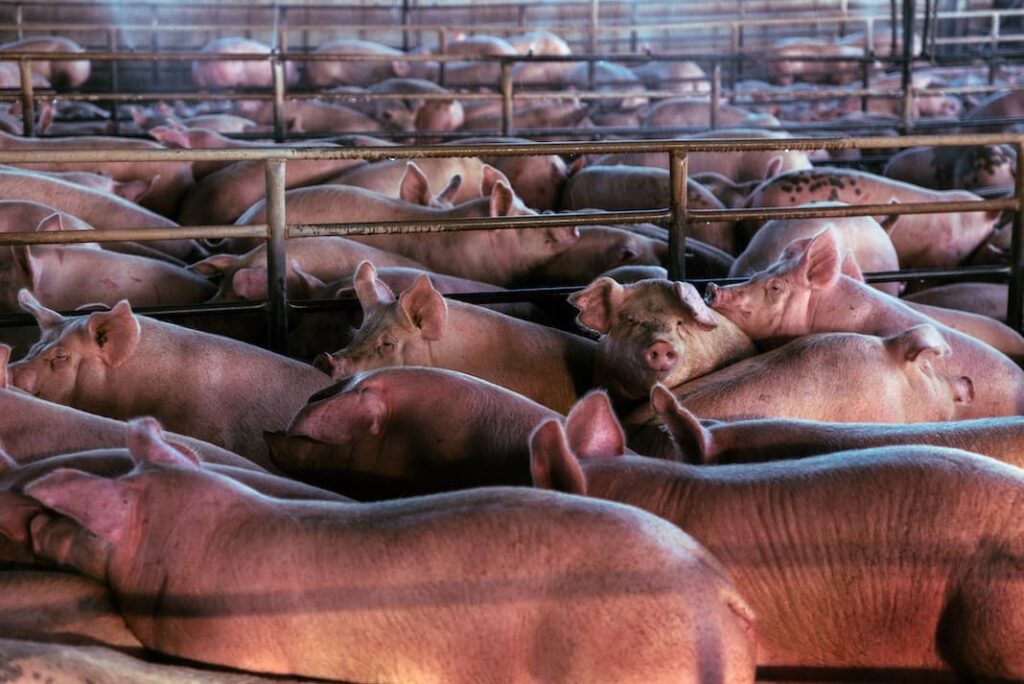
A legal appeal aims to compel factory farms to reveal hazardous emissions, as environmental advocates spotlight a new Trump administration rule that might restrict reporting.
Advocates are challenging a federal court ruling that supports a policy exempting factory farms from disclosing harmful emissions. This comes as the EPA concludes the Greenhouse Gas Reporting Program, decreasing federal oversight of farm emissions.
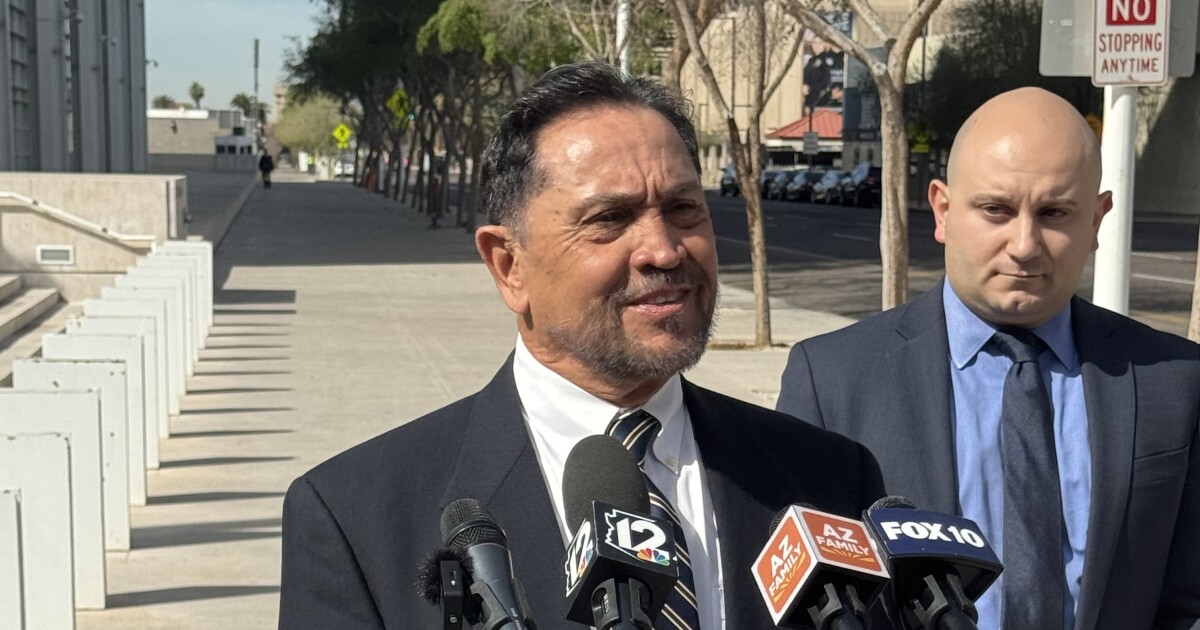
Ryan Maher, a staff attorney at the Center for Biological Diversity, noted that while some farms are already exempt, ending the program further limits emissions reporting.
“EPA’s move essentially removes industry’s reporting duties,” Maher explained. “State-level reporting will continue, but this program was key to understanding greenhouse gas emissions, and EPA is largely eliminating it.”
The Trump administration claims ending this rule will save businesses about $2.4 billion in regulatory costs, maintaining compliance with the Clean Air Act.
Over 8,000 facilities, including factory farms, were mandated to report emissions. Environmental groups have raised concerns that removing the rule limits information about factory farms. Maher highlighted that it provided a comprehensive view of pollution across major farms, aiding policy development.
“It offers a broad overview of greenhouse gas conditions in the U.S.,” Maher stressed. “EPA used it for national pollution insights and to meet international reporting obligations.”
The original exemption for ammonia and hydrogen sulfide reporting was enacted in 2019 during Trump’s first term. Advocates argue this leaves families near livestock farms uninformed about air pollutants.
This story was originally published by Public News Service.
—
Read More Pennsylvania News