The project brings scattered sites into view while underscoring the need for clear distinctions in debates about nuclear power and climate change.
An abandoned mine and a tank of radioactive waste may be separated by hundreds of miles. Both can belong to the same history: the material demands of America’s nuclear weapons program and the environmental responsibilities it left behind.
A new map at NuclearImpacts.org aims to connect those places. In an October 22 announcement, its creators say the project documents nearly 4,000 weapons-related sites across all 50 states and beyond, drawing together public records, reporting and community accounts.
The project’s scope is specific. According to the release, it covers sites connected to nuclear weapons and does not attempt to inventory the many additional sites associated with nuclear energy production.
That distinction matters as communities consider nuclear power’s potential role in addressing climate change. A weapons map can illuminate a major environmental legacy without serving as a comprehensive assessment of civilian electricity generation.
The environmental story begins before a weapon exists
The impacts of the weapons enterprise begin with obtaining and processing its raw materials.
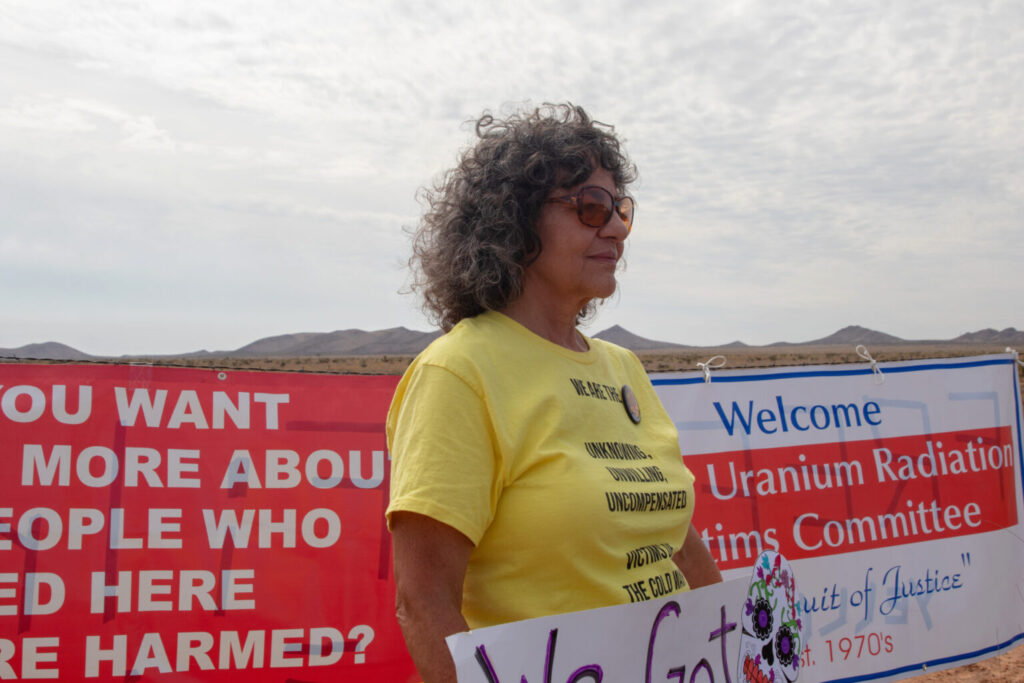
On and near the Navajo Nation, the EPA identifies more than 500 abandoned uranium mines. Its account describes a legacy that includes contaminated homes and water sources. Mines closed decades ago can still require assessment and cleanup.
The example also calls for precision. Uranium has served both weapons and civilian energy programs, and a national historical inventory should be read alongside the records for each location. Understanding this history requires diving into questions concerning what a facility did, what materials remain and how people or ecosystems could encounter them.
Explosive nuclear weapons testing spread contamination in a different way. The National Cancer Institute describes government efforts to reconstruct how fallout travelled thousands of miles, with radioactive iodine moving through pastures and into milk. Such pathways show why an environmental footprint cannot always be contained within a facility’s boundary.
Historical fallout should not be confused with a measurement of present conditions. Different radioactive materials decay at different rates, and current hazards require current, site-specific evidence.
Production ended. Cleanup continues.
Hanford in Washington illustrates the scale of the cleanup required after weapons material production stops. The Energy Department says that 56 million gallons of radioactive and chemical waste were stored in 177 large tanks when production ended.
In a September 2026 update, DOE described preparations to retrieve waste from another aging tank and transfer it to a newer tank with an additional steel liner. It reported that about 3.5 million gallons had been removed from 24 single-shell tanks. Those retrieval figures describe movement out of older tanks, rather than completion of all treatment and disposal.
Cleanup is active work with measurable progress, technical challenges and long commitments. A March 2026 GAO assessment found continuing weaknesses in DOE cleanup cost and schedule information. The findings reinforce the need to evaluate progress against clear, accessible records.
The environmental burden is also being renewed. In a 2024 review of NNSA’s waste planning, GAO found that the agency’s strategy did not comprehensively account for anticipated waste from future activities, including plutonium pit production. That finding connects the legacy cleanup debate with decisions about new production capacity.
Separating weapons policy from energy choices
Civilian nuclear power requires its own evaluation. The Energy Information Administration explains that nuclear reactors do not emit carbon dioxide while operating, while fuel production and construction require energy inputs. It also identifies radioactive waste as a major environmental concern.
There is an ongoing, robust public debate about civilian nuclear energy projects. The Nuclear Regulatory Commission, which is primarily responsible for oversight of these programs, describes public meetings and comment opportunities during environmental reviews. Those processes provide a basis for communities to scrutinize proposals and raise local concerns.
Weapons activities have a documented history of secrecy: DOE’s account of its 1993 openness initiative describes disclosures about previously secret tests and production materials. Still, a simple division between an entirely hidden weapons complex and a fully transparent energy industry would overlook public weapons records and the continuing need for scrutiny in civilian regulation.
Communities need evidence about each proposal’s emissions, water use, waste, costs and oversight. The map contributes to that conversation by organizing the weapons legacy. Its enduring value will depend on helping readers move from a point on a screen to reliable information about the land, water and responsibilities attached to it.