The conflict involving the United States, Israel, and Iran may be unfolding thousands of miles away, but its impact is already being felt here in Virginia — especially when it comes to the cost of everyday life.
The reason is simple: global oil markets depend heavily on one critical shipping route — the Strait of Hormuz.
And for Virginia families, that translates into three real-world concerns:
- Gas prices are likely to stay high until oil can move freely again
- The longer the disruption lasts, the more Virginians will pay for fuel and goods
- Prolonged price spikes could begin to impact jobs and the broader state economy
The Strait of Hormuz — Why It Matters to Virginia
For energy markets, everything comes down to whether oil can safely pass through the Strait of Hormuz.
This narrow passage carries about 20% of the world’s oil supply. When it’s disrupted, prices rise globally — and Virginia drivers feel it almost immediately at the pump.
U.S. Energy Secretary Chris Wright says it could take weeks before the U.S. Navy can safely escort tankers through the region. Even then, there are no guarantees prices will fall quickly.
Experts say that even if the conflict stopped today, it could take one to three months to fully reopen the route and clear the backlog of ships waiting to pass.
Why This Means Higher Costs in Virginia
If the Strait remains blocked or unstable, oil prices could continue to climb — with some analysts warning prices could reach $150 per barrel.
For Virginians, that shows up fast:
- Gas prices are already rising across the state, putting pressure on daily commutes
- Diesel fuel — critical for trucking — is approaching $5 per gallon
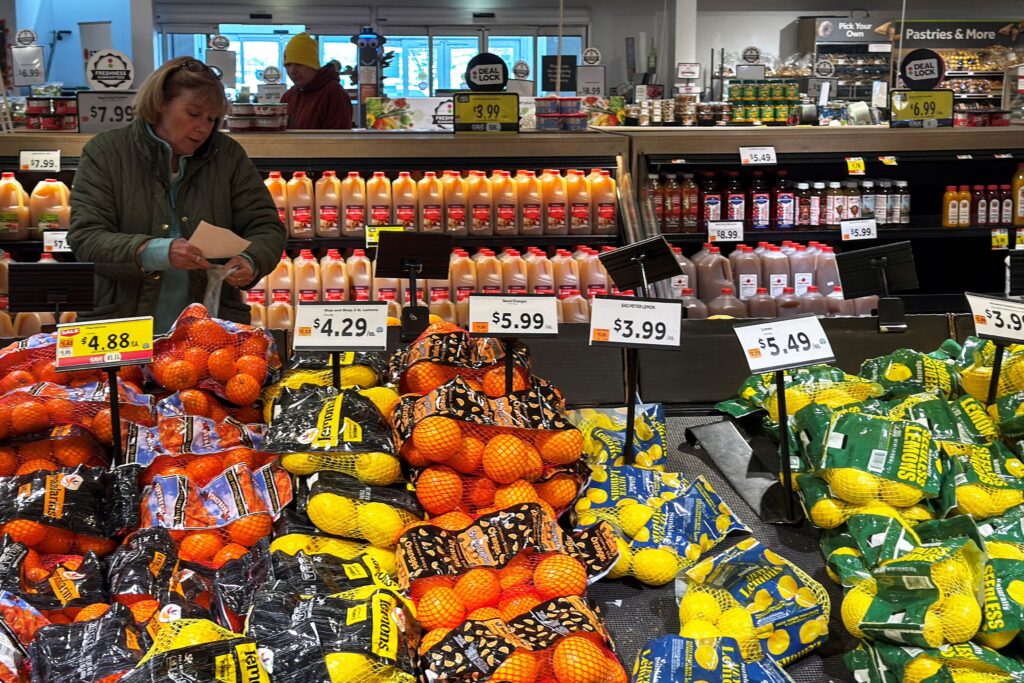
- Higher fuel costs mean higher prices for groceries, deliveries, and travel
Virginia’s economy is especially sensitive to these increases. The state relies heavily on trucking, shipping through the Port of Virginia, and long commuter routes in regions like Northern Virginia, Hampton Roads, and Richmond.
As diesel prices rise, companies are already adding fuel surcharges. Major carriers like FedEx have begun passing those costs along — and businesses are expected to do the same.
That means Virginians could soon see higher prices on essentials like:
- Milk, produce, and seafood
- Online deliveries and retail goods
- Airline tickets and travel
The Bigger Economic Risk for Virginia
The longer energy prices stay high, the greater the risk to the broader economy — including here in Virginia.
Historically, sharp increases in oil prices have often been followed by economic slowdowns. Higher fuel costs can:
- Increase operating costs for Virginia businesses
- Reduce consumer spending as households adjust budgets
- Put pressure on key industries like transportation, logistics, and tourism
Right now, Virginia businesses are already dealing with rising costs tied to tariffs and supply chain disruptions. A sustained energy shock could make those challenges worse.
Economists are beginning to raise concerns. Analysts at Goldman Sachs recently increased their estimate of a recession this year to 25 percent, while also forecasting higher inflation and unemployment.
What Happens Next
For Virginia families, the outlook depends on one key question: when — and if — oil can start flowing normally through the Strait of Hormuz again.
Until that happens, drivers across the state should expect continued pressure at the pump — and rising costs that extend far beyond it.
In short, a conflict half a world away is quickly becoming a kitchen-table issue here in Virginia.