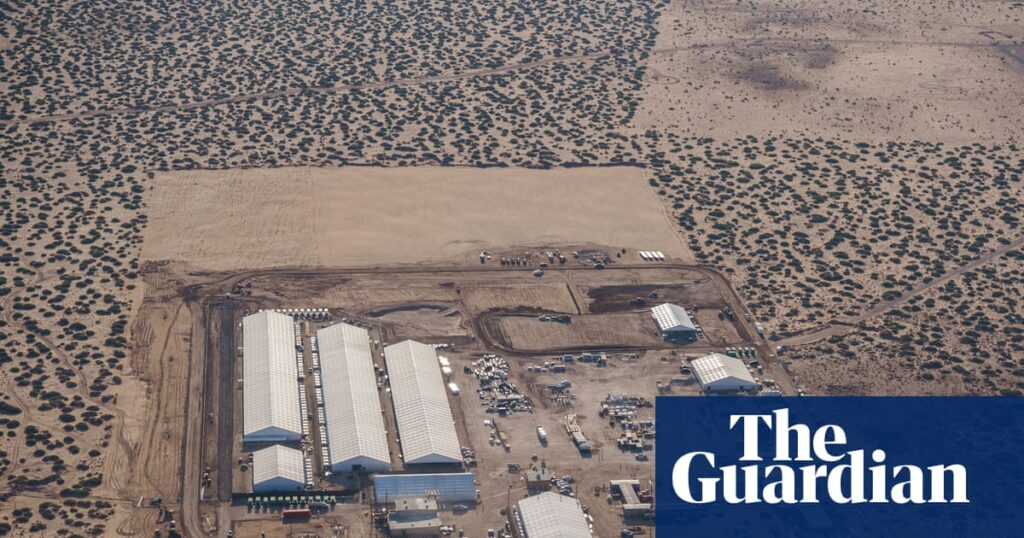
Serious allegations have emerged concerning the treatment of detainees at an immigration detention camp within Fort Bliss, Texas. A coalition of civil rights organizations has raised grave concerns about abuses including physical beatings, sexual misconduct, and unauthorized deportations, targeting non-Mexican nationals, without due legal processes.
The coalition detailed their concerns in a 19-page letter sent to senior officials of the Immigration and Customs Enforcement (ICE) and Fort Bliss commanders. It outlined violations of policies and constitutional rights by the facility’s officers.
The advocates, among them the American Civil Liberties Union and Human Rights Watch, have called for the immediate shutdown of the detention site, where over 2,700 people reside in tent-based accommodations. They emphasize, “In light of these abuses, we urge the end to detention of immigrants at Fort Bliss.”
ICE and DHS officials have dismissed these allegations. DHS Assistant Secretary, Tricia McLaughlin, declared, “Any claim that there are ‘inhumane’ conditions at ICE detention centers are categorically false. No detainees are being beaten or abused.”
Accusations extend to forced deportations at the US-Mexico border, with reports of detainees shackled and driven to remote crossing points. Specific cases mentioned non-Mexican nationals, like asylum seekers from Cuba and Guatemala, allegedly coerced into crossing the border under threat of imprisonment.
A detainee referred to as “Eduardo” claims masked agents demanded he jump the border wall or face prison time elsewhere. “Eduardo’s” testimony highlights the severity of the alleged threats used to compel deportations.
The Washington Post, first reporting the letter, noted verification of some claims but acknowledged limitations in confirming details due to restricted detainee communication. Furthermore, a lack of media access adds complexity to independent appraisal of the accusations.
Detainees’ testimonies portray a troubling picture of daily life within the camp. They accuse guards of using excessive force and sexual violence for discipline. A Cuban national known as “Isaac” recounted a particularly violent incident following his refusal to sign a deportation form, leading to physical injury and severe humiliation.
Sanitation issues within the camp compound the accusations, with reports of poor plumbing causing unsanitary flooding. Detainees report using personal clothing to clean waste due to insufficient resources.
Claims of medical neglect are voiced, noting instances where detainees with severe health conditions received inadequate care. Food rations, allegedly small and occasionally spoiled, contributed to reports of rapid health deterioration among those detained.
While McLaughlin insists detainees receive comprehensive care and access to necessary amenities, dissenters like ACLU’s Eunice Hyunhye Cho emphasize the lack of oversight and isolation as factors leading to the alleged rights infringements. “Placing thousands of people in tent camps in the middle of the desert, in a military base, without adequate staffing was a recipe for humanitarian disaster,” Cho stated.
Calls for transparency continue to surface, with local leaders and advocacy groups pressing DHS for accountability and improved conditions. Texas Congresswoman Veronica Escobar has described the camp as a “public health hazard,” demanding open dialogue and change.